Research Suggests Hidden EEG Signals Could Flag Delirium Risk in Seniors Undergoing Surgery



The Hidden Cost of Delirium in Older Adults
Delirium—a sudden change in attention, awareness, and cognition—is a common and worrying complication following major surgery in adults over 65. Not only can it lengthen hospital stays and delay recovery, but it’s also linked to long-term cognitive problems and a higher risk of dementia. Clinicians have been searching for reliable ways to predict which patients are at greatest risk.
Can EEGs Reveal Who’s Vulnerable?
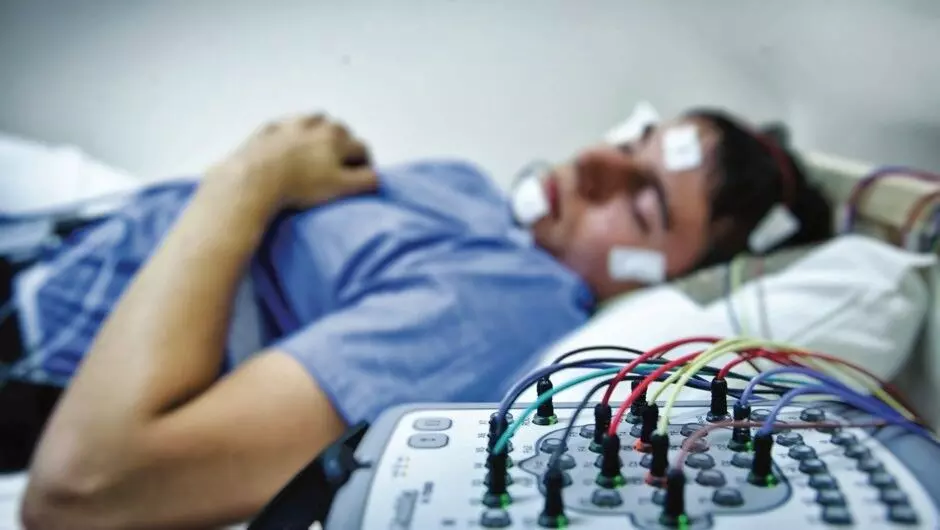
In a recent multicenter study published in Anesthesiology, researchers explored whether a simple, non-invasive brain test—an electroencephalogram (EEG)—could provide early warning signs of vulnerability to delirium. The team recruited 330 older adults scheduled for major elective surgery, along with 57 healthy controls. EEGs were recorded before surgery and again three months later.
What Did They Discover?
The key finding: Patients who went on to develop postoperative delirium (POD) showed slightly reduced “beta” band connectivity in their brain networks even before surgery began. This subtle difference was most pronounced in central and parietal brain regions and could only be detected with advanced EEG analysis.
Importantly, these EEG patterns were not obvious through standard clinical assessment. The people who developed delirium weren’t markedly different from their peers in terms of age, memory tests, or overall health—making the EEG finding especially valuable as a potential early marker.
Do Brain Changes Last After Delirium?
Three months after surgery, the study found no persistent EEG abnormalities related to either surgery or delirium. This suggests that, at least in relatively healthy older adults, the brain’s electrical networks recover or compensate after a delirium episode.
What Does This Mean for Patients and Clinicians?
This study highlights the potential of advanced EEG analysis as a tool for identifying hidden vulnerabilities before surgery. While it doesn’t mean everyone should get a brain scan before an operation, it opens the door for future research—and perhaps new strategies to protect the most at-risk patients.
5 Key Takeaways
Pre-surgery EEGs revealed subtle brain network differences in patients who later developed postoperative delirium.
Reduced beta band connectivity in the central and parietal regions was the only significant preoperative EEG marker.
No long-term EEG changes were observed three months after surgery or delirium episodes.
Standard clinical measures alone may not be sufficient to identify those at risk—EEG could add value.
The brain appears resilient: In healthy older adults, delirium does not cause lasting disruptions in brain network patterns.
Citation:
Van der A, J., Lodema, Y., Ten Bosch, L., Van Heesch, A.B., Van Montfort, S.J.T., Kant, I.M.J., Spies, C., Van Dellen, E., & Slooter, A.J.C. (2026). Quantitative Electroencephalogram Changes before and after Postoperative Delirium: A Prospective, Multicenter Cohort Study. Anesthesiology, 144(6), 1380–1390. https://doi.org/10.1097/ALN.0000000000006026