
SI-449 Shows Promise as a New postoperative Anti-Adhesion Barrier: Study
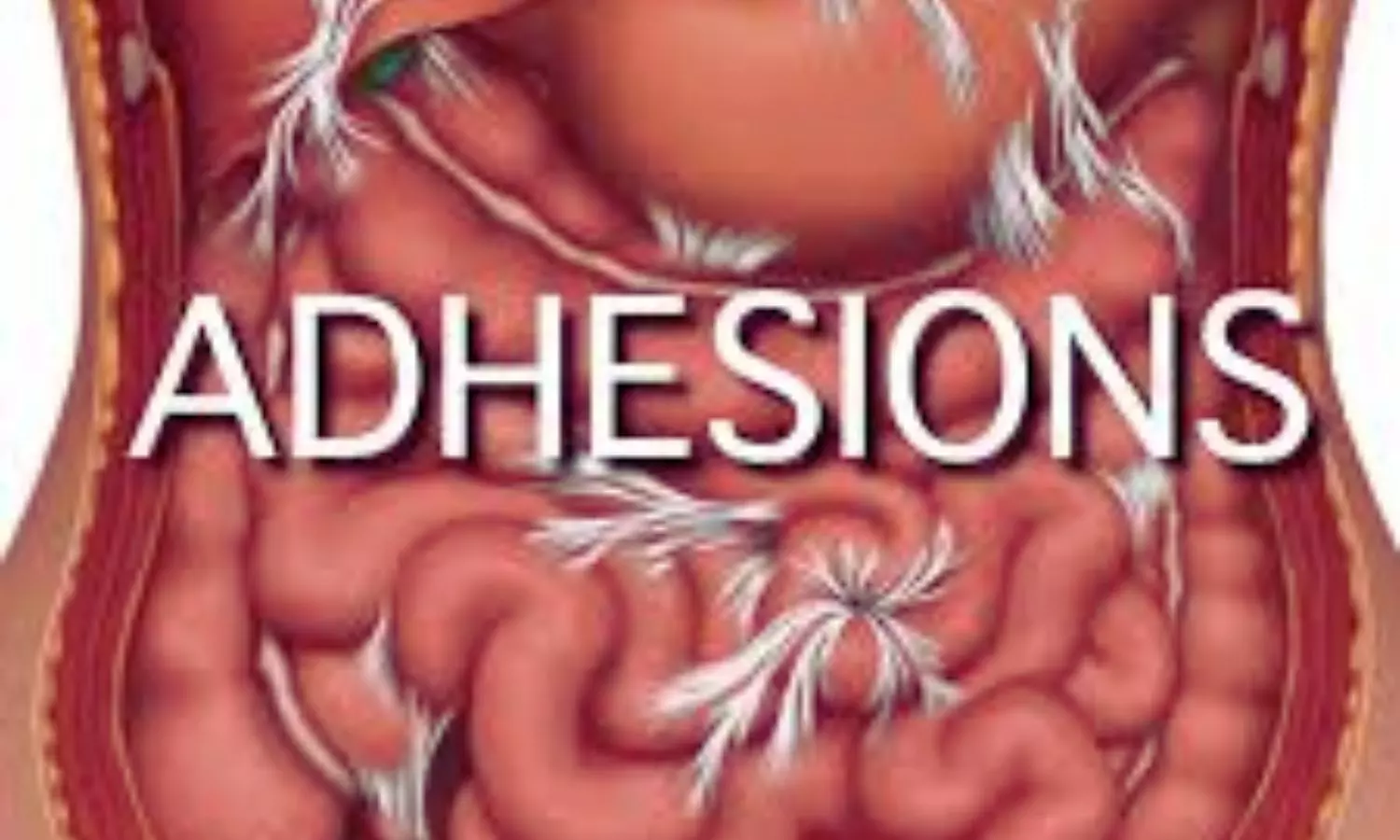


A new study published in the Journal of American Medical Association showed that powdered SI-449 decreased postoperative adhesion development while demonstrating good operability with no notable safety issues.
Following abdominal and pelvic surgery, adhesions frequently result in pelvic discomfort, intestinal blockage, and infertility. The need for innovative solutions is highlighted by the fact that current anti-adhesion materials are frequently challenging to apply on uneven organ surfaces; SI-449, a cross-linked, powder-formed chondroitin sulfate (CS), may be able to overcome these constraints. Thus, to assess the anti-adhesion impact of the SI-449 adhesion barrier system (cs barrier) in patients having open rectal resection for rectal cancer, this study was carried out.
From September 2020 to June 2023, 53 hospitals in Japan participated in this multicenter, prospective, randomized, open, and blinded–end point (PROBE) method pivotal clinical study. Both the effectiveness assessors on the central review board and the trial participants were blinded. Individuals with clinical stage I through IV rectal cancer who were 20 years of age or older, had open rectal resection, and were scheduled for follow-up ileostomy closure were eligible for inclusion.
The experimental group had 2 to 3 g of SI-449 administered to the abdominal or pelvic cavity just prior to closure, whereas the control group underwent no further operation. The incidence of adhesions under the incision was the main outcome. The number, severity, and extent of adhesions; the quantity and kind of adherent organs; and the number of adhesions per organ were secondary end goals. Additionally, operability and safety were assessed.
131 of the 155 screened patients were randomized after meeting the inclusion criteria. Of them, 118 received a second operation (modified intention-to-treat population; control group: n = 60; experimental group: n = 58), and 128 experienced the intervention (safety analysis population; control group: n = 64; experimental group: n = 64).
Of the 118 patients, 34 (29%) were female, and the overall mean (SD) patient age was 68.2 (10.3) years. The experimental group had a considerably lower adhesion incidence (26 of 58 [45%]) than the control group (56 of 60 [93%]) (P < .001). Additionally, the experimental group's adhesion severity and extent were much lower.
Operability was satisfactory, and no safety issues were found. Overall, the SI-449 adhesion barrier system demonstrated good operability and decreased the frequency, severity, and extent of adhesions underneath the midline incision wound with no safety issues, according to the results of this randomized clinical study.
Source:
Kanemitsu, Y., Hashizume, E., Suto, T., Yawata, K., Inaoka, K., Hiramatsu, K., Komori, K., Ikeda, M., Ishido, N., & Watanabe, M. (2026). Cross-linked chondroitin sulfate adhesion barrier system in open rectal resection: A randomized clinical trial: A randomized clinical trial. JAMA Surgery. https://doi.org/10.1001/jamasurg.2026.3416

