Sugammadex vs. Neostigmine: Which Reversal Agent Elevates Elderly Recovery After Lung Surgery?


The Challenge of Safe Recovery in Elderly Thoracic Patients
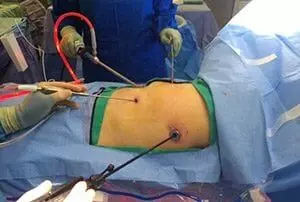
As the elderly population grows, so does the prevalence of lung surgeries, particularly video-assisted thoracoscopic surgery (VATS) for pulmonary nodules. Ensuring a smooth, safe, and rapid recovery is critical in this age group. Traditionally, neostigmine has been the go-to agent for reversing neuromuscular blockade after surgery, but its incomplete reversal and risk of pulmonary complications have prompted a search for better alternatives. Enter sugammadex, a newer agent with a reputation for faster, more reliable recovery.
Study Design: Head-to-Head in the Operating Room
Recentlu published prospective, randomized, double-blind trial among patients aged 65 and above undergoing VATS lobectomy. Participants were assigned either sugammadex or neostigmine (with atropine) for reversal of muscle relaxation. The primary outcome was the quality of recovery on postoperative day 1, measured by the validated QoR-15 questionnaire. Secondary outcomes included time to extubation, time in the recovery unit (PACU), rates of hypoxemia, postoperative residual neuromuscular block (PRNB), and postoperative pulmonary complications (PPCs).
Key Results: Sugammadex Shines in Early Recovery
• Improved Recovery Scores: On the first day after surgery, patients who received sugammadex had significantly higher QoR-15 scores (median 125 vs. 122), indicating better overall recovery, especially in ease of breathing, eating, restfulness, and sleep quality.
• Faster Turnaround: Sugammadex recipients were extubated more quickly (median 18 vs. 27.5 minutes) and spent less time in the PACU (52 vs. 62 minutes).
• Lower Complication Rates: Fewer patients in the sugammadex group experienced hypoxemia (28% vs. 53%) and PRNB (5% vs. 24%). There was also a trend toward fewer pulmonary complications, though this did not reach statistical significance.
• No Increase in Nausea/Vomiting: Rates of postoperative nausea and vomiting were similar in both groups, dispelling concerns about higher PONV with sugammadex.
Discussion: Clinical Takeaways and Future Directions
This study highlights sugammadex as a superior option for elderly patients undergoing VATS lobectomy, offering tangible benefits in early recovery and respiratory safety. The improved outcomes are likely tied to its rapid and complete reversal of muscle relaxation, reducing the risk of respiratory complications and facilitating faster return to normal functions. While the study did not find significant differences in long-term pulmonary complications or readmissions, the early-phase advantages make sugammadex an appealing choice for enhanced recovery protocols in thoracic anesthesia.
Limitations include the single-center setting and modest sample size, suggesting that larger, multicenter trials are needed for definitive conclusions on long-term outcomes.
Key Takeaways:
• Sugammadex offers faster, higher-quality recovery than neostigmine after VATS lobectomy in elderly patients.
• It reduces early postoperative risks like hypoxemia and residual muscle weakness.
• No increase in postoperative nausea and vomiting was observed with sugammadex.
• Ideal for enhanced recovery protocols; more research is needed for long-term impact.
Citation:
Yang Y, Wang Z, He X, Shen X, Jia W, Sheng X, Yao X, Jiao H. Sugammadex or neostigmine for reversal of neuromuscular block on the quality of postoperative recovery in elderly adults undergoing video‑assisted thoracoscopic lobectomy: a randomised controlled trial. BMC Anesthesiology. 2025;25:250. https://doi.org/10.1186/s12871-025-03128-5