Surgical Remission May Improve Cardiometabolic Risk in Cushing Syndrome: Study
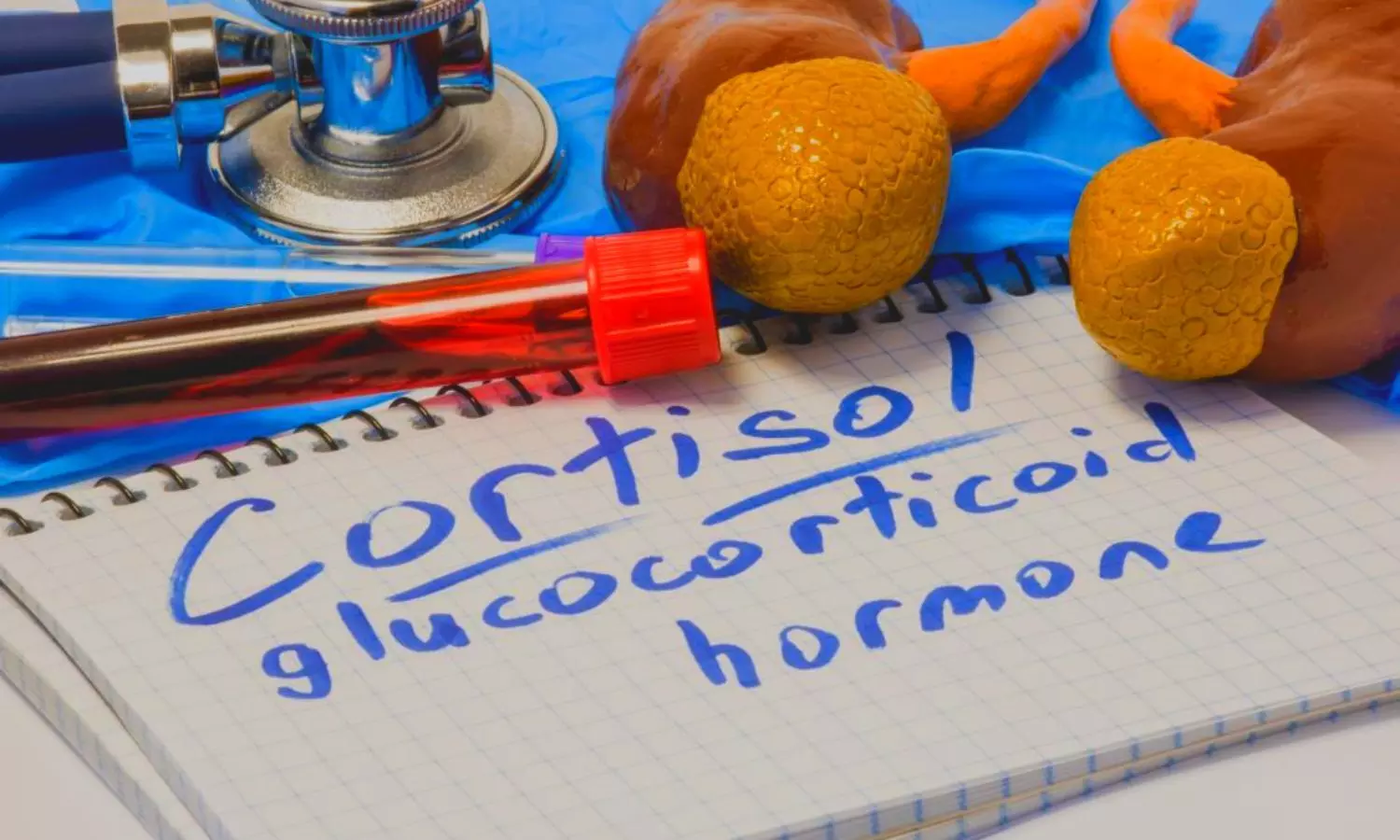


A prospective cohort study of 357 patients with endogenous Cushing syndrome (CS) or mild autonomous cortisol secretion (MACS) evaluated cardiometabolic outcomes following surgical remission. Most participants had significant baseline comorbidities, including hypertension (336), obesity (241), and diabetes (122). The study provides important prospective evidence that successful surgical correction of cortisol excess may improve cardiometabolic health in these high-risk patients. The study was published in The Journal of Clinical Endocrinology & Metabolism by Shireen R. and colleagues.
In order to investigate alterations in the severity of comorbid disease and identify the independent predictors, researchers conducted an extensive prospective cohort study lasting for six years from 2019 to 2025. This study involved 357 adults who had successfully achieved surgical remission with either overt CS or MACS. In terms of outcomes, it included investigating alterations in the severity of the clinical course of hypertension, DM, hyperlipidemia, and obesity at baseline, 3 months after and median 12 months after remission. In order to conduct the analysis, multivariable models were used.
Key findings:
- Among the 357 patients evaluated (median age 53 years [interquartile range 42–62]; 81% women), baseline diagnoses included 49% MACS, 36% pituitary CS, 10% adrenal CS, and 5% ectopic CS.
- Prior to surgical intervention, 336 patients (94%) had hypertension, 241 patients (68%) had obesity, and 122 patients (35%) suffered from diabetes mellitus.
- At a median follow-up of 12 months postsurgery, comorbidity resolution among CS patients reached 70% (90/128) for hypertension, 90% (46/51) for diabetes mellitus, and 79% (77/97) for obesity.
- Patients with MACS achieved comorbidity improvements of 51% (60/117) for hypertension, 37% (13/35) for diabetes mellitus, and 20% (14/71) for obesity.
- Higher baseline biochemical severity scores independently predicted postremission improvement in hypertension (odds ratio [OR] 1.3, 95% confidence interval [CI] 1.1–1.5), diabetes mellitus (OR 2.5, 95% CI 1.7–4.1), and obesity (OR 1.5, 95% CI 1.2–1.8).
Therefore, it can be concluded that successful surgical treatment of hypercortisolism results in substantial cardiometabolic multi-organ benefits in patients with Cushing syndrome and subclinical autonomous cortisol secretion. The study proves that the higher baseline severity of biochemical manifestations is strongly correlated with more pronounced recovery of comorbidities after surgery, which highlights the great impact of surgery for these patients.
Reference:
Shireen R Chacko, Shubhangi Sharma Sharma, Sarina Ahmadian, Jasmine Saini, Vanessa Fell, Anina F Peersen, Elizabeth J Atkinson, Lucinda Gruber, Jamie J Van Gompel, Vinaya Simha, William F Young, Irina Bancos, Cardiometabolic Outcomes after Surgical Remission of Endogenous Hypercortisolism: A Prospective Cohort Study, The Journal of Clinical Endocrinology & Metabolism, Volume 111, Issue 6, June 2026, Pages 1613–1627, https://doi.org/10.1210/clinem/dgaf693