Trans sphenoidal Surgery Yields 31.3 Percent Remission in Acromegaly, Suggests Study
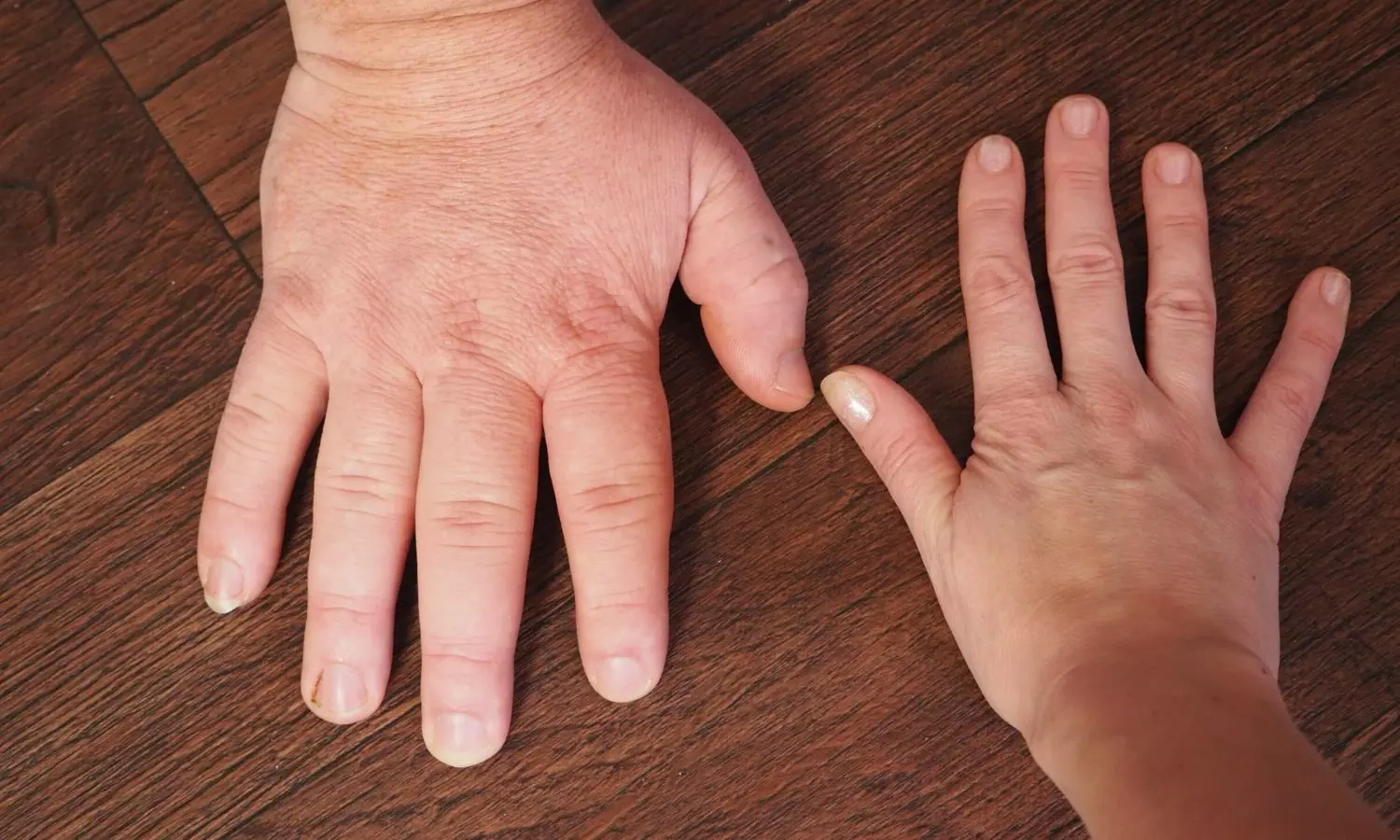


A recent retrospective study published in the Indian Journal of Endocrinology and Metabolism in August 2026 revealed that transsphenoidal surgery achieved long-term remission in 31.3% of acromegaly cases. Crucially, preoperative tumor size and nadir growth hormone levels were identified as the sole independent predictors of surgical success and adjuvant therapy requirements.
Acromegaly, caused by growth hormone (GH)-secreting pituitary adenomas and elevated insulin-like growth factor 1 (IGF-1), is primarily managed via transsphenoidal surgery (TSS); however, remission rates vary widely—historically 56–100% in microadenomas versus 27.8–61% in macroadenomas—leaving a clinical gap regarding outcome predictors in real-world cohorts. To address this gap, Dr. Mintu Mani Baruah, Dr. Liza Das, Dr. Pinaki Dutta, and colleagues from the Departments of Endocrinology and Neurosurgery at the Post Graduate Institute of Medical Education and Research (PGIMER) in Chandigarh, India, evaluated baseline clinical, biochemical, and radiological predictors of long-term remission and adjuvant therapy requirements using 2014 consensus criteria.
Therefore, the retrospective single-center study evaluated 169 acromegaly patients who underwent transsphenoidal surgery at PGIMER between 2010 and 2022, with a mean follow-up of 5.2 years. Using multivariate logistic regression, researchers assessed primary endpoints of biochemical and radiological remission along with secondary requirements for adjuvant therapy.
Key Clinical Findings of the Study Includes:
- Long-Term Remission Rates: Investigators observed that overall remission was achieved in 31.3% (53/169) of patients, with comparable rates between microscopic (39.7%) and endoscopic (26.4%) techniques (P = 0.07).
- Predictors of Endocrine Remission: Analysis revealed that baseline maximum tumor diameter (odds ratio [OR] = 1.058, P = 0.003) and preoperative nadir GH during OGTT (OR = 1.026, P = 0.02) were the only independent determinants of surgical remission.
- Requirement for Adjuvant Therapy: Researchers identified that preoperative tumor size (OR = 0.959, P = 0.01) and nadir GH (OR = 0.974, P = 0.02) independently predicted the postoperative need for adjuvant modalities, required in 46.2% (78/169) of patients.
- Baseline Pituitary Deficits: Authors noted initial anterior pituitary dysfunction in 77.0% of participants, with secondary hypogonadism being most frequent (45.6%), followed by hypocortisolism (36.7%) and hypothyroidism (15.4%).
- Tumor Load and Presentation: Data demonstrated a cohort dominated by macroadenomas (94.0%, including 15.4% giant adenomas ≥40 mm) presenting mainly with headache (43.8%) and visual blurring (18.3%) after a mean diagnostic lag of 4.9 ± 3.9 years.
The results suggest that long-term remission in acromegaly is achieved in 31.3% of patients in real-world tertiary care settings, with baseline tumor size and nadir GH levels serving as critical determinants of surgical cure and adjuvant treatment necessity. Furthermore, preoperative IGF-1 levels do not independently predict post-TSS outcomes, highlighting the predominant prognostic influence of initial tumor dimension and GH hypersecretion.
Thus, the study concludes clinicians should utilize baseline tumor dimension and OGTT nadir GH levels to risk-stratify surgical candidates, anticipate the need for multimodal adjuvant therapy, and establish realistic treatment expectations in high-volume settings.
While retrospective design, evolving clinical criteria, multiple operating surgeons, and unanalyzed immunohistochemical co-expressions represent minor study limitations, future prospective research integrating tissue histopathology with hormonal dynamics may further refine outcome prediction models.
Reference
Baruah MM, Das L, Singh A, Kaur V, Dandapani SS, Chhabra R, Sahoo SK, Rai A, Dutta P. Prevalence and predictors of remission in patients with acromegaly undergoing microscopic or endoscopic transsphenoidal surgery: Long-term outcomes from a tertiary care centre. Indian J Endocr Metab 2026;30:340-5.