
Visceral Fat-to-Muscle Ratio Tied to Inflammatory Ileus After Ileus-Focused Enterolysis: Study
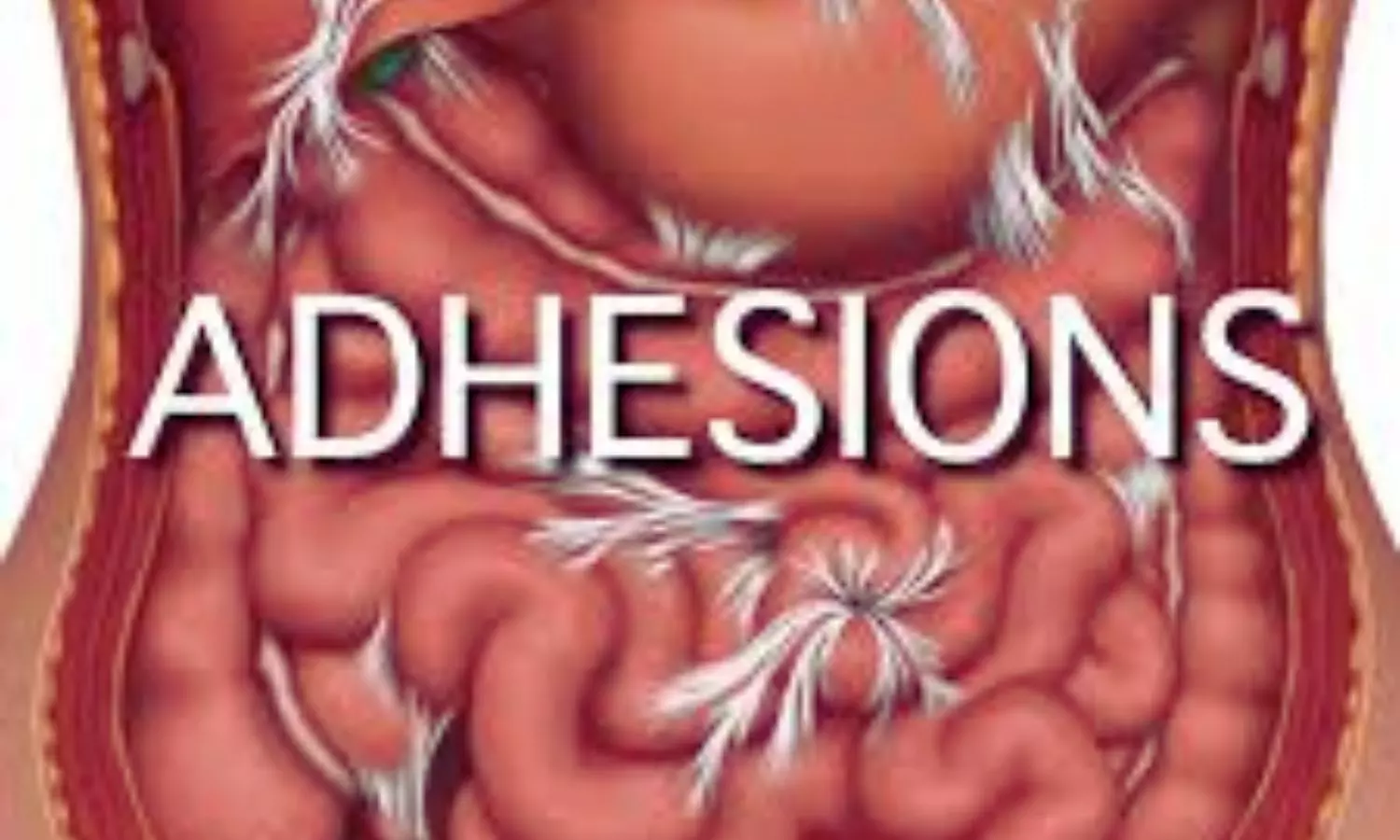


China: Researchers have found in a new study that in patients with sarcopenia and severe abdominal adhesions, the visceral fat-to-muscle ratio was linked to a higher risk of developing inflammatory ileus after ileus-focused enterolysis (IFE).
A multicentre study published in BMC Surgery has brought attention to the predictive value of the visceral fat area to total abdominal muscle area index (VFA/TAMAI) in forecasting postoperative inflammatory ileus (PII) in patients undergoing intestinal fistula excision with extensive adhesions.
Led by Fan Yang and the team from the Department of General Surgery at Jinling Hospital, Nanjing Medical University, the study highlights how increased visceral fat combined with diminished muscle mass can complicate recovery in individuals already burdened by sarcopenia.
PII is a difficult postoperative complication marked by intestinal re-obstruction after a short period of temporary bowel movement recovery. Patients with sarcopenia often have reduced physiological reserve, and when combined with chronic inflammation and complex adhesions, their risk of delayed gastrointestinal recovery increases. The researchers investigated whether the VFA/TAMAI ratio could serve as a practical tool for anticipating this complication.
The retrospective study reviewed 177 patients treated at four tertiary centres between January 2018 and October 2022. All had sarcopenia and underwent surgery for intestinal fistula with severe abdominal adhesions. The participants had a median age of 51 years, and 57.6% were male. PII developed in 16.9% of the cohort, usually appearing around four days after the procedure following a short span of temporary defecation.
Key findings from the study include:
- The median duration of postoperative re-obstruction lasted nearly three weeks, significantly prolonging recovery.
- Higher VFA/TAMAI values were strongly linked with the development of PII in adjusted logistic regression analysis.
- Patients with greater visceral fat relative to muscle mass showed a 1.51-fold higher risk of PII.
- The association was statistically significant, underscoring the potential of VFA/TAMAI as a predictive marker.
According to the authors, the connection between visceral fat, chronic inflammatory activity and impaired gut motility may contribute to the observed outcomes. Excess visceral fat is known to promote systemic inflammation, while sarcopenia weakens overall resilience, together predisposing patients to complications such as ileus.
The researchers also acknowledged several limitations. As a retrospective study, it relied on available clinical records and may not have captured all relevant variables. Although the sample size reflects the rarity of intestinal fistula with severe adhesions, it still limits broad applicability. Additionally, follow-up was restricted to the hospital stay, meaning that late-onset PII cases might have gone undetected.
Despite these constraints, the authors conclude that the VFA/TAMAI ratio shows promise as an indicator for identifying patients at increased risk of PII following IFE. They suggest that future prospective studies with larger populations could help validate its use and potentially guide perioperative decision-making to improve surgical outcomes.
Reference:
Yang, F., Luo, ., Hong, Z. et al. Visceral fat-to-muscle ratio is associated with inflammatory ileus after excision of intestinal fistula with severe abdominal adhesions. BMC Surg 25, 559 (2025). https://doi.org/10.1186/s12893-025-03196-x

Next Story