Glucose Potassium ratio may serve as Diagnostic Biomarker in Testicular Ischaemia,: Study
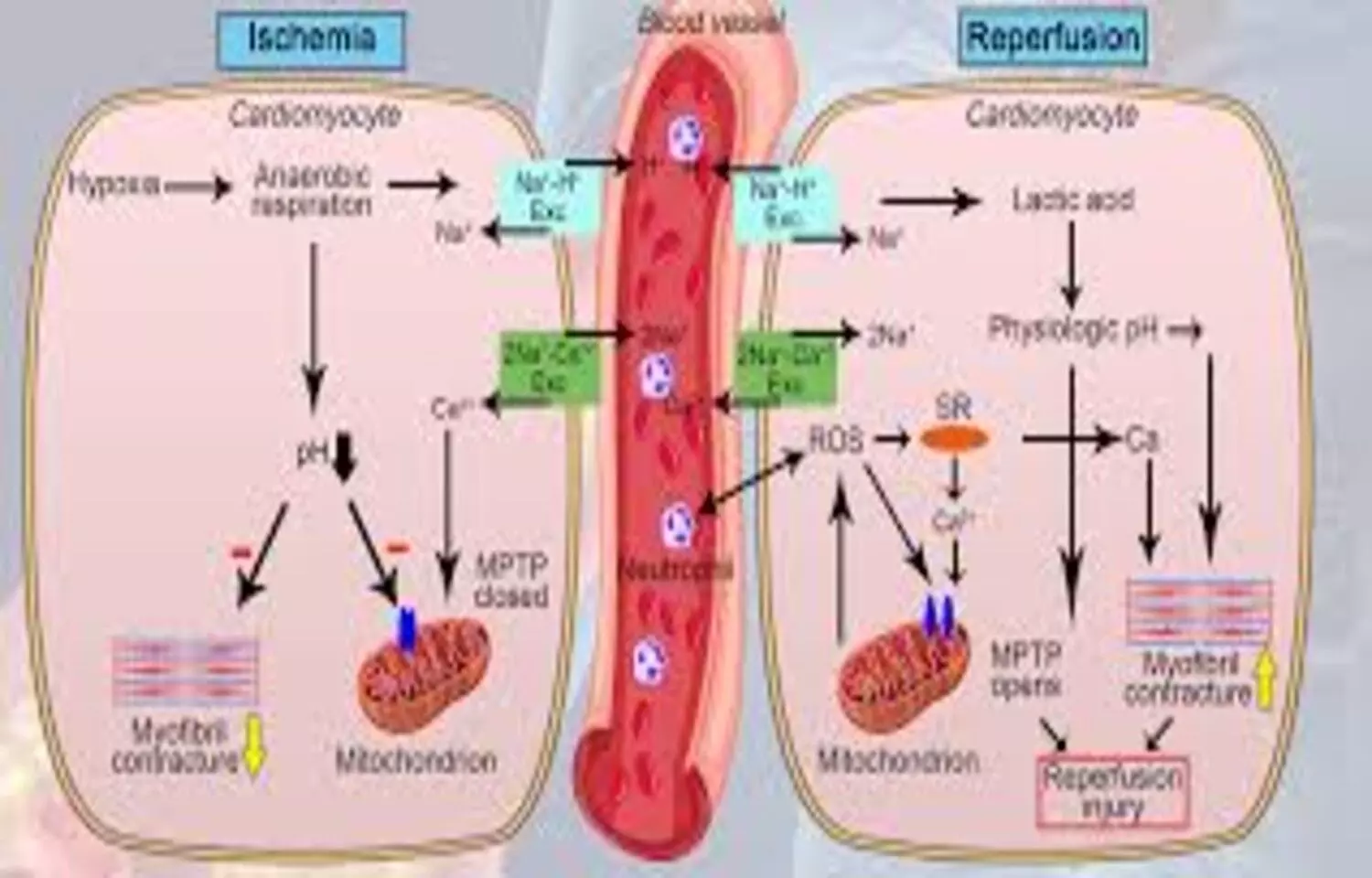


Researchers have found in a new research that Glucose Potassium ratio may serve as a useful biomarker indicating metabolic stress specific to testicular ischaemia, distinct from the inflammatory processes seen in epididymo-orchitis (EO). A combined diagnostic model showed the highest accuracy, suggesting potential value as an adjunct triage tool. However, these findings are preliminary and need validation through larger, prospective, multicentre studies before routine clinical use.
It is challenging to distinguish between testicular torsion (TT) and epididymorchitis (EO) due to their overlapping symptoms. This study evaluated the diagnostic value of the glucose/potassium ratio (GPR) and a combined model for distinguishing between TT, EO, and non-specific acute scrotal pain. This retrospective study included 373 patients, who were divided into three groups: TT (n = 103), EO (n = 120), and non-specific pain controls (n = 150). Glucose Potassium ratio and systemic inflammatory indices were calculated from admission blood samples. A combined model incorporating independent predictors (age, Glucose Potassium ratio, and white blood cell (WBC) count) was constructed using binary logistic regression. Diagnostic performance was assessed using a receiver operating characteristic (ROC) curve and multivariate logistic regression analysis.
The median Glucose Potassium ratio was highest in the TT group (23.6), followed by the EO group (21.0) and the control group (20.4) (p < 0.001). A Glucose Potassium ratio cut-off value of > 21.8 was associated with a 3.52-fold increased risk of testicular torsion (OR: 3.52, 95% CI: 1.97–6.25; p < 0.001). Although the GPR demonstrated the greatest accuracy among the individual markers (AUC: 0.738), the combined model produced superior diagnostic results, with an AUC of 0.839 (sensitivity: 75.6%; specificity: 81.5%; positive predictive value (PPV): 60.9%; negative predictive value (NPV): 89.7%). Multivariate analysis identified the following as independent predictors of testicular torsion: younger age (OR: 0.92); higher WBC count (OR: 1.30); and higher Glucose Potassium ratio levels (OR: 1.14). Glucose Potassium ratio appears to be a biomarker that could reflect specific metabolic stress in testicular ischaemia, which is distinct from the inflammatory response in EO. The combined model demonstrated the highest diagnostic accuracy in our cohort, suggesting its potential usefulness as an adjunctive triage tool. However, these findings are preliminary and require external validation in future prospective, multicentre studies before routine clinical implementation.
Reference:
Aktaş, Y., Tunçekin, A. Glucose/potassium ratio and a novel combined model for the differential diagnosis of testicular torsion: a retrospective study. Basic Clin. Androl. 36, 15 (2026). https://doi.org/10.1186/s12610-026-00313-5
Keywords:
Aktaş, Y., Tunçekin, A, sticular torsion, Epididymorchitis, Glucose/potassium ratio, Ischaemia-reperfusion injury, Biomarkers