
One Shot Enough: Major Trial Finds Single HPV Dose Matches Two-Dose Protection: NEJM
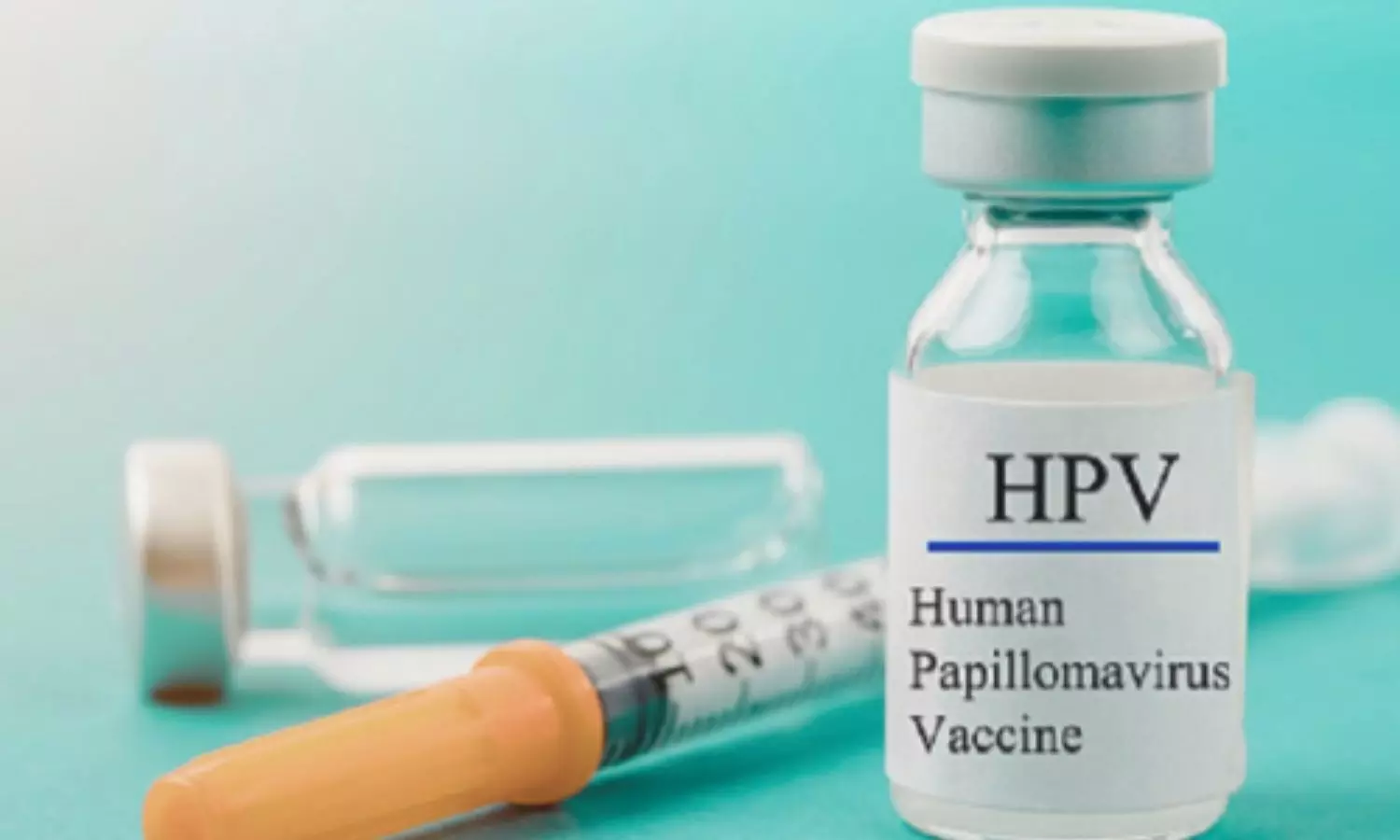


USA: A major international clinical trial published in the New England Journal of Medicine has delivered encouraging evidence that a single dose of the human papillomavirus (HPV) vaccine offers protection comparable to the standard two-dose regimen.
The study, led by Aimée R. Kreimer from the Division of Cancer Epidemiology and Genetics at the U.S. National Cancer Institute, suggests that a simplified vaccination schedule could significantly expand global HPV vaccine coverage.
HPV vaccination is known to be highly effective in preventing infections with high-risk virus types responsible for cervical cancer. Despite this, uptake remains inadequate in many countries, largely due to logistical challenges associated with multidose schedules. Recent observational studies have hinted that even a single dose might generate strong immunity, prompting researchers to test this possibility through a randomized controlled trial rigorously.
The trial enrolled 20,330 girls aged 12 to 16 years, who were randomly assigned to one of four groups: a single dose of the bivalent vaccine, two doses of the bivalent vaccine, a single dose of the nonavalent vaccine, or two doses of the nonavalent vaccine. The primary outcome was the occurrence of new HPV type 16 or 18 infections—two strains most strongly linked to cervical cancer—detected between 12 and 60 months post-vaccination and persisting for at least six months. A prespecified noninferiority margin of 1.25 infections per 100 participants was set to determine whether one dose performed comparably to two.
To strengthen the assessment of effectiveness, the study also incorporated data from a separate nonrandomized survey that included 3005 unvaccinated girls and women, serving as an external comparison group.
The findings were striking:
- A single dose of both the bivalent and nonavalent HPV vaccines fulfilled the criteria for noninferiority compared with the standard two-dose regimen.
- For the bivalent vaccine, the difference in infection rates was −0.13 infections per 100 participants (95% CI: −0.45 to 0.15), supporting comparable protection with one dose.
- For the nonavalent vaccine, the difference was 0.21 infections per 100 participants (95% CI: −0.09 to 0.51), again confirming similar effectiveness between one and two doses.
- Statistical testing in both groups strongly established noninferiority, with P values <0.001.
- Vaccine effectiveness remained exceptionally high—at least 97% in all four randomized groups, irrespective of vaccine type or dosing schedule.
- No safety concerns were identified during the study, reinforcing the favourable safety and risk–benefit profile of HPV vaccination in adolescents.
According to the authors, these results have significant implications for global immunization efforts. If countries adopt a single-dose schedule, vaccine access could broaden considerably, especially in low- and middle-income regions where cervical cancer remains a major public health burden.
The study concludes that one dose of either the bivalent or nonavalent HPV vaccine offers robust protection against HPV16 and HPV18 infections, performing on par with the traditional two-dose approach. As policymakers update immunization guidelines, this evidence could pave the way for simplified, more accessible HPV vaccination strategies worldwide.
Reference:
DOI: 10.1056/NEJMoa2506765

Next Story