Findings Indicate Echo-Based LVOT VTI Clinician’s Best Tool for Predicting hypotension
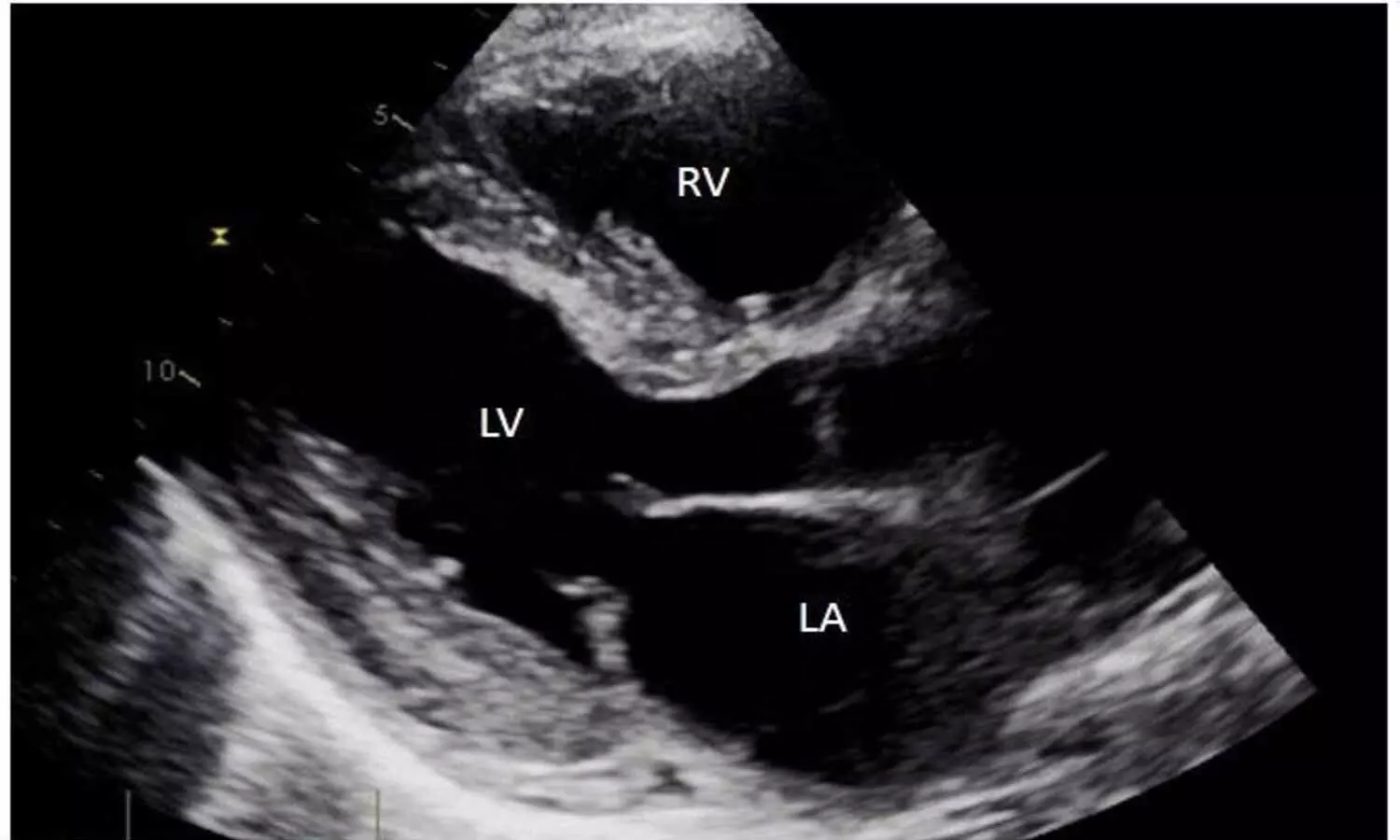


How can anaesthesiologists best predict which emergency surgery patients will drop their blood pressure after induction? Ultrasound-based predictors like left ventricular outflow tract velocity time integral (LVOT VTI) and subclavian vein collapsibility index (SCV CI) are gaining traction, but which is most reliable—especially when time is short and conditions are challenging?
Study Design: Ultrasound Measures Go Head-to-Head
In a prospective, cross-sectional diagnostic study, 130 adults (ASA I–II) undergoing emergency surgery under general anaesthesia were evaluated preoperatively. Each patient underwent two ultrasound assessments: LVOT VTI (a transthoracic echo parameter reflecting stroke volume and volume status) and SCV CI (the percentage change in subclavian vein diameter with respiration, previously proposed as a fluid responsiveness marker).
Patients were followed for post-induction hypotension, defined clinically. The predictive performance of each measure was compared using ROC analysis and logistic regression.
Key Findings: LVOT VTI Wins for Prediction
Incidence: 7.7% of patients developed post-induction hypotension.
LVOT VTI Performance: Area under the curve (AUC) = 0.698; sensitivity 80%; specificity 55%; negative predictive value (NPV) 97.1%.
SCV CI Performance: AUC = 0.657; sensitivity 90%; specificity 48%; NPV 98.3%.
Cut-offs: Hypotension was best predicted with LVOT VTI ≤11 cm and SCV CI ≤6.66%.
Regression Analysis: Only LVOT VTI significantly predicted hypotension (P = 0.04; odds ratio 0.79); SCV CI did not.
So What? Clinical Implications for Practice
LVOT VTI, a simple transthoracic echo measure, provides superior discrimination for post-induction hypotension than SCV CI in emergency surgical patients. SCV CI, while technically easy and rapid to perform, showed lower predictive value in this setting—but the absolute subclavian vein diameter may still offer practical utility for rapid bedside assessment, warranting further study.
Limitations and Future Directions
Assessments were done preoperatively, not at the moment of ED admission, and preoperative fluids given in the ward were not controlled for. Multiple attempts at intubation were excluded from analysis. The study highlights the need for larger, multicentric trials to refine ultrasound-guided haemodynamic assessment in acute/emergency settings.
Conclusion
LVOT VTI is a better predictor than SCV CI for post-induction hypotension in emergency surgery, but quick subclavian vein ultrasound may still have a role. Combining these approaches could enhance perioperative risk stratification—especially when time and resources are limited.
KEY points
LVOT VTI had higher predictive accuracy for post-induction hypotension than SCV CI.
A cut-off of LVOT VTI ≤11 cm was most discriminating for risk.
SCV CI had lower specificity but was feasible in all patients.
Subclavian vein diameter may be more practical for rapid bedside screening.
Point-of-care echo should be considered for emergency perioperative fluid assessment.
Citation:
Pathania J, Dhiman A, Sharma A. Diagnostic accuracy of left ventricular outflow tract velocity time integral and subclavian vein/infraclavicular axillary vein collapsibility index for predicting post-induction hypotension in patients undergoing emergency surgery under general anaesthesia. Indian Journal of Anaesthesia. 2026;70(8):958-62. DOI: 10.4103/ija.ija_344_26