Remimazolam Outshines Propofol: Safer Sedation for Elderly in Bronchoscopy
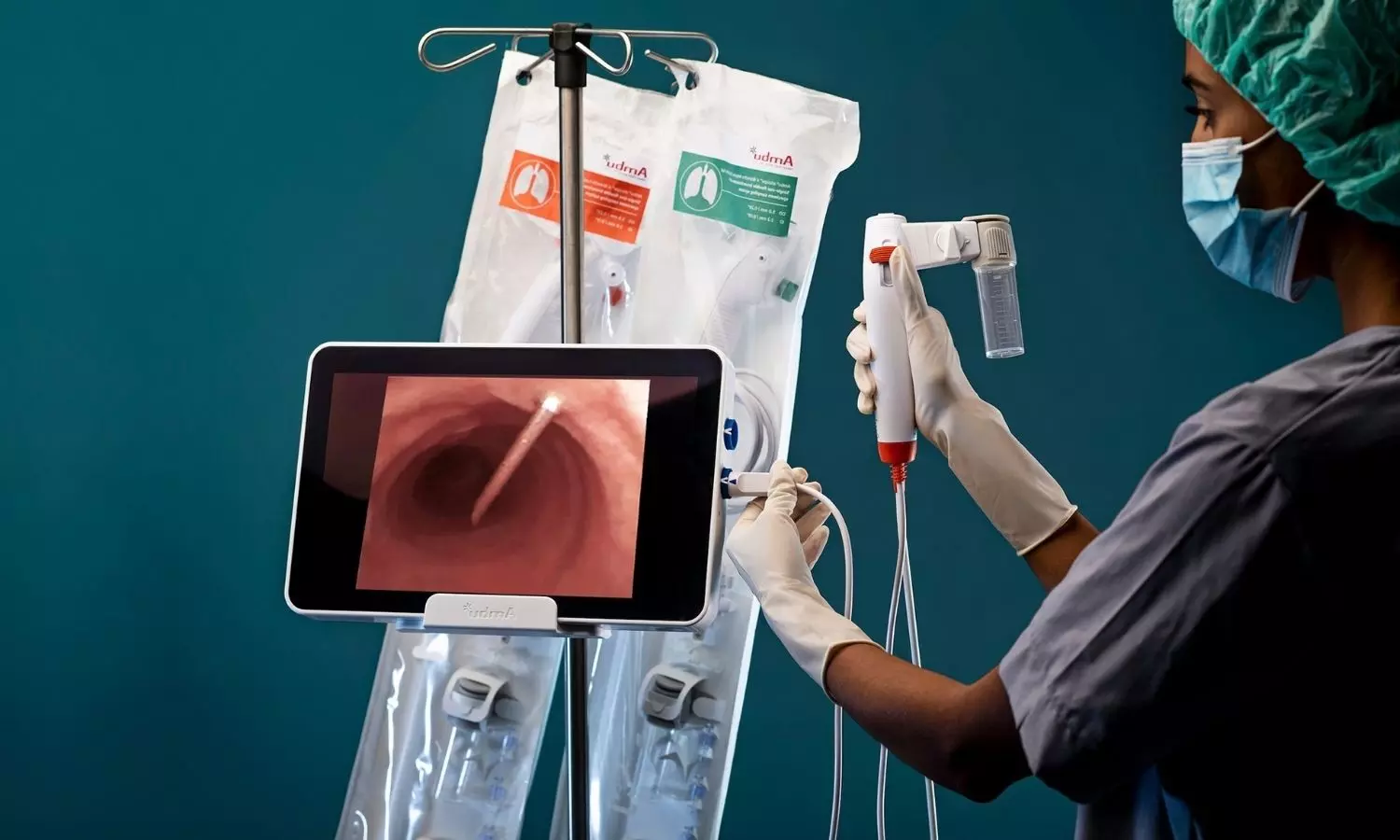


When it comes to performing flexible fiberoptic bronchoscopy (FFB) on elderly patients, ensuring both comfort and safety is a top priority for clinicians. Deep sedation is frequently required to minimize anxiety, coughing, and discomfort, but the choice of sedative can make a world of difference—especially for older adults who are more susceptible to complications like low oxygen (hypoxemia) and unstable blood pressure. Traditionally, propofol has been the go-to drug for these procedures. However, a newer agent, remimazolam, is rapidly gaining attention for its potential to deliver effective sedation with fewer side effects.
A recent prospective, randomized controlled trial published in BMC Anesthesiology took a closer look at how remimazolam stacks up against propofol in this high-risk demographic. The study enrolled 66 elderly patients (aged 65–80 years) scheduled for FFB, randomly assigning them to receive either remimazolam or propofol for deep sedation, following an initial dose of alfentanil. Both sedatives were carefully titrated to maintain deep sedation throughout the procedure, and the primary safety benchmark was the occurrence of hypoxemia (dangerously low blood oxygen).
The findings were striking. Patients in the remimazolam group experienced significantly fewer episodes of hypoxemia compared to those receiving propofol (9.1% vs. 45.5%). The risk of severe hypoxemia and hypotension was also notably lower with remimazolam. In addition, patients sedated with remimazolam maintained higher minimum oxygen saturation and mean arterial pressure, pointing to better overall cardiorespiratory stability during the procedure.
Comfort was another area where remimazolam excelled—none of the patients in this group reported the painful sensation sometimes felt with intravenous propofol injections (compared to more than a quarter in the propofol group). Despite these safety advantages, both drugs were equally effective in achieving and maintaining deep sedation, and recovery times were similar.
What does all this mean for clinical practice? For elderly patients undergoing bronchoscopy, remimazolam offers a promising alternative to propofol, providing effective sedation with a lower risk of respiratory and cardiovascular complications. While further large-scale, multi-center studies are needed to solidify these findings and optimize dosing, this trial marks an important step forward in improving the safety of sedation for a vulnerable patient population.
Key Takeaways:
• Remimazolam dramatically lowers the risk of hypoxemia and severe hypoxemia compared to propofol during bronchoscopy in elderly patients.
• Patients sedated with remimazolam had better blood pressure stability and higher oxygen levels throughout the procedure.
• Remimazolam caused no injection pain, while propofol did for over 25% of patients.
• Both sedatives were equally effective for deep sedation, but remimazolam proved safer for older adults.
Citation:
Luo, P., Wu, J., Lan, H., Xu, Q., & Duan, G. (2025). Safety of remimazolam in deep sedation during flexible fiberoptic bronchoscopy: a prospective, randomized controlled trial. BMC Anesthesiology, 25, 246. https://doi.org/10.1186/s12871-025-03117-8