Study Reveals How Malnutrition Shapes Anaesthetic Needs in Children
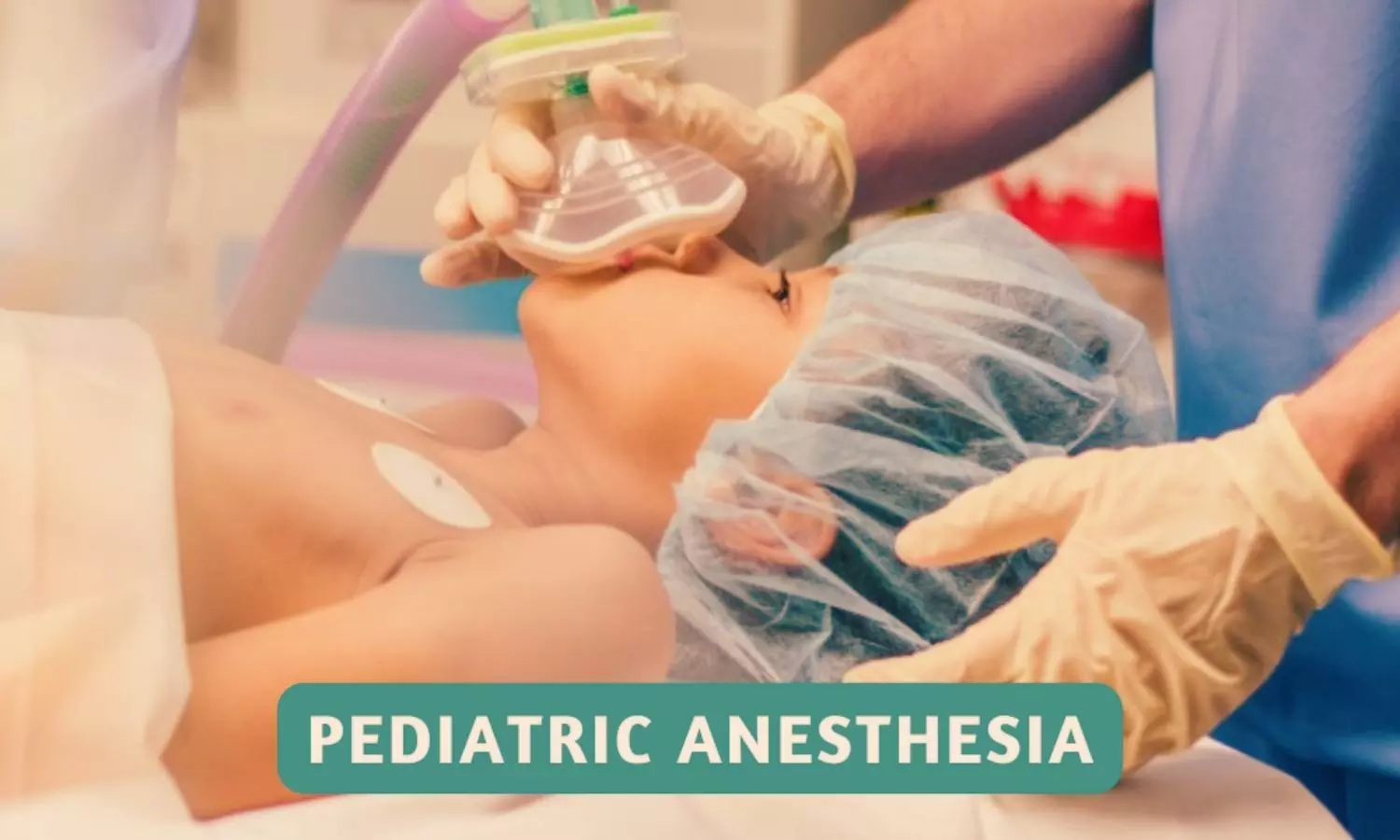



The Global Challenge of Childhood Malnutrition
Malnutrition remains a major health challenge in developing countries, especially among children. It not only affects growth and development but also influences how young patients respond to medical treatments—including anaesthesia. The most common form, protein-energy malnutrition (PEM), disrupts normal body functions and increases vulnerability during surgeries. Yet, until now, little was known about how malnutrition impacts the use of modern anaesthetics like sevoflurane in children.
Why Anaesthetic Response Matters
Children who are malnourished often face:
Altered drug absorption, metabolism, and excretion
Increased drug sensitivity
Delayed recovery from anaesthesia These factors can lead to greater risks during and after surgery, underscoring the need for tailored anaesthetic care.
Inside the Study: Design and Key Methods
Researchers at the All India Institute of Medical Sciences conducted a prospective observational study involving 100 children aged 2–9 years undergoing short eye procedures under general anaesthesia. The children were grouped by nutritional status (well-nourished, mildly, moderately, or severely malnourished) using CDC Z‑scores.
Key measurements included:
Induction time (how quickly anaesthesia takes effect)
Sevoflurane consumption
Emergence time (recovery from anaesthesia)
Anthropometric data including the practical mid-upper arm circumference (MUAC)
Surprising Findings: Less Anaesthetic, Longer Recovery
The results were striking:
Severely malnourished children required significantly less sevoflurane and experienced faster induction—anaesthesia took effect more quickly.
However, these children also had prolonged recovery times (emergence), suggesting their bodies process anaesthetic agents differently.
MUAC was strongly correlated with anaesthetic variables in severely malnourished children, suggesting it could be a practical screening tool for anaesthetic planning.
Why These Insights Matter
This study offers the first direct evidence that severe malnutrition substantially alters how children respond to inhaled anaesthetics. Anaesthesiologists should be aware that:
Malnourished children may need lower doses
Recovery may take longer
MUAC can help identify at-risk children preoperatively
Limitations and Future Directions
While the study is pioneering, it focused on short-duration, non-invasive procedures and did not distinguish between types of malnutrition. Future research should include biochemical markers and more complex surgeries to deepen understanding.
Key Takeaways
Severe malnutrition leads to faster anaesthetic induction but slower recovery.
Lower sevoflurane doses are needed for malnourished children.
Mid-upper arm circumference (MUAC) is a valuable, quick screening tool.
Personalized anaesthetic plans are crucial for malnourished children.
Early nutritional assessment can improve surgical safety and outcomes.
Citation:
Singh AK, Khanna P, Choudhary N, Ray BR, Anand RK, Kalonia A, et al. Impact of paediatric malnutrition on sevoflurane requirements and recovery: A pilot study. Indian J Anaesth 2026;70:434-42. doi:10.4103/ija.ija_757_25