Cardiac Support Now Leads ECMO Use Worldwide, Global Analysis Finds
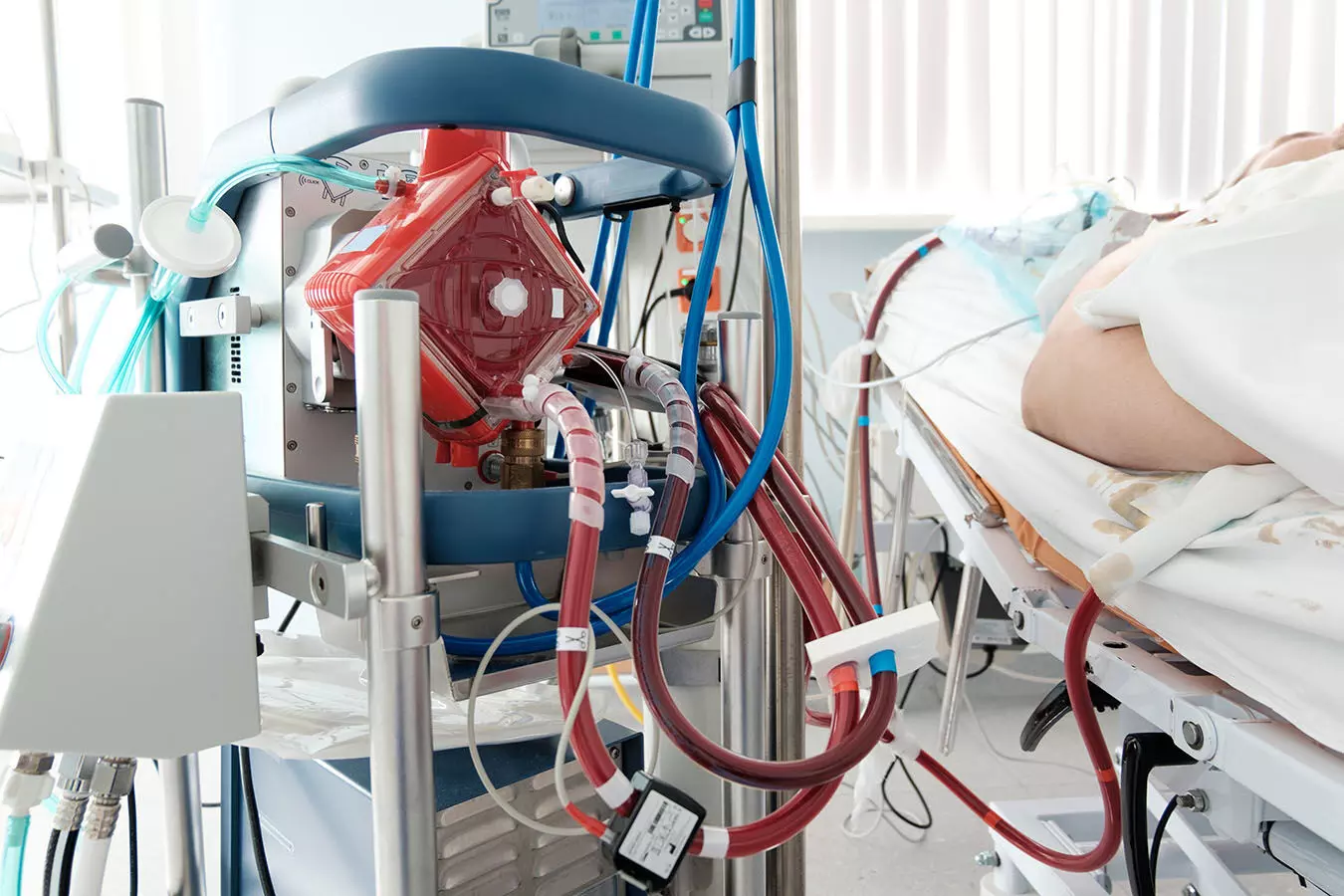


China: A new global analysis signals a dramatic escalation in the use of extracorporeal membrane oxygenation (ECMO) for circulatory failure, identifying cardiac arrest management and left ventricular (LV) unloading as the next critical frontiers in improving survival outcomes.
The bibliometric analysis was published in the journal Healthcare in June 2025.
Although ECMO has evolved from its pulmonary origins to manage the majority of current circulatory failure cases, a clinical gap remains because, in prior bibliometric analyses, its circulatory applications remained underrepresented. Consequently, Hanming Gao, of the Department of Critical Care Medicine at the Hospital of Guangxi Medical University, and colleagues aimed to identify the key contributors, global research hotspots, collaboration structure, and emerging trends in ECMO for circulatory failures to provide a data-driven framework for maturing resuscitation and cardiogenic shock management.
For this purpose, the investigators analyzed 14,804 English-language clinical publications indexed in the Science Citation Index Expanded (SCIE) from 1945 to 2024. Using bibliometric visualization tools, they mapped global research activity specifically focused on ECMO for circulatory support, while excluding animal studies and respiratory-only research.
Key Clinical Findings of Analysis Include:
- Dominant Global Utilization: The analysis reveals that the current registry data indicates that circulatory support now accounts for 53.14% of total Extracorporeal Life Support Organization (ELSO) cases, marking a definitive clinical shift where cardiac support has surpassed respiratory applications in frequency.
- Superior Survival with ECPR: Implementing Extracorporeal Cardiopulmonary Resuscitation (ECPR) for in-hospital cardiac arrest more than doubles discharge survival rates to 28.8% compared to only 12.3% for conventional CPR, with success further enhanced by early reperfusion and hypothermia.
- Mortality Benefit of LV Unloading: Active mechanical unloading of the left ventricle in patients on Veno-Arterial Extracorporeal Membrane Oxygenation (VA-ECMO) for cardiogenic shock is associated with a significant reduction in 30-day mortality (Hazard Ratio: 0.79), despite an inherent increase in complication risks.
- Optimized Post-Surgical Support: Timing for patients experiencing post-cardiotomy circulatory failure, initiating support intraoperatively rather than postoperatively results in a lower in-hospital mortality rate of 57.5% compared to 64.5% and leads to shorter overall durations of mechanical support.
- Enhanced Precision via Prognostic Modeling: Utilizing validated tools such as the Survival After Veno-Arterial ECMO (SAVE) score or emerging deep neural networks like ECMO PAL (Prediction and Analysis of Long-term outcomes) allows clinicians to achieve more accurate, individualized survival predictions and refined patient selection.
The findings highlight that circulatory support now constitutes the majority of ECMO use globally. The authors emphasize that future progress depends on refining strategies in high-impact domains such as early ECPR implementation, mechanical LV unloading in refractory cardiogenic shock, and integration of advanced prognostic modeling.
As ECMO continues to expand in cardiac critical care, the focus is shifting from mere deployment to precision optimization — ensuring timely intervention, minimizing cardiac strain, and leveraging predictive analytics to improve survival in patients with severe circulatory failure.
Reference
Gao, H.; Zhou, K.; Chen, Y.; Ling, Y.; Qin, Q.; Lu, J. Global Trends in Extracorporeal Membrane Oxygenation Support for Circulatory Failure: A Bibliometric Analysis. Healthcare 2025, 13, 1365