
Medical Dialogues
  • Dermatology
Login Register
This site is intended for healthcare professionals only
Login Register
  • MD Brand Connect
  • Webinars
  • Vaccine Hub
  • MDTV
    • Breaking News
    • Medical News Today
    • Health News Today
    • Latest
    • Journal Club
    • Medico Legal Update
    • Latest Webinars
    • MD Shorts
    • Health Dialogues
  • Fact Check
  • Health Dialogues
Medical Dialogues
  • Medical News & Guidelines
      • Anesthesiology
      • Cardiology and CTVS
      • Critical Care
      • Dentistry
      • Dermatology
      • Diabetes and Endocrinology
      • ENT
      • Gastroenterology
      • Medicine
      • Nephrology
      • Neurology
      • Obstretics-Gynaecology
      • Oncology
      • Ophthalmology
      • Orthopaedics
      • Pediatrics-Neonatology
      • Psychiatry
      • Pulmonology
      • Radiology
      • Surgery
      • Urology
      • Laboratory Medicine
      • Diet
      • Nursing
      • Paramedical
      • Physiotherapy
  • Health news
      • Doctor News
      • Government Policies
      • Hospital & Diagnostics
      • International Health News
      • Medical Organization News
      • Medico Legal News
      • NBE News
      • NMC News
  • Fact Check
      • Bone Health Fact Check
      • Brain Health Fact Check
      • Cancer Related Fact Check
      • Child Care Fact Check
      • Dental and oral health fact check
      • Diabetes and metabolic health fact check
      • Diet and Nutrition Fact Check
      • Eye and ENT Care Fact Check
      • Fitness fact check
      • Gut health fact check
      • Heart health fact check
      • Kidney health fact check
      • Medical education fact check
      • Men's health fact check
      • Respiratory fact check
      • Skin and hair care fact check
      • Vaccine and Immunization fact check
      • Women's health fact check
  • AYUSH
    • Ayurveda
    • Homeopathy
    • Siddha
    • Unani
    • Yoga
  • State News
      • Andaman and Nicobar Islands
      • Andhra Pradesh
      • Arunachal Pradesh
      • Assam
      • Bihar
      • Chandigarh
      • Chattisgarh
      • Dadra and Nagar Haveli
      • Daman and Diu
      • Delhi
      • Goa
      • Gujarat
      • Haryana
      • Himachal Pradesh
      • Jammu & Kashmir
      • Jharkhand
      • Karnataka
      • Kerala
      • Ladakh
      • Lakshadweep
      • Madhya Pradesh
      • Maharashtra
      • Manipur
      • Meghalaya
      • Mizoram
      • Nagaland
      • Odisha
      • Puducherry
      • Punjab
      • Rajasthan
      • Sikkim
      • Tamil Nadu
      • Telangana
      • Tripura
      • Uttar Pradesh
      • Uttrakhand
      • West Bengal
  • Medical Education
      • Ayush Education News
      • Dentistry Education News
      • Medical Admission News
      • Medical Colleges News
      • Medical Courses News
      • Medical Universities News
      • Nursing education News
      • Paramedical Education News
      • Study Abroad
  • Industry
      • Health Investment News
      • Health Startup News
      • Medical Devices News
      • Pharma News
      • Pharmacy Education News
      • AI and healthcare
      • Industry Perspective
  • MDTV
      • Health Dialogues MDTV
      • Health News today MDTV
      • Latest Videos MDTV
      • Latest Webinars MDTV
      • MD shorts MDTV
      • Medical News Today MDTV
      • Medico Legal Update MDTV
      • Top Videos MDTV
      • Health Perspectives MDTV
      • Journal Club MDTV
      • Medical Dialogues Show
This site is intended for healthcare professionals only
LoginRegister
Medical Dialogues
LoginRegister
  • Home
  • Medical news & Guidelines
    • Anesthesiology
    • Cardiology and CTVS
    • Critical Care
    • Dentistry
    • Dermatology
    • Diabetes and Endocrinology
    • ENT
    • Gastroenterology
    • Medicine
    • Nephrology
    • Neurology
    • Obstretics-Gynaecology
    • Oncology
    • Ophthalmology
    • Orthopaedics
    • Pediatrics-Neonatology
    • Psychiatry
    • Pulmonology
    • Radiology
    • Surgery
    • Urology
    • Laboratory Medicine
    • Diet
    • Nursing
    • Paramedical
    • Physiotherapy
  • Health news
    • Doctor News
    • Government Policies
    • Hospital & Diagnostics
    • International Health News
    • Medical Organization News
    • Medico Legal News
    • NBE News
    • NMC News
  • Fact Check
    • Bone Health Fact Check
    • Brain Health Fact Check
    • Cancer Related Fact Check
    • Child Care Fact Check
    • Dental and oral health fact check
    • Diabetes and metabolic health fact check
    • Diet and Nutrition Fact Check
    • Eye and ENT Care Fact Check
    • Fitness fact check
    • Gut health fact check
    • Heart health fact check
    • Kidney health fact check
    • Medical education fact check
    • Men's health fact check
    • Respiratory fact check
    • Skin and hair care fact check
    • Vaccine and Immunization fact check
    • Women's health fact check
  • AYUSH
    • Ayurveda
      • Ayurveda Giuidelines
      • Ayurveda News
      • Top Ayurveda News
    • Homeopathy
      • Homeopathy Guidelines
      • Homeopathy News
    • Siddha
      • Siddha Guidelines
      • Siddha News
    • Unani
      • Unani Guidelines
      • Unani News
    • Yoga
      • Yoga Guidelines
      • Yoga News
  • State News
    • Andaman and Nicobar Islands
    • Andhra Pradesh
    • Arunachal Pradesh
    • Assam
    • Bihar
    • Chandigarh
    • Chattisgarh
    • Dadra and Nagar Haveli
    • Daman and Diu
    • Delhi
    • Goa
    • Gujarat
    • Haryana
    • Himachal Pradesh
    • Jammu & Kashmir
    • Jharkhand
    • Karnataka
    • Kerala
    • Ladakh
    • Lakshadweep
    • Madhya Pradesh
    • Maharashtra
    • Manipur
    • Meghalaya
    • Mizoram
    • Nagaland
    • Odisha
    • Puducherry
    • Punjab
    • Rajasthan
    • Sikkim
    • Tamil Nadu
    • Telangana
    • Tripura
    • Uttar Pradesh
    • Uttrakhand
    • West Bengal
  • Medical Education
    • Ayush Education News
    • Dentistry Education News
    • Medical Admission News
    • Medical Colleges News
    • Medical Courses News
    • Medical Universities News
    • Nursing education News
    • Paramedical Education News
    • Study Abroad
  • Industry
    • Health Investment News
    • Health Startup News
    • Medical Devices News
    • Pharma News
      • CDSCO (Central Drugs Standard Control Organisation) News
    • Pharmacy Education News
    • AI and healthcare
    • Industry Perspective
  • Home
  • Cardiology-CTVS
  • Cardiology & CTVS News
  • DNA treatment cuts bad...

DNA treatment cuts bad cholesterol by nearly 50 Percent without statins: Study
Written By : Dr. Kamal Kant Kohli Published On 2026-11-06T07:15:59+05:30  |  Updated On 6 Nov 2026 7:16 AM IST
DNA treatment cuts bad cholesterol by nearly 50 Percent without statins: Study
  • facebook
  • twitter
  • linkedin
  • whatsapp
  • Telegram
  • Email

High cholesterol can quietly damage arteries for years, raising the risk of heart disease and other cardiovascular problems. Now, researchers from the University of Barcelona and the University of Oregon have developed an experimental strategy that could offer a new way to bring cholesterol levels down.

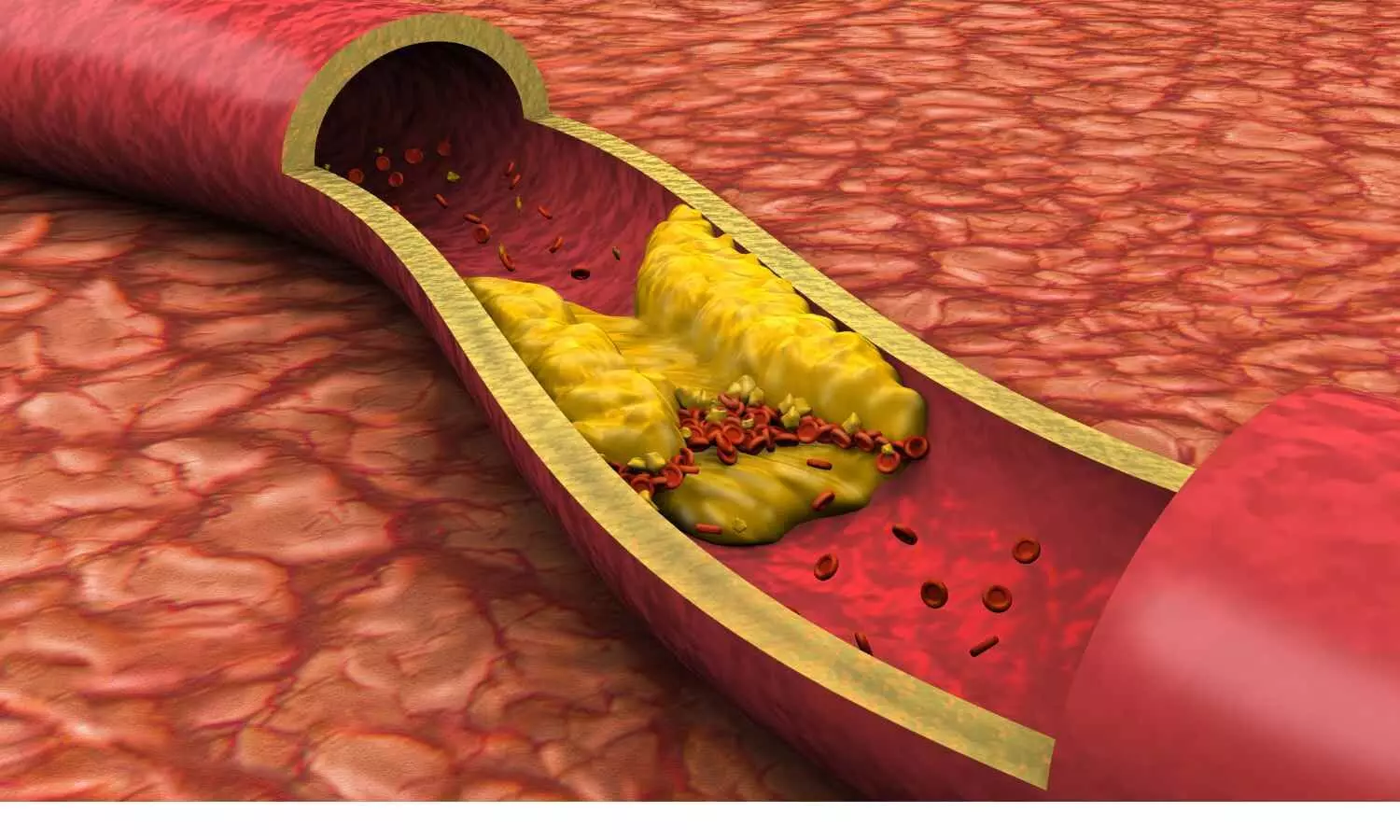
The approach targets PCSK9, a protein that plays a major role in controlling levels of low-density lipoprotein cholesterol (LDL-C), often called "bad" cholesterol. By suppressing PCSK9, the treatment helps cells remove more cholesterol from the bloodstream, potentially reducing the buildup of fatty plaques inside arteries that can lead to atherosclerosis.

Instead of relying on statins, the researchers used molecules called polypurine hairpins (PPRH). These specially designed DNA molecules can interfere with the activity of specific genes. In this case, they were used to reduce production of PCSK9.

The findings were published in the journal Biochemical Pharmacology. The research was led by Carles J. Ciudad and Verònica Noé, professors at the University of Barcelona's Faculty of Pharmacy and Food Sciences and the Institute of Nanoscience and Nanotechnology (IN2UB), together with Nathalie Pamir of the University of Oregon in Portland (United States). The work was supported by projects from the Spanish Ministry of Science, Innovation and Universities (MICINN) and the National Institutes of Health (NIH) of the United States.

Targeting a Key Cholesterol Protein

PCSK9 (protein convertase subtilisin/kexin type 9) has become an important target in cardiovascular medicine over the past decade because of its influence on cholesterol metabolism.

Cells use LDL receptors to capture LDL cholesterol circulating in the blood. PCSK9 interferes with this process by reducing the number of LDL receptors available on the cell surface. With fewer receptors available to remove cholesterol, more LDL cholesterol remains in the bloodstream, contributing to hypercholesterolemia.

The new strategy attempts to stop that process closer to its source by reducing expression of the PCSK9 gene itself.

Polypurine hairpins (PPRHs) are short, single-stranded DNA molecules known as oligonucleotides. They are designed to recognize and bind very specific DNA or RNA sequences. Once attached to their target, they can interfere with gene transcription, the process cells use to make RNA from DNA instructions.

In this study, researchers tested two PPRHs, called HpE9 and HpE12. Both reduced PCSK9 RNA and protein while increasing levels of LDLR, the receptor that helps cells take up LDL cholesterol.

"Specifically, one of the arms of each chain of the HpE9 and HpE12 polypurines binds specifically to polypyrimidine sequences of exons 9 and 12 of PCSK9, respectively, via Watson-Crick bonds," notes Professor Carles J. Ciudad, from the Department of Biochemistry and Physiology.

That binding interferes with transcription of the gene, either by disrupting the activity of RNA polymerase, the enzyme that produces RNA, or by preventing transcription factors from attaching to DNA.

Cholesterol Fell 47% in Mice

The researchers also tested the technique in vivo using transgenic mice engineered to express the human PCSK9 gene.

The strongest results came from HpE12.

"The results show that both HpE9 and HpE12 are highly effective in HepG2 cells. HpE12 decreases PCSK9 RNA levels by 74% and protein levels by 87%. In the case of transgenic mice, a single injection of HpE12 reduces plasma PCSK9 levels by 50% and cholesterol levels by 47% on the third day," says Professor Verònica Noé.

The findings suggest that suppressing PCSK9 with PPRHs can increase the availability of LDL receptors and help cells pull more cholesterol out of circulation. In principle, that could reduce the amount of cholesterol available to contribute to plaque formation in artery walls.

Because the cholesterol reduction was demonstrated in mice, however, additional research would be needed to determine whether the approach is safe and effective in humans.

A Potential Alternative to Existing Cholesterol Drugs

PCSK9 is already the target of several cholesterol-lowering therapies.

Researchers have explored gene silencing approaches using siRNAs, antisense oligonucleotides, and CRISPR. Inclisiran, for example, is an siRNA-based medication that reduces production of PCSK9. Monoclonal antibodies such as evolocumab and alirocumab also target the protein.

The researchers argue that PPRHs could offer another option. They say these molecules may have several practical advantages, including relatively inexpensive production, stability and a low likelihood of provoking an immune response.

"PPRHs, especially HpE12, are therapeutic oligonucleotides with many advantages, including low cost of synthesis, stability and lack of immunogenicity. In addition, such a PPRH-based approach against PCSK9 would not lead to side effects such as the myopathies associated with statin therapy," the experts conclude.

If future studies confirm the findings in people, targeting PCSK9 with polypurine hairpins could eventually add another tool to the growing range of treatments designed to lower LDL cholesterol and protect cardiovascular health.

Reference:

Ester López-Aguilar, Silvia Cecilia Pacheco-Velázquez, M-Antonia Busquets, Joshua Hay, Paul A. Mueller, Sergio Fazio, Carlos J Ciudad, Véronique Noé, Nathalie Pamir. Inhibition of PCSK9 with polypurine reverse hoogsteen hairpins: A novel gene therapy approach. Biochemical Pharmacology, 2025; 238: 116976 DOI: 10.1016/j.bcp.2025.116976

Biochemical Pharmacologycholesterolstatinsheart diseaseatherosclerosishypercholesterolemia
Source : Biochemical Pharmacology

Medical Survey

Dr. Kamal Kant Kohli

Dr Kamal Kant Kohli-MBBS, DTCD- a chest specialist with more than 30 years of practice and a flair for writing clinical articles, Dr Kamal Kant Kohli joined Medical Dialogues as a Chief Editor of Medical News. Besides writing articles, as an editor, he proofreads and verifies all the medical content published on Medical Dialogues including those coming from journals, studies,medical conferences,guidelines etc. Email: drkohli@medicaldialogues.in. Contact no. 011-43720751

Print Article
Show Full Article
Next Story
Recommended For You
NO DATA FOUND

Editorial

Allergic Rhinitis (AR) with Nasal Congestion: Why Antihistamine Monotherapy May Not Be Enough

Allergic Rhinitis (AR) with Nasal Congestion: Why Antihistamine Monotherapy May Not Be Enough

NMC Introduces New Ethical Rules for Healthcare Advertising: Compliance and Enforcement Challenges for Hospitals in India

NMC Introduces New Ethical Rules for Healthcare Advertising: Compliance and Enforcement Challenges...

Metformin Effect on Biological Aging in Prediabetes: Latest 2026 Published Indian Research

Metformin Effect on Biological Aging in Prediabetes: Latest 2026 Published Indian Research

Resting Heart Rate and CV Outcomes in Hypertension: Revisiting the Accessible Clinical Marker

Resting Heart Rate and CV Outcomes in Hypertension: Revisiting the Accessible Clinical Marker

Clinical Perspectives of Fexofenadine and Pseudoephdrine in Indian Allergic Rhinitis Patients - Dr. Sanjay Sachdeva

Clinical Perspectives of Fexofenadine and Pseudoephdrine in Indian Allergic Rhinitis Patients - Dr....

View All

Journal Club Today

Kids Who Eat More Ultra-Processed Foods Show Stronger Brain Reward Signals: Study

Kids Who Eat More Ultra-Processed Foods Show Stronger Brain Reward Signals: Study

View All
© 2022 All Rights Reserved.
Powered By: Hocalwire
X
We use cookies for analytics, advertising and to improve our site. You agree to our use of cookies by continuing to use our site. To know more, see our Cookie Policy and Cookie Settings.Ok