Inhaled Isoflurane Sedation Fails to Reduce Mortality in Mechanically Ventilated ICU Patients, JAMA Trial Finds
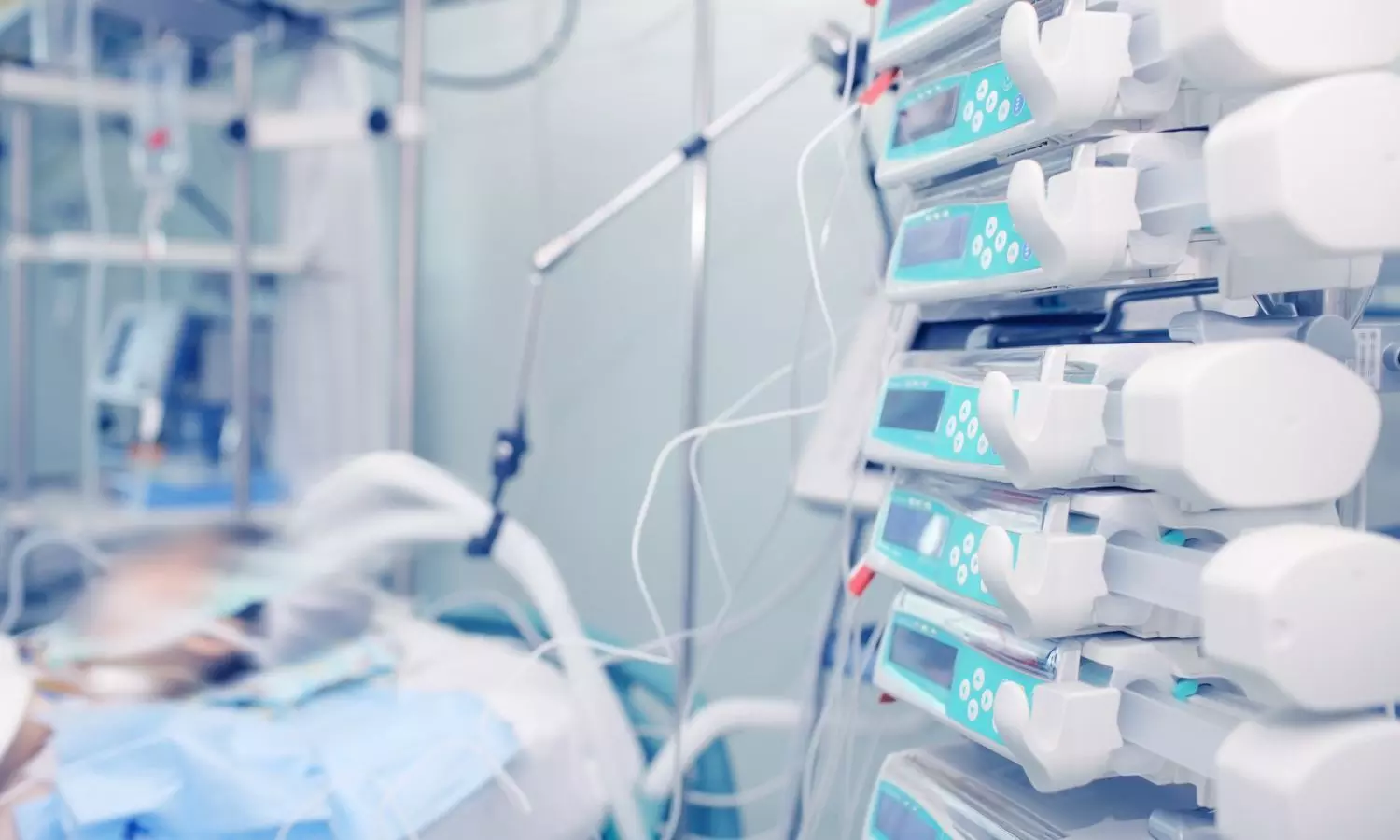


Sedation is an essential component of mechanical ventilation in critically ill patients, particularly those with acute hypoxaemic respiratory failure. Although intravenous sedatives remain standard practice, prolonged sedation may be associated with hypotension, delirium and delayed recovery. Inhaled anaesthetic agents such as isoflurane have emerged as potential alternatives because of their rapid elimination and possible respiratory and anti-inflammatory effects. However, whether inhaled sedation improves important clinical outcomes has remained uncertain.
A new randomised clinical trial published in JAMA found that an isoflurane-based inhaled sedation strategy did not reduce hospital mortality compared with conventional intravenous sedation in mechanically ventilated adults.
The study, titled “Isoflurane-Based Inhaled Sedation in Mechanically Ventilated Adults With Acute Hypoxemic Respiratory Failure: The SAVE-ICU Randomized Clinical Trial,” was conducted by Angela Jerath and colleagues from the SAVE-ICU Investigators and Canadian Critical Care Trials Group.
This multicentre, pragmatic, open-label randomised trial was conducted across 14 intensive care units in Canada between September 2020 and March 2025.
The investigators randomised 786 adults receiving mechanical ventilation for acute hypoxaemic respiratory failure, including COVID-19 and non-COVID respiratory failure. Of these, 780 were included in the primary analysis. The mean age was 61.1 years, and approximately 74% had non-COVID respiratory failure.
Patients received either inhaled isoflurane sedation, with additional intravenous sedatives when clinically necessary, or conventional intravenous sedation. Sedation was adjusted according to clinical targets until extubation or death.
The primary outcome was all-cause hospital mortality. Secondary outcomes included ventilator-free days, ICU-free days, delirium- and coma-free days, and quality of life.
The investigators reported the following findings:
• Hospital mortality was 42.5% (161/379) with inhaled isoflurane compared with 43.8% (171/390) with intravenous sedation.
• The relative risk of mortality was 0.98 (95% CI, 0.84–1.14; P=0.85), indicating no statistically significant survival benefit.
• Ventilator-free days and ICU-free days at 30 days were similar between groups.
• Additional therapies for refractory hypoxaemia were used more frequently in the inhaled sedation group (63.9% versus 55.0%).
• Patients receiving inhaled sedation had approximately one fewer delirium- and coma-free day during the first 14 days.
• Quality-of-life and disability outcomes at three months were comparable.
Importantly, approximately half of the patients receiving isoflurane also required intravenous sedation during the first two weeks, suggesting that inhaled sedation did not consistently eliminate the need for conventional agents.
The findings are clinically relevant because inhaled anaesthetics have been proposed as alternatives to intravenous sedatives, particularly when prolonged mechanical ventilation is anticipated. Their theoretical advantages, however, did not translate into improved survival or faster liberation from mechanical ventilation in this trial.
The study has limitations. Its open-label design could influence clinical management, while frequent use of additional intravenous sedatives makes it difficult to isolate the effects of isoflurane itself. Furthermore, specialised delivery equipment and staff training are necessary for inhaled ICU sedation.
For Indian intensive care units, where cost, equipment availability and trained personnel influence sedation choices, these findings are particularly relevant. Routine adoption of inhaled isoflurane solely to improve survival is not supported by the available evidence.
Clinical Message: In mechanically ventilated adults with acute hypoxaemic respiratory failure, an isoflurane-based inhaled sedation strategy did not improve hospital survival, ventilator-free days or ICU-free days compared with conventional intravenous sedation. Sedation should remain individualised according to patient condition, haemodynamic stability, sedation targets and available resources. Inhaled sedation may have selected clinical applications, but routine use for mortality reduction is not justified by this trial.
Reference:
Jerath A, Slessarev M, Martin C, et al; SAVE-ICU Investigators and the Canadian Critical Care Trials Group. Isoflurane-Based Inhaled Sedation in Mechanically Ventilated Adults With Acute Hypoxemic Respiratory Failure: The SAVE-ICU Randomized Clinical Trial. JAMA. Published online October 14, 2026.