Enhanced Oral Care program significantly Reduces Hospital-Acquired Pneumonia: Study
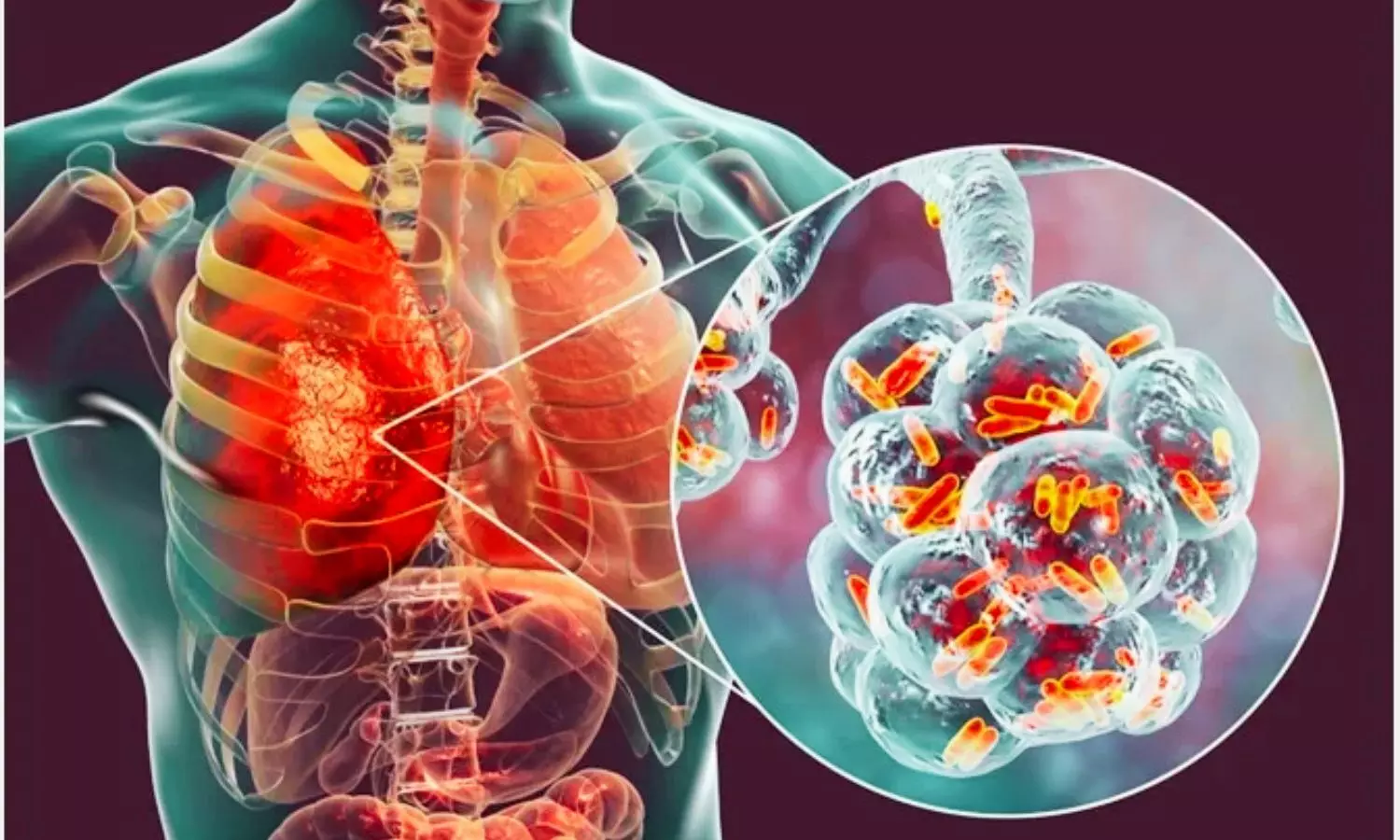


A new study published in the International Journal of Dentistry showed that when compared to standard care, an improved oral care program dramatically decreased the incidence of non-ventilator hospital-acquired pneumonia (NV-HAP).
In adult critical care settings, ventilator-associated pneumonia (VAP) and non-ventilator hospital-acquired pneumonia continue to rank among the most prevalent and dangerous illnesses. Oral care is infrequently tested as a preventative intervention and is inconsistently stated despite its substantial biological plausibility. This review summarizes research on oral hygiene habits in critically sick individuals, looks at how they relate to VAP and NVHAP, and suggests a clinically useful oral care package that is guided by dentistry.
A systematic literature search in Scopus, PubMed, and Web of Science from 2005 to 2025 was used to do an integrated review. Search criteria included oral health, critical care, and pneumonia-related subjects. Studies on oral health and the prevention of VAP or NVHAP in adult critical care settings were considered eligible sources. Only English-language full-text publications or those having an English translation accessible were included.
935 entries were found in the database search. 711 studies were chosen for title and abstract screening after 224 duplicates were eliminated.
Additionally, 20 studies were included in the final synthesis after studies that were solely focused on non-oral pneumonia prevention strategies, lacked an oral health component, or were not carried out in an acute hospital or intensive care unit (ICU) setting were eliminated during the synthesis phase.
The review objectives, such as pathophysiologic mechanisms along the oral–lung axis; assessment and documentation; current oral care practices; modality-specific interventions; implementation and workforce factors; safety, equity, and feasibility, were the basis for the narrative organization of the evidence synthesis.
Overall, to avoid hospital-acquired pneumonias such as ventilator-associated pneumonia and NVHAP, structured oral hygiene is an essential and inexpensive intervention. A consistent, twice-daily regimen focusing on mechanical plaque disruption with a soft toothbrush, rapid suction, and oral moisturizing is firmly supported by current research.
Antiseptics such as chlorhexidine should be saved for certain high-risk groups rather than used all the time, but this straightforward, low-tech bundle turns dental care from an inconsistently performed comfort duty into a precisely defined, auditable safety precaution. These fundamental procedures provide a highly dependable and scalable approach to safer critical and acute care when regularly used in conjunction with more extensive mobility and ventilation practices.
Source:
Mathew, C. S., Karthika, M., & Ansari, K. (2026). Oral hygiene interventions and pneumonia prevention in critical care: An integrative review of evidence and practice. International Journal of Dentistry, 2026(1), 4436498. https://doi.org/10.1155/ijod/4436498