Medical Dialogues
  • Dermatology
Login Register
This site is intended for healthcare professionals only
Login Register
  • MD Brand Connect
  • Webinars
  • Vaccine Hub
  • MDTV
    • Breaking News
    • Medical News Today
    • Health News Today
    • Latest
    • Journal Club
    • Medico Legal Update
    • Latest Webinars
    • MD Shorts
    • Health Dialogues
  • Fact Check
  • Health Dialogues
Medical Dialogues
  • Medical News & Guidelines
      • Anesthesiology
      • Cardiology and CTVS
      • Critical Care
      • Dentistry
      • Dermatology
      • Diabetes and Endocrinology
      • ENT
      • Gastroenterology
      • Medicine
      • Nephrology
      • Neurology
      • Obstretics-Gynaecology
      • Oncology
      • Ophthalmology
      • Orthopaedics
      • Pediatrics-Neonatology
      • Psychiatry
      • Pulmonology
      • Radiology
      • Surgery
      • Urology
      • Laboratory Medicine
      • Diet
      • Nursing
      • Paramedical
      • Physiotherapy
  • Health news
      • Doctor News
      • Government Policies
      • Hospital & Diagnostics
      • International Health News
      • Medical Organization News
      • Medico Legal News
      • NBE News
      • NMC News
  • Fact Check
      • Bone Health Fact Check
      • Brain Health Fact Check
      • Cancer Related Fact Check
      • Child Care Fact Check
      • Dental and oral health fact check
      • Diabetes and metabolic health fact check
      • Diet and Nutrition Fact Check
      • Eye and ENT Care Fact Check
      • Fitness fact check
      • Gut health fact check
      • Heart health fact check
      • Kidney health fact check
      • Medical education fact check
      • Men's health fact check
      • Respiratory fact check
      • Skin and hair care fact check
      • Vaccine and Immunization fact check
      • Women's health fact check
  • AYUSH
    • Ayurveda
    • Homeopathy
    • Siddha
    • Unani
    • Yoga
  • State News
      • Andaman and Nicobar Islands
      • Andhra Pradesh
      • Arunachal Pradesh
      • Assam
      • Bihar
      • Chandigarh
      • Chattisgarh
      • Dadra and Nagar Haveli
      • Daman and Diu
      • Delhi
      • Goa
      • Gujarat
      • Haryana
      • Himachal Pradesh
      • Jammu & Kashmir
      • Jharkhand
      • Karnataka
      • Kerala
      • Ladakh
      • Lakshadweep
      • Madhya Pradesh
      • Maharashtra
      • Manipur
      • Meghalaya
      • Mizoram
      • Nagaland
      • Odisha
      • Puducherry
      • Punjab
      • Rajasthan
      • Sikkim
      • Tamil Nadu
      • Telangana
      • Tripura
      • Uttar Pradesh
      • Uttrakhand
      • West Bengal
  • Medical Education
      • Ayush Education News
      • Dentistry Education News
      • Medical Admission News
      • Medical Colleges News
      • Medical Courses News
      • Medical Universities News
      • Nursing education News
      • Paramedical Education News
      • Study Abroad
  • Industry
      • Health Investment News
      • Health Startup News
      • Medical Devices News
      • Pharma News
      • Pharmacy Education News
      • AI and healthcare
      • Industry Perspective
  • MDTV
      • Health Dialogues MDTV
      • Health News today MDTV
      • Latest Videos MDTV
      • Latest Webinars MDTV
      • MD shorts MDTV
      • Medical News Today MDTV
      • Medico Legal Update MDTV
      • Top Videos MDTV
      • Health Perspectives MDTV
      • Journal Club MDTV
      • Medical Dialogues Show
This site is intended for healthcare professionals only
LoginRegister
Medical Dialogues
LoginRegister
  • Home
  • Medical news & Guidelines
    • Anesthesiology
    • Cardiology and CTVS
    • Critical Care
    • Dentistry
    • Dermatology
    • Diabetes and Endocrinology
    • ENT
    • Gastroenterology
    • Medicine
    • Nephrology
    • Neurology
    • Obstretics-Gynaecology
    • Oncology
    • Ophthalmology
    • Orthopaedics
    • Pediatrics-Neonatology
    • Psychiatry
    • Pulmonology
    • Radiology
    • Surgery
    • Urology
    • Laboratory Medicine
    • Diet
    • Nursing
    • Paramedical
    • Physiotherapy
  • Health news
    • Doctor News
    • Government Policies
    • Hospital & Diagnostics
    • International Health News
    • Medical Organization News
    • Medico Legal News
    • NBE News
    • NMC News
  • Fact Check
    • Bone Health Fact Check
    • Brain Health Fact Check
    • Cancer Related Fact Check
    • Child Care Fact Check
    • Dental and oral health fact check
    • Diabetes and metabolic health fact check
    • Diet and Nutrition Fact Check
    • Eye and ENT Care Fact Check
    • Fitness fact check
    • Gut health fact check
    • Heart health fact check
    • Kidney health fact check
    • Medical education fact check
    • Men's health fact check
    • Respiratory fact check
    • Skin and hair care fact check
    • Vaccine and Immunization fact check
    • Women's health fact check
  • AYUSH
    • Ayurveda
      • Ayurveda Giuidelines
      • Ayurveda News
      • Top Ayurveda News
    • Homeopathy
      • Homeopathy Guidelines
      • Homeopathy News
    • Siddha
      • Siddha Guidelines
      • Siddha News
    • Unani
      • Unani Guidelines
      • Unani News
    • Yoga
      • Yoga Guidelines
      • Yoga News
  • State News
    • Andaman and Nicobar Islands
    • Andhra Pradesh
    • Arunachal Pradesh
    • Assam
    • Bihar
    • Chandigarh
    • Chattisgarh
    • Dadra and Nagar Haveli
    • Daman and Diu
    • Delhi
    • Goa
    • Gujarat
    • Haryana
    • Himachal Pradesh
    • Jammu & Kashmir
    • Jharkhand
    • Karnataka
    • Kerala
    • Ladakh
    • Lakshadweep
    • Madhya Pradesh
    • Maharashtra
    • Manipur
    • Meghalaya
    • Mizoram
    • Nagaland
    • Odisha
    • Puducherry
    • Punjab
    • Rajasthan
    • Sikkim
    • Tamil Nadu
    • Telangana
    • Tripura
    • Uttar Pradesh
    • Uttrakhand
    • West Bengal
  • Medical Education
    • Ayush Education News
    • Dentistry Education News
    • Medical Admission News
    • Medical Colleges News
    • Medical Courses News
    • Medical Universities News
    • Nursing education News
    • Paramedical Education News
    • Study Abroad
  • Industry
    • Health Investment News
    • Health Startup News
    • Medical Devices News
    • Pharma News
      • CDSCO (Central Drugs Standard Control Organisation) News
    • Pharmacy Education News
    • AI and healthcare
    • Industry Perspective
  • Home
  • Dentistry News and Guidelines
  • Dentistry News
  • Intralesional...

Intralesional nivolumab may be effective against precancerous oral lesions

Written By : Dr. Kamal Kant Kohli Published On 2026-04-30T20:15:25+05:30  |  Updated On 30 April 2026 8:15 PM IST
Intralesional nivolumab may be effective against precancerous oral lesions
  • facebook
  • twitter
  • linkedin
  • whatsapp
  • Telegram
  • Email

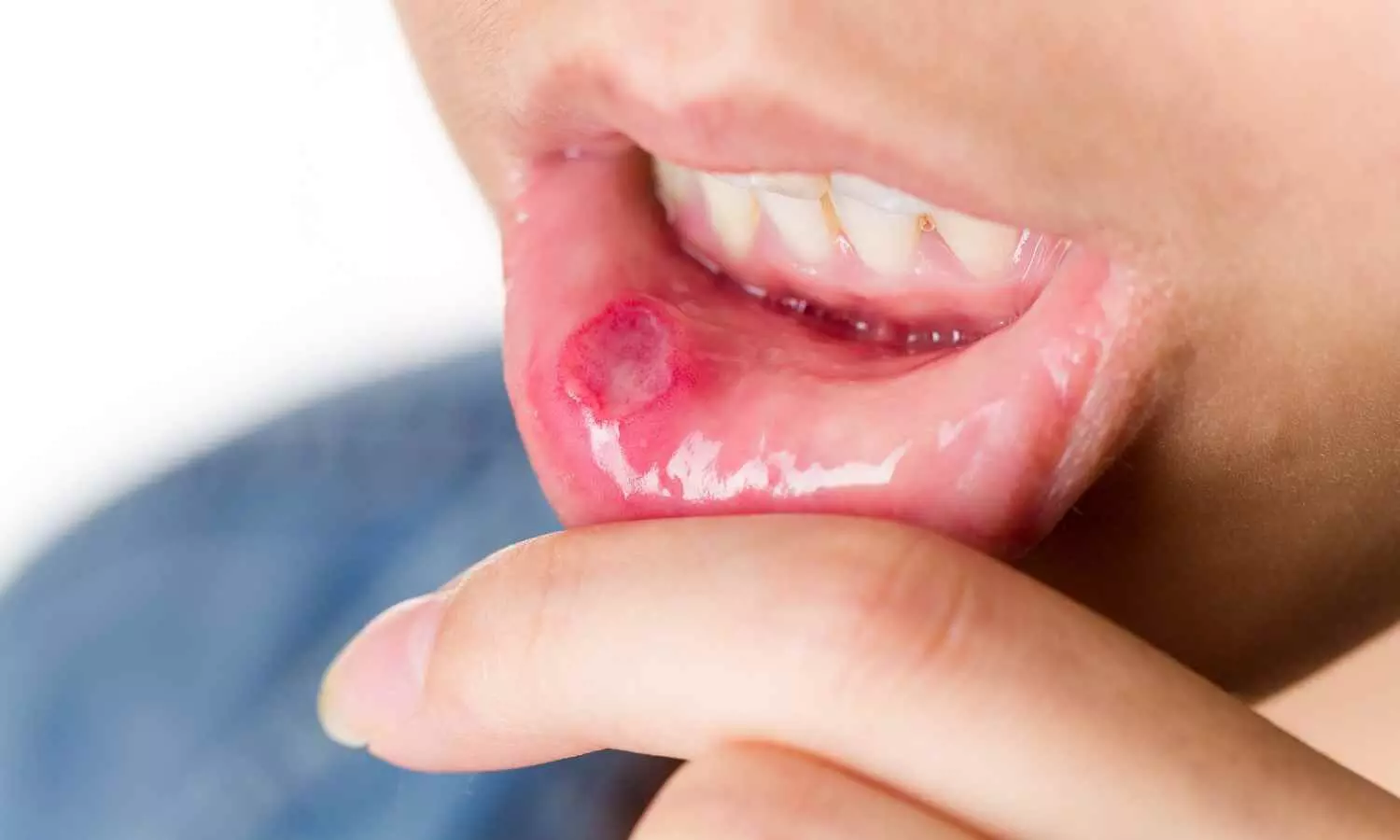
Injecting nivolumab (Opdivo) directly into precancerous oral lesions led to reduction in lesion size and allowed some patients to avoid surgery, according to research from a phase I clinical trial presented at the American Association for Cancer Research (AACR) Annual Meeting 2026, held April 17-22.

Approximately 5% of the general population have precancerous lesions in their mouth that can carry a 1% to 36% risk of progression to oral cancer, depending on the extent of dysplasia (i.e., how abnormal the cells of the lesion are) and other factors, explained presenter Moran Amit, MD, PhD, a surgeon and assistant professor at The University of Texas MD Anderson Cancer Center. Since there are no reliable biomarkers to predict the risk of progression, many patients typically undergo surgical resection of their lesions, but this procedure is associated with high morbidity, he said.

“The mouth is the main conduit to so many different functions, including speaking, eating, drinking, and breathing. Think about the last time you had a sore spot in your mouth, how debilitating that was. Now imagine a patient who has to undergo surgery at many locations in their mouth, over and over again as the lesions recur,” said Amit, noting that about 60% of patients present with multiple lesions and that the risk of recurrence after surgery can be as high as 40%.

“Each time a patient has to undergo surgery, they are losing volume of their oral cavity, most commonly on the tongue. Once you lose a certain amount of your tongue, you cannot articulate anymore, you cannot swallow effectively,” he added. “Because of precancerous lesions, patients can lose their ability to speak and eat. The objective of our study was to find a way to spare patients from this oftentimes debilitating surgery.”

Prior research has indicated that treatment with the immune checkpoint inhibitor nivolumab could reduce the size and progression risk of precancerous oral lesions, but this treatment, which is delivered systemically through intravenous infusion, comes with severe toxicities, said Amit.

“While effective, systemic nivolumab can lead to toxicities that would not be acceptable for patients who do not even have cancer yet,” he noted.

Amit and colleagues reasoned that injecting a lower dose (2% to 4% of the intravenous dose) of nivolumab directly into the oral lesion could effectively treat the lesion without inducing the systemic toxicities associated with intravenous nivolumab.

To test this hypothesis, they conducted a phase I clinical trial to evaluate the safety and efficacy of intralesional nivolumab.

The trial enrolled 29 patients with at least one histologically confirmed, untreated premalignant oral lesion that had a high risk of progression to oral cancer due to its size, location, morphology, or extent of dysplasia, or the patient’s age or medical history. More than half of the lesions were located on the tongue. Fifteen patients had lesions with high-grade (moderate or severe) dysplasia; the remaining 14 patients had low-grade (mild) dysplasia.

Patients received either 10 mg or 20 mg of nivolumab injected directly into one of their oral lesions every three weeks for a total of four cycles. The trial protocol allowed treatment of only one lesion per patient in order to assess whether intralesional nivolumab’s effects would be systemic or restricted to the site of injection. In instances where patients had more than one lesion, the largest lesion was chosen for treatment.

After a median follow-up of 14.5 months after the first injection, 25 of 29 patients (85%) had experienced a clinical response, defined as a decrease in lesion size. Lesion area decreased by an average of 60%, and 19 patients experienced reductions greater than 50%. Clinical responses were observed for lesions that were high-grade and those that were low-grade at baseline. Twelve patients (41%) experienced histologic downgrading of their treated lesion, and six patients had complete pathologic response, meaning their treated lesion had no signs of dysplasia at the time of follow-up. Of the six patients with complete pathologic response, four had moderate dysplasia before treatment, and two had mild dysplasia.

Twelve months after treatment, 82.13% of treated lesions continued to be cancer free. For the six patients whose treated lesions progressed to cancer, the progressions were detected early, and the lesions were surgically removed. None of the patients whose lesions didn’t progress required or opted for surgical resection of their treated lesions during the follow-up time.

Serum levels of nivolumab were consistently 10-fold lower than typically observed with systemic administration. No dose-limiting toxicities occurred with intralesional treatment. The most common adverse events were fatigue, diarrhea, and rash. Mild injection-site reactions occurred in 40% of injections but resolved within 48 hours without intervention. Most adverse events were grade 1 or 2, but there was one case each of grade 3 diarrhea, grade 3 hyperglycemia, and grade 4 acidosis.

All but four enrolled patients completed all treatment cycles and monitoring. Patients’ symptoms, such as those related to swallowing, mouth and throat soreness, voice, communication, taste, and nutrition, either improved or remained stable during treatment and follow-up, according to patient-reported outcomes. Patients reported greater enjoyment of life and increased physical activity after treatment as compared with baseline.

The researchers also examined tissue samples from 23 patients to determine how intralesional nivolumab impacted the immune microenvironment of treated and untreated lesions. They observed immune activation exclusively in the treated lesions, as indicated by greater infiltration of CD4+ T cells, CD8+ T cells, and activated dendritic cells, as well as immune-cell interactions indicative of adaptive immune responses. Untreated lesions from the same patients did not exhibit immune changes, which, according to Amit, suggests that intralesional delivery effectively limited nivolumab’s function to target sites.

“Our findings demonstrate that intralesional delivery of nivolumab is safe, well tolerated, and results in efficacy rates unparalleled by other nonsurgical methods, which allowed us to spare surgery for the majority of patients—spare removal of pieces of their mouth, whether it’s the tongue, the cheek, the floor of their mouth, or their palate,” said Amit. “Even if a patient ends up undergoing surgery later, the average 60% reduction in lesion size from intralesional nivolumab means we can substantially minimize the amount of surgery they’ll need down the road, which would hopefully translate to a much lower impact on their quality of life.”

Amit noted that the findings may have implications beyond oral lesions. “Many cancer types are preceded by precursor lesions, such as those arising on the skin, cervix, or colon. Our results raise the possibility that local immunotherapy administration could be an effective interception strategy for those precancerous lesions as well.”

Limitations of the study include the single-arm design, short follow-up time, and the fact that the study was not statistically powered to assess efficacy.

Reference:

Intralesional nivolumab may be effective against precancerous oral lesions, American Association for Cancer Research, Meeting: American Association for Cancer (AACR) Annual Meeting 2026.

American Association for Cancer ResearchnivolumabOpdivoprecancerousoral cancercancerdysplasia
Dr. Kamal Kant Kohli

Dr Kamal Kant Kohli-MBBS, DTCD- a chest specialist with more than 30 years of practice and a flair for writing clinical articles, Dr Kamal Kant Kohli joined Medical Dialogues as a Chief Editor of Medical News. Besides writing articles, as an editor, he proofreads and verifies all the medical content published on Medical Dialogues including those coming from journals, studies,medical conferences,guidelines etc. Email: drkohli@medicaldialogues.in. Contact no. 011-43720751

Show Full Article
Next Story

Editorial

Metformin: Anchor in the Metabolic Journey of Prediabetes Care- Dr Dwaipayan Deb

Metformin: Anchor in the Metabolic Journey of Prediabetes Care- Dr Dwaipayan Deb

Strengthening Adult Immunization in India: PCV20 and the Changing Landscape of Pneumococcal Disease Prevention

Strengthening Adult Immunization in India: PCV20 and the Changing Landscape of Pneumococcal Disease...

Efficacy and Safety of Injectable Semaglutide in Indian Patients with Type 2 Diabetes: Findings from a Phase III Study Presented at IDS 2026

Efficacy and Safety of Injectable Semaglutide in Indian Patients with Type 2 Diabetes: Findings from...

Clopidogrel for Long-Term Therapy After PCI, Findings from 10-Year HOST-EXAM: ACC 2026 Update

Clopidogrel for Long-Term Therapy After PCI, Findings from 10-Year HOST-EXAM: ACC 2026 Update

AI in Healthcare: From Power to Responsibility

AI in Healthcare: From Power to Responsibility

View All

Journal Club Today

Harvard Study Reveals Gut Bacteria May Influence Depression Risk via Inflammation

Harvard Study Reveals Gut Bacteria May Influence Depression Risk via Inflammation

View All

Health News Today

Health Bulletin 30/April/2026

Health Bulletin 30/April/2026

View All
© 2022 All Rights Reserved.
Powered By: Hocalwire
X
We use cookies for analytics, advertising and to improve our site. You agree to our use of cookies by continuing to use our site. To know more, see our Cookie Policy and Cookie Settings.Ok