Oral Biofluid Metabolomics May Improve Periodontitis Diagnosis and Disease Activity Monitoring: Review
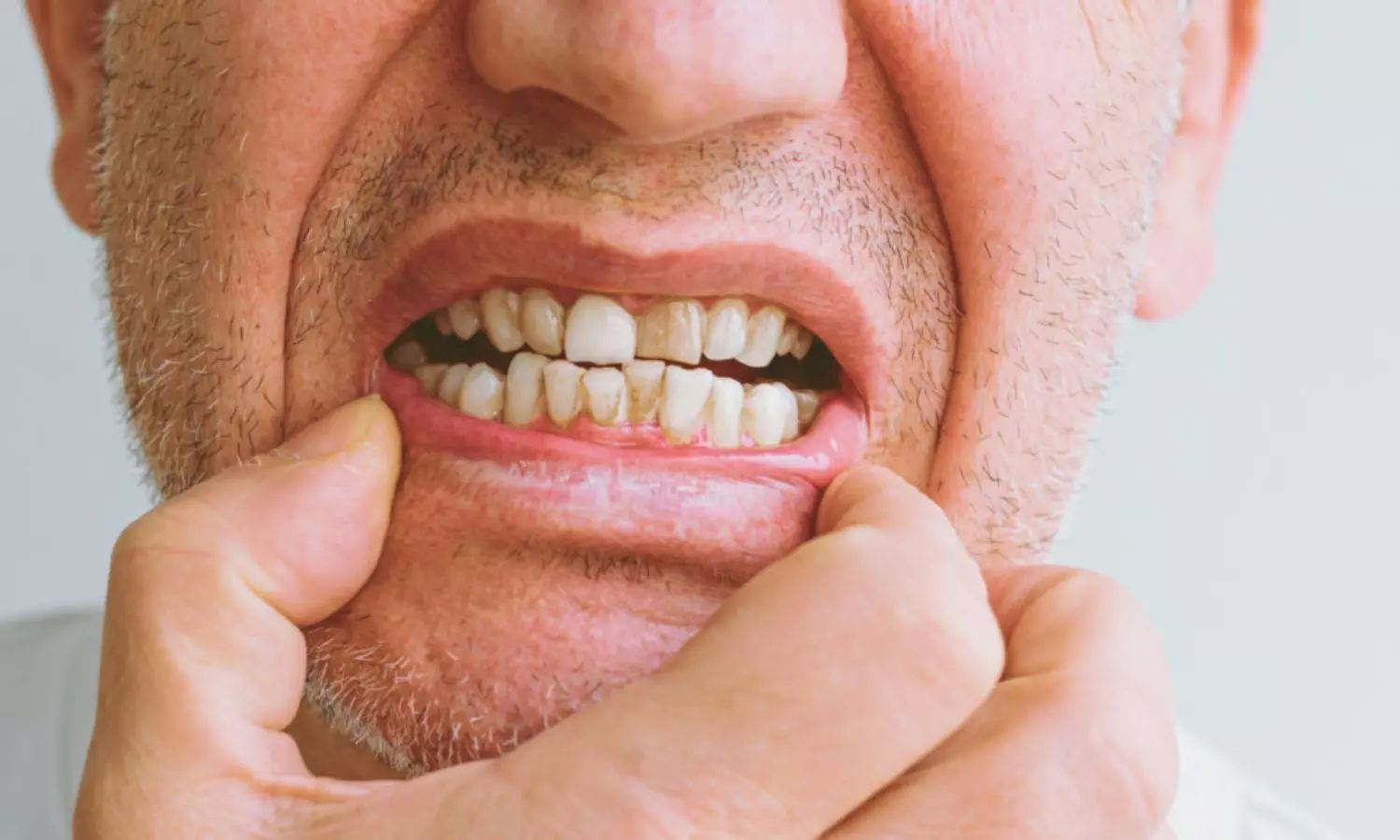


A recent narrative review published in the Indian Journal of Dental Sciences in May 2026 reveals that profiling small oral biofluid metabolites up to 1500 Daltons offers unprecedented precision in predicting periodontitis activity. This cutting-edge metabolomic approach promises to transform disease staging and personalized care for the 10% of the global population affected.
Although conventional periodontal diagnostics rely on traditional clinical examinations including probing depth, bleeding on probing, and radiographic alveolar bone loss assessment, these historical methods only document past structural breakdown rather than active destruction because clinical phenotypes fail to match underlying biological phenotypes. To bridge this critical diagnostic gap, Dr. Manasi Yewale and colleagues from the Departments of Periodontology, Prosthodontics, and Orthodontics at Bharati Vidyapeeth Dental College and Hospital, Pune, conducted a comprehensive narrative review to evaluate the clinical implementation and diagnostic utility of omics-based metabolomic technologies in modern precision periodontics.
Therefore, the narrative review evaluated metabolites in saliva, gingival crevicular fluid (GCF), and dental plaque across healthy individuals and periodontitis patients using nuclear magnetic resonance (NMR) spectroscopy and mass spectrometry. It identified key metabolic signatures distinguishing health from disease and tracked biomarker shifts following non-surgical periodontal therapy (NSPT).
Key Clinical Findings of the Review Include:
- Salivary Therapeutic Fingerprints: Investigators noted that NMR spectroscopy identified significant shifts in the salivary metabolic profile of chronic periodontitis patients three months after NSPT, though post-treatment signatures remained distinct from healthy controls.
- GCF Discriminatory Profiles: Authors highlighted that GCF from periodontitis patients exhibited significantly reduced concentrations of lactate, pyruvate, and N-acetyl groups alongside marked elevations in proline, phenylalanine, and tyrosine compared to healthy individuals.
- Plaque Inflammatory Markers: Researchers observed that high periodontal inflamed surface area (PISA) values correlated with elevated plaque metabolic byproducts, specifically cadaverine, 5-oxoproline, spermidine, valine, and 5-hydrocinnamate.
- Salivary Diagnostic Biomarkers: Reviewers identified key salivary metabolites, including urea, beta-alanine, and 3-aminoisobutyric acid, as reliable indicators for distinguishing aggressive from chronic periodontitis across adult populations.
- Inflammatory Mediator Elevation: Investigators reported that acute periodontal inflammation significantly elevates pro-inflammatory mediator concentrations, specifically Interleukin-1 (IL-1) and Prostaglandin E2 (PGE2), directly driving osteoclastogenesis and localized alveolar bone loss.
The results suggest that metabolomic profiling of small-molecule byproducts up to 1500 Da provides a highly sensitive, objective approach for staging periodontal disease activity and predicting subgingival microbial dysbiosis. Furthermore, integrating these biofluid signatures into clinical workflows enhances long-term prognostic evaluations for the ten percent of the global population suffering from severe periodontitis.
Thus, the review concludes that clinicians may utilize salivary and GCF metabolomic signatures as complementary chairside diagnostic tools to transition from empirical treatment models toward personalized periodontal care for patients.
While current clinical adoption is constrained by high experimental costs, potential sample degradation during transport, and analytical quantification hurdles, ongoing longitudinal research focusing on multi-platform data integration promises to refine these diagnostic technologies for routine clinical practice.
Reference
Yewale M, Bhosale N, Dodwad V, Kalsekar B, Pawar A. Metabolomics – Panacea for Periodontal Diseases. Indian Journal of Dental Sciences. 2026; Published online May 25,