
Secondhand Smoke Exposure in Early Life Raises Childhood Dental Caries Risk: Study
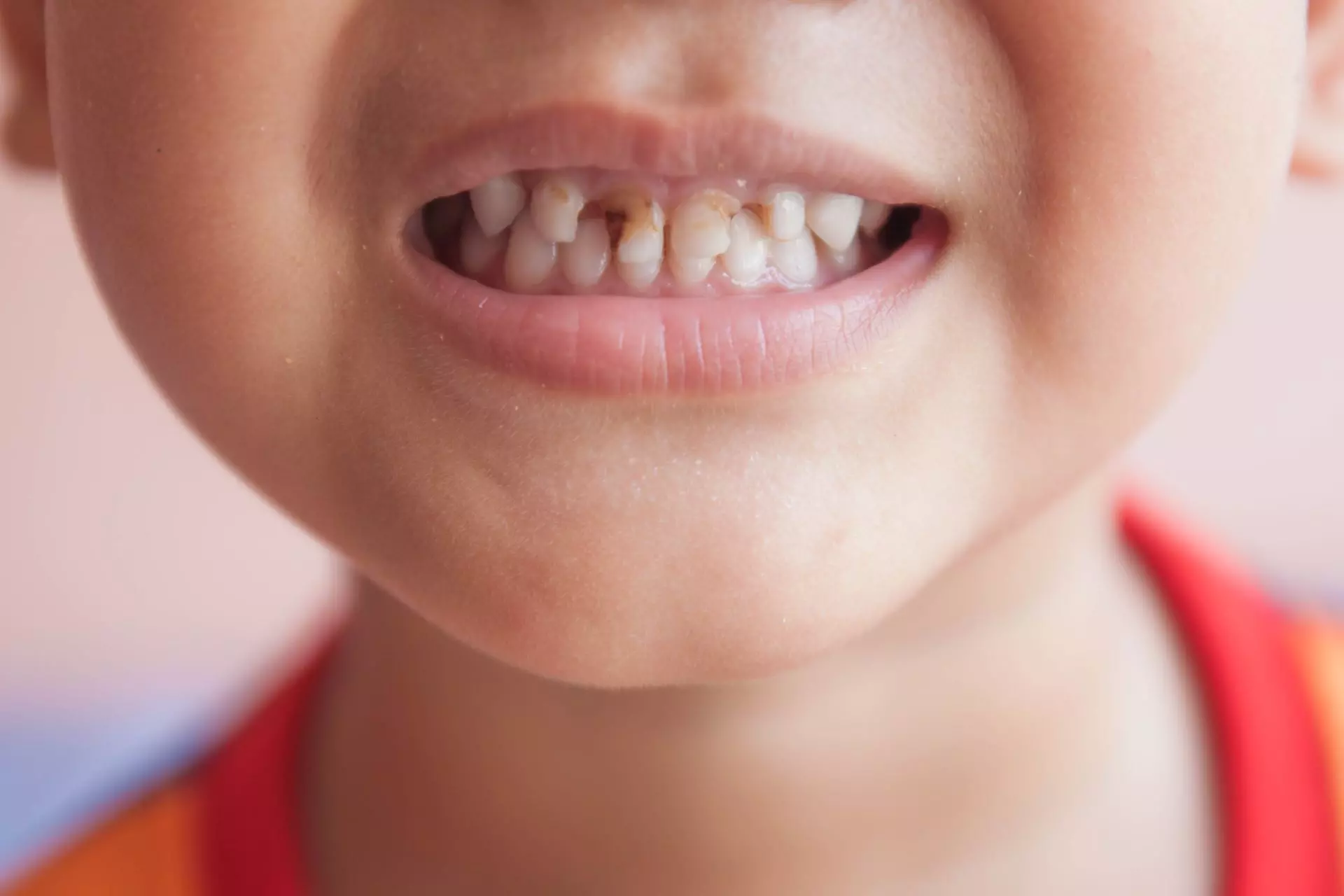


A new study published in the Journal of Dentistry revealed that exposure to secondhand smoke (SHS) during pregnancy and early childhood was associated with increased odds of developing dental caries in children. These findings highlight SHS as an important oral health risk factor and emphasize the need for integrated strategies that combine environmental smoke prevention with pediatric oral health care.
Early childhood caries (ECC) can lead to pain, infection, difficulty eating, and long-term dental problems. While secondhand smoke has previously been associated with respiratory and developmental complications, studies pointing to its role in childhood dental disease has received less attention.
As a part of the HAPIN birth cohort trial this study was conducted between 2018 and 2020 in southern India. This research followed mothers and children over several years, collecting detailed information on environmental exposure, lifestyle factors, and health outcomes. Between April and September 2023, trained dentists evaluated dental health in children aged 3 to 5 years using standardized clinical assessments.
Among the 712 children included in the analysis, nearly 67.2% were diagnosed with early childhood caries. This research measured secondhand smoke exposure through both questionnaires and laboratory analysis of urinary nicotine metabolites, including cotinine and 3-hydroxycotinine, which provide objective markers of tobacco smoke exposure.
The children exposed to secondhand smoke during pregnancy had significantly higher rates of dental caries when compared with unexposed children. Also, the second trimester was identified as a particularly sensitive exposure window.
Statistical analysis revealed that prenatal secondhand smoke exposure increased caries prevalence by approximately 29%. Postnatal exposure during early childhood also raised the risk, though slightly less strongly. Children whose fathers smoked 11 or more cigarettes per day had nearly double the odds of developing early childhood caries when compared to the children of nonsmoking fathers.
Higher smoke exposure was associated with greater caries risk, where the strongest associations were observed during pregnancy, which suggests that prenatal exposure may influence tooth development even before birth. Children classified as “slow metabolizers” of nicotine showed increased susceptibility to secondhand smoke exposure during the third trimester of pregnancy.
Also, tobacco smoke exposure has been linked to altered immune responses, reduced saliva protection, changes in oral bacterial populations, and impaired tooth mineralization during development.Overall, the study suggest that protecting pregnant individuals and young children from secondhand smoke may play a crucial role in improving pediatric oral health outcomes.
Reference:
Patil, S. S., Cardenas, A., Pillarisetti, A., Steenland, K., Patil, S. S., Nuvvula, S. K., Navilebasappa, A., Ghosh, S., Balakrishnan, K., Waller, L. A., Jabbarzadeh, S., Peel, J., Clasen, T. F., Barr, D. B., & Puttaswamy, N. (2026). Dental caries linked to gestational and early-life secondhand smoke exposure. Journal of Dentistry, 106743, 106743. https://doi.org/10.1016/j.jdent.2026.106743

