Behavioral Therapy Combined With Standard Treatment Reduces Chronic Itching and Skin Thickening by Nearly 80%, Pilot Study Finds
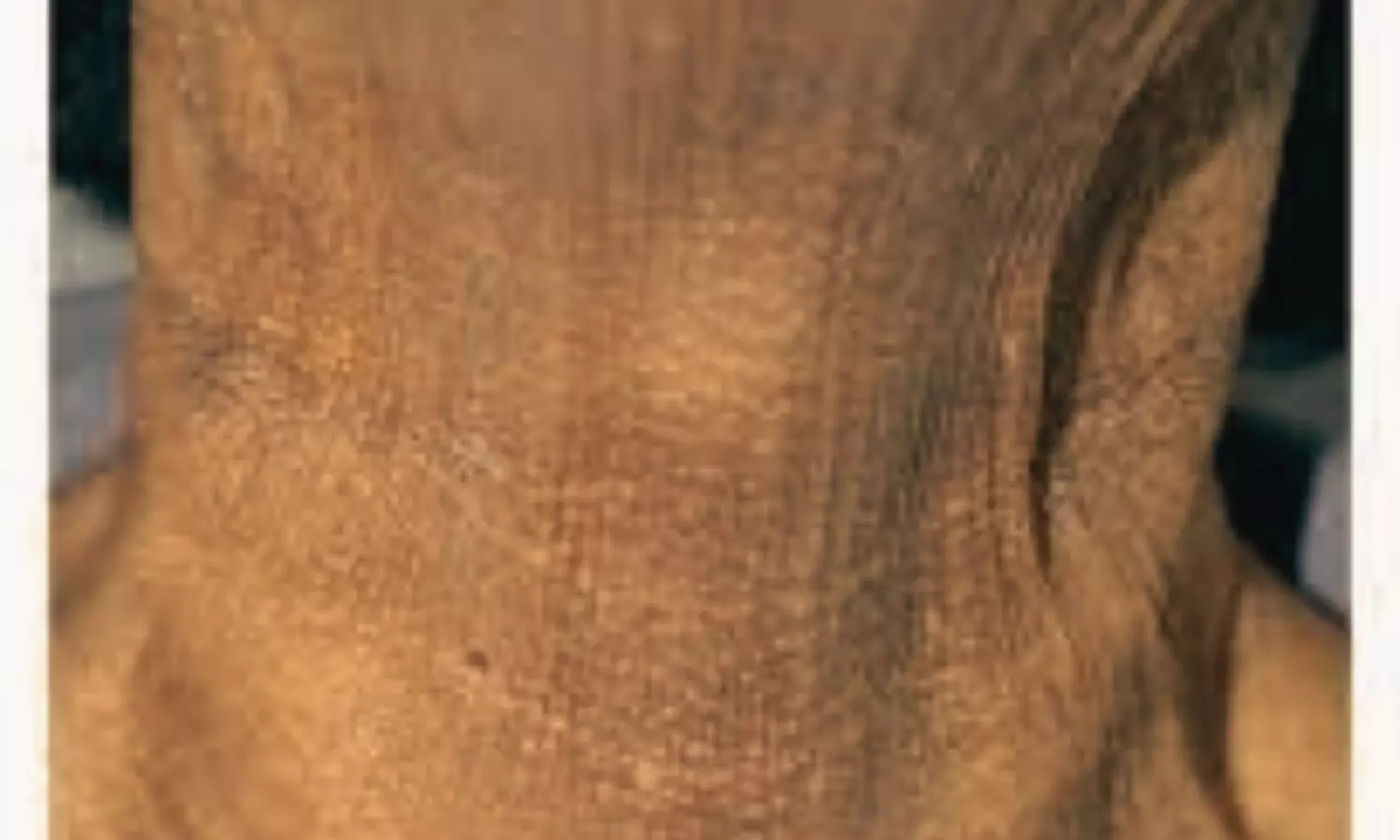


A recent randomized pilot study published in the Indian Journal of Dermatology in April 2026 reveals that combining simple psychological behavioral techniques with conventional medical therapies reduces chronic itching and skin thickening scores by nearly 80%.
Lichen simplex chronicus (LSC) is a neurodermatitis driven by a chronic itch-scratch cycle. Although habit reversal training benefits other pruritic conditions, its evidence base in LSC remains limited. To address this clinical gap, Dr. Kansal and researchers at AIIMS Rishikesh evaluated the efficacy of adding structured habit reversal therapy to standard pharmacotherapy for LSC management.
Therefore, the three-month, single-blinded pilot study randomized 34 adult patients to evaluate standard dermatological care (topical clobetasol, oral hydroxyzine, and emollients) with or without adjunctive behavioral training. Excluding individuals with psychiatric or systemic pruritic disorders, the trial measured improvements in clinical severity—specifically itching, skin induration, and hyperpigmentation—as well as patient quality of life (DLQI).
Key Clinical Findings of he Study Includes:
• Symptom Resolution: The adjunctive behavioral intervention drastically lowered average clinical severity scores from 8.00 to 1.67, notably outperforming the standard control group's reduction to 3.57.
• Quality of Life: The psychological intervention triggered an impressive 92% reduction in the DLQI score (5.88 to 0.47), compared to a 60% drop in patients receiving only standard medications.
• Behavioral Control: The daily scratching frequency plummeted significantly to just 0.47 episodes in the interventional group, compared to 2.07 in the control group.
• Cutaneous Healing: Significant comparative improvements were uniquely observed in the interventional cohort regarding the clearance of severe skin induration and exaggerated skin markings by the final follow-up.
• Safety Profile: Treatment compliance remained exceptionally high across the board with absolutely no adverse events reported, offering a major takeaway for healthcare providers (HCPs) treating stubborn cases.
The results suggest that integrating psychological habit-breaking techniques alongside standard topical and oral treatments can decrease clinical severity scores to 1.67 and nearly eliminate scratching episodes, proving highly beneficial for chronic skin conditions. This impressive data clearly highlights the profound value of dual-action therapies that target both the physical and mental components of the disease.
Thus, the study concludes that teaching patients simple, physically competing responses—such as clenching fists to prevent scratching—offers treating dermatologists a highly effective, cost-free adjunctive tool to holistically manage stubborn pruritic ailments in everyday practice.
While these initial outcomes are incredibly promising, the tertiary-care setting bias and the relatively brief three-month follow-up period highlight a gentle need for broader, long-term multicenter investigations to fully establish these behavioral protocols as universal standards of care.
Reference
Kansal NK, Anuragi RP, Bhatia R, Rawat VS, Narang T, Hazarika N. Adjunctive habit reversal therapy in the treatment of lichen simplex chronicus (Neurodermatitis): A comparative, pilot study. Indian J Dermatol 2026;71:103-8.