Doxycycline and Botulinum Toxin Type A tied to Superior Erythema Control in Rosacea: RCT Finds
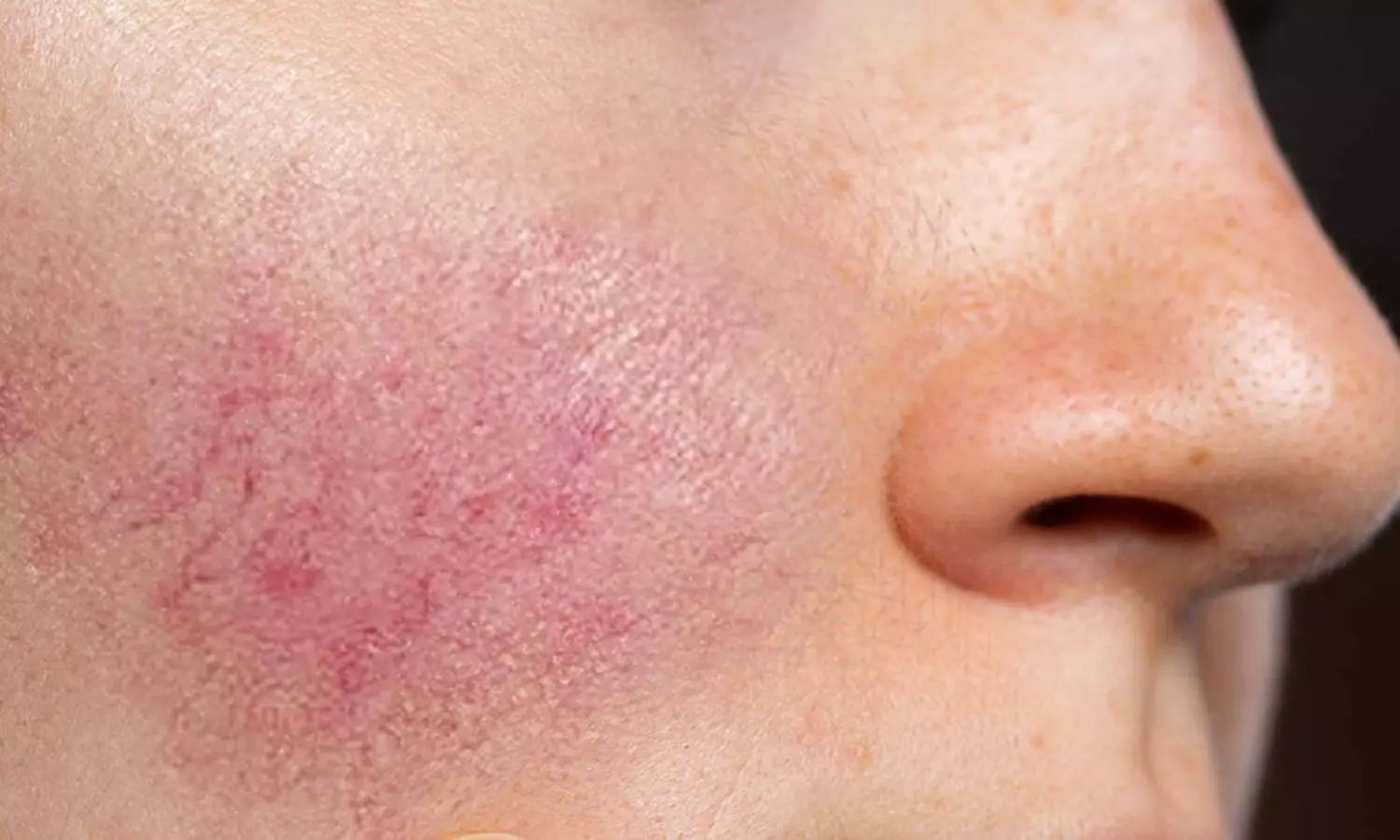


A recent randomized, controlled trial published in the Indian Journal of Dermatology in March 2026 reveals that combining oral doxycycline with intradermal botulinum toxin type A (BTX) achieves a 6.90-point Clinician Erythema Assessment improvement, significantly outperforming the 1.90-point gain from standard monotherapy. This breakthrough synergy offers clinicians a superior, dual-action strategy for effectively neutralizing persistent facial redness and flushing in moderate-to-severe rosacea.
While oral doxycycline is the first-line systemic treatment for inflammatory rosacea lesions, it often fails to manage persistent erythema and flushing. Addressing this clinical gap, Dr. Doanh H. Le and colleagues from the National Hospital of Dermatology and Venereology and Hanoi Medical University evaluated whether combining systemic doxycycline with intradermal BTX type A could more effectively treat the comprehensive symptoms of moderate-to-severe cases.
Therefore, the randomized, controlled, blinded trial in Vietnam evaluated 46 adults with moderate-to-severe rosacea over a one-year period. Participants were assigned to either combination therapy—oral doxycycline plus a single intradermal dose of BTX type A (10 units/mL)—or doxycycline with a normal saline control. The systemic regimen involved 100 mg of doxycycline twice daily for one month, followed by 100 mg once daily for two months, excluding patients with pregnancy or neuromuscular disorders. Primary outcomes tracked the Clinician Erythema Assessment and Global Flushing Severity Score, while secondary measures included the Investigator Global Assessment and Dermatology Life Quality Index.
Key Clinical Findings of the Study Include:
• Superior Erythema Control: The study demonstrated that patients receiving combination therapy achieved a significantly greater mean reduction in CEA scores of 6.90 ± 0.56 at three months, whereas the monotherapy group only saw a modest improvement of 1.90 ± 0.41 (P < 0.001).
• Effective Flushing Mitigation: The study observed that the Global Flushing Severity Score significantly improved only in the combination group, suggesting that the neuromodulatory action of BTX effectively blocks the vasodilatory neurotransmitters responsible for sudden facial warming (P < 0.05)
• Enhanced Lesion Clearance: The study reported a dramatic drop in IGA scores from 2.50 to 0.20 in the combination arm, reflecting near-complete clearance of inflammatory papules and pustules compared to the 1.30 final score in the monotherapy group (P < 0.001)
• Improved Quality of Life: The study found that the Dermatology Life Quality Index scores decreased more substantially in the combination group across all follow-up intervals, indicating that comprehensive symptom relief directly correlates with improved patient psychological health (P < 0.05)
• Vascular Structural Stability: The study noted that neither treatment significantly altered the degree of telangiectasia, confirming that fixed, dilated vessels likely require light-based interventions rather than pharmacological or neuromodulatory approaches.
The results suggest that the dual-modality approach of combining oral doxycycline with intradermal BTX type A is far more effective than doxycycline alone at reducing persistent erythema, flushing, and inflammatory lesions (IGA 0.20 vs. 1.30) in patients with moderate-to-severe rosacea.
Thus, the study concludes that medical practitioners could consider incorporating localized intradermal injections as an adjunctive treatment to systemic therapy to provide more holistic management for patients struggling with the vascular symptoms of the disease.
While these preliminary results are encouraging, the study was limited by a relatively small sample size of 46 individuals, and there is a mild need for further research involving larger cohorts and longer follow-up periods to establish the optimal timing for re-treatment and long-term maintenance protocols.
Reference
Nguyen TT, Le DH, Vu HT, Vu LH, Vu MN, Pham PT. Combination therapy with oral doxycycline and intradermal botulinum toxin type A for moderate-to-severe rosacea: A randomized controlled trial. Indian J Dermatol 2026;71:135-41.