
Not just insulin: early increases in glucagon in type 2 diabetes are linked to fatty liver disease
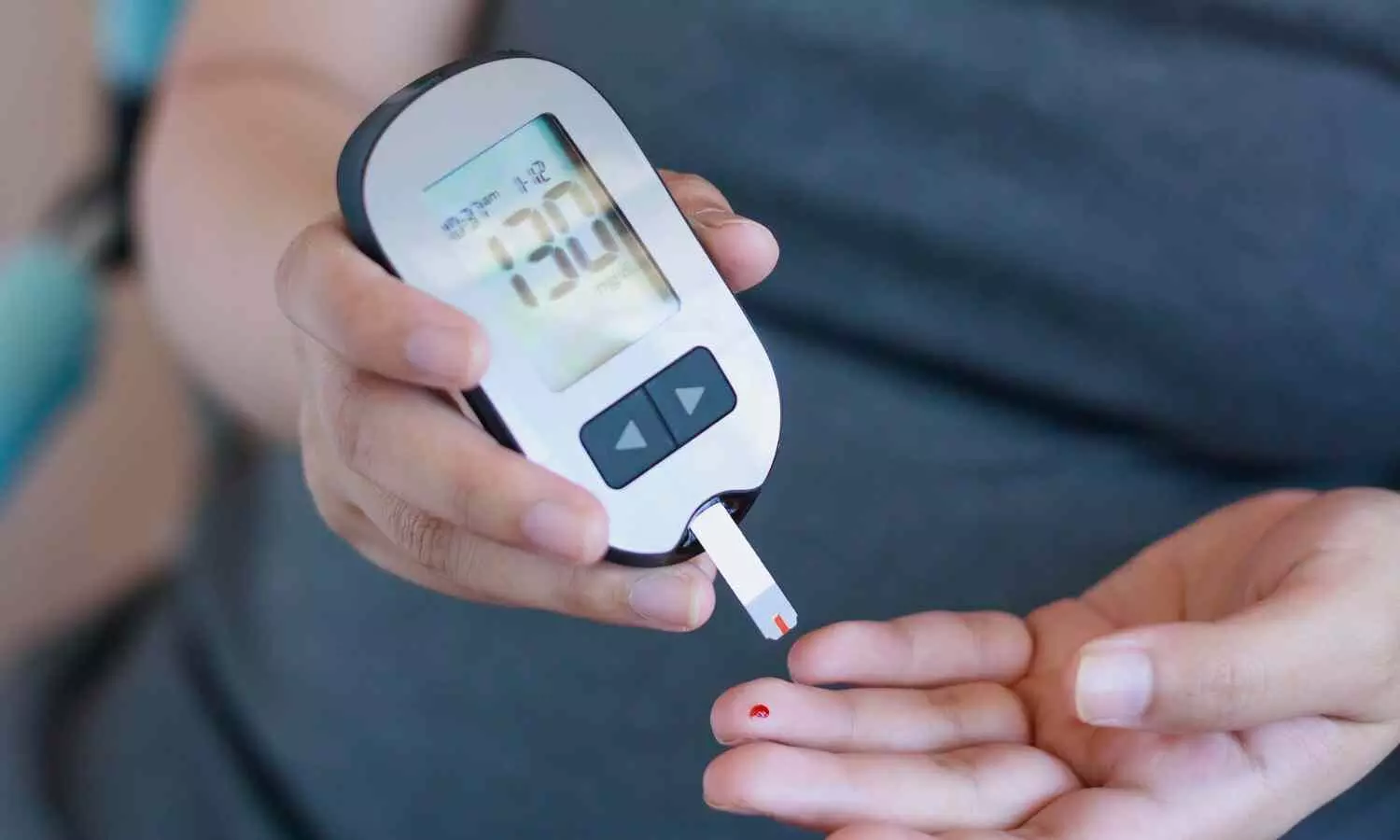


Until now, research into type 2 diabetes has focused primarily on insulin: if the body’s cells become less responsive to the hormone produced in the pancreas, blood glucose levels rise over the long term. A recent study by the German Diabetes Centre now shows that levels of the hormone glucagon are also elevated at an early stage. The researchers were able to demonstrate that elevated glucagon levels are associated with Metabolic Dysfunction-Associated Steatotic Liver Disease (MASLD), commonly known as fatty liver disease – a common comorbidity of type 2 diabetes. The findings raise new questions that could be relevant for the development of future therapies.
Type 2 diabetes is one of the most common metabolic disorders worldwide. The reduced effectiveness of the hormone insulin – known as insulin resistance – leads to persistently elevated blood glucose levels. At the same time, however, it has long been known that the counterregulatory hormone glucagon is also elevated in many people with type 2 diabetes and contributes to increased glucose production in the liver. Glucagon ensures that the liver releases glucose into the blood. In people without type 2 diabetes, insulin and glucagon are finely balanced. If this equilibrium is disrupted, it can significantly affect blood glucose levels. The researchers sought to clarify whether elevated glucagon levels occur shortly after the diagnosis of type 2 diabetes and what role fatty liver disease plays in this.
For the study, recently published in the international peer-reviewed journal Diabetes Care, researchers at the German Diabetes Centre (DDZ) analysed blood samples and metabolic parameters from 50 adults with newly diagnosed type 2 diabetes and 50 adults with normal blood glucose metabolism. The study was based on data from participants in the German Diabetes Study – the largest ongoing study of newly diagnosed diabetes in adults in Europe.
The liver may be less sensitive to glucagon
The findings show that, within the first year of diagnosis, people with type 2 diabetes have glucagon levels following a meal that are around 75 per cent higher than those of people without type 2 diabetes. Notably, this increase is closely linked to the fat content of the liver – and not, as has often been assumed, to insulin resistance or specific metabolic products in the blood. “Our findings highlight that type 2 diabetes should not be viewed solely from the perspective of insulin action. The liver and the regulation of glucagon play a special role in metabolism,” explains Professor Michael Roden, Scientific Director and Spokesperson of the Board of the DDZ, as well as Director of the Department of Endocrinology and Diabetology at Düsseldorf University Hospital.
Previous studies suggest that fat stored in liver cells could impair the action of glucagon. The new data support this assumption and point to ‘hepatic glucagon resistance’. This means that the liver may be less sensitive to glucagon, prompting the body to release more of it. The findings are also clinically relevant, as new classes of drugs in clinical trials specifically target the glucagon system – with the aim, among other things, of treating fatty liver disease.
Early detection of fatty liver disease as the key to diabetes prevention
The findings are also relevant for people with fatty liver disease. They highlight how closely liver health and blood glucose metabolism are linked. “Early treatment of fatty liver disease could help reduce the risk of type 2 diabetes. Early detection and screening of at-risk groups are crucial for this,” explains Maximilian Huttasch, research physician at the Institute for Clinical Diabetology at the DDZ and lead author of the study. Further investigations are now needed to clarify whether there is indeed a reduced glucagon effect in the liver – and if so, whether it can be specifically targeted for therapeutic intervention.
Reference:
Maximilian Huttasch, Sabine Kahl, Tim Mori, Geronimo Heilmann, Martin Schön, Sandra Trenkamp, Yuliya Kupriyanova, Vera Schrauwen-Hinderling, Nicolai Jacob Wewer Albrechtsen, Philipp Westhoff, Patrick Schrauwen, Robert Wagner, Michael Roden, GDS Group*; Increased Early Postprandial Glucagon Concentrations in Humans With Newly Diagnosed Type 2 Diabetes and Steatotic Liver Disease. Diabetes Care 2026; dc253077. https://doi.org/10.2337/dc25-3077
