Sitagliptin-Metoprolol Combination Shows promise in Elderly T2DM and Hypertension Patients: Study
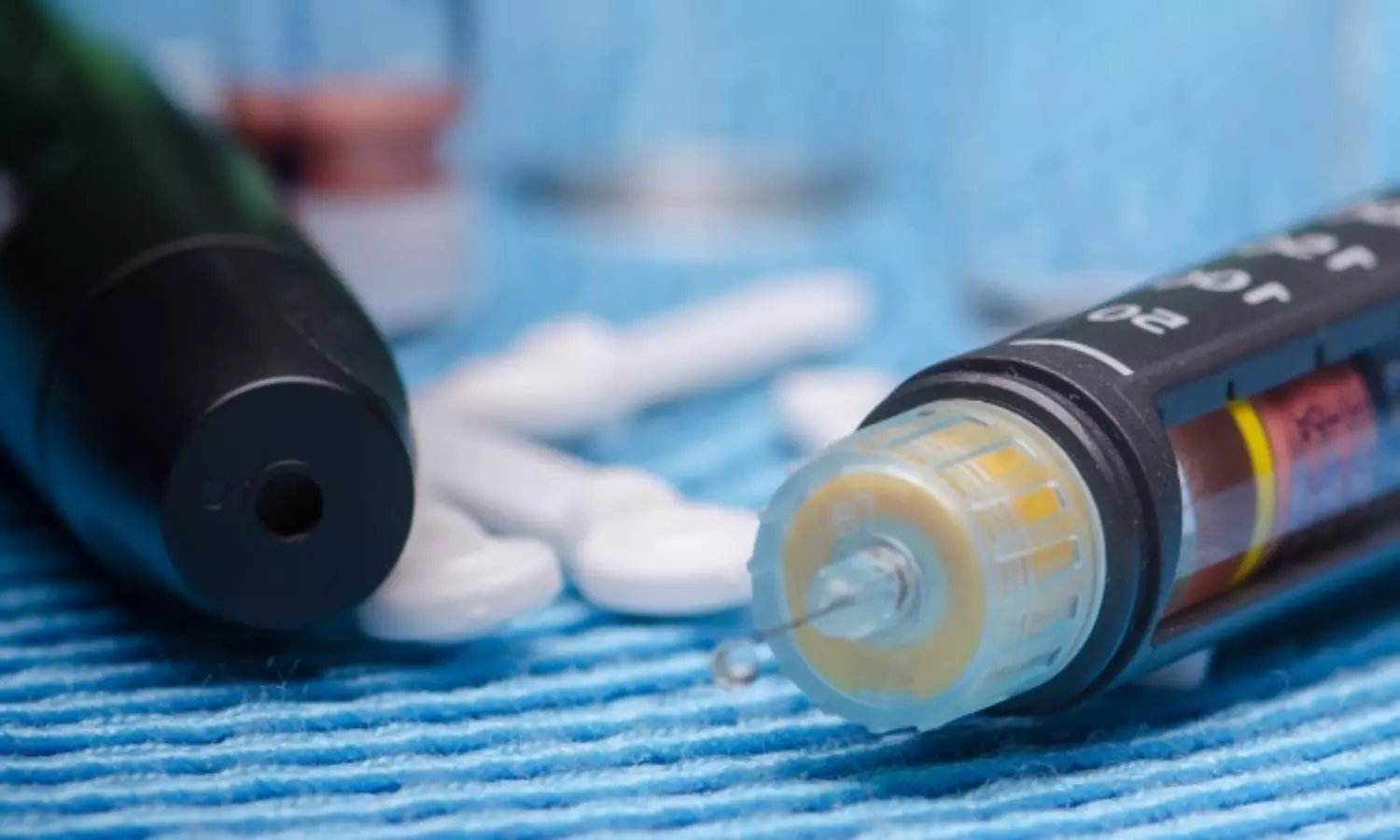


A new study published in the journal of Open Medicine revealed that short-term observation of a combined sitagliptin and metoprolol regimen demonstrates significant clinical benefits for elderly patients suffering from type 2 diabetes mellitus (T2DM) and comorbid hypertension.
The combination therapy effectively improved blood glucose levels and blood pressure while simultaneously reducing inflammation and enhancing coagulation and liver-kidney functional markers. Importantly, the dual-action approach showed a favorable safety profile with no significant increase in short-term adverse reactions. However, the authors caution that as a single-center, small-sample retrospective study, these initial findings should be viewed as preliminary clinical evidence requiring further validation through larger, randomized controlled trials.
The study included medical records from 52 elderly patients with T2DM and hypertension treated between June 2021 and March 2024. This research divided the patients into two groups based on their treatment regimens, where 26 received sitagliptin along with metoprolol, and the remaining 26 received sitagliptin alone. Following 12 weeks of treatment, this study compared therapeutic outcomes, baseline characteristics, and biochemical indicators between the groups.
Both treatment groups demonstrated significant improvements across several clinical and biochemical measures after the treatment period. However, patients receiving the combination therapy experienced greater improvements in key indicators of diabetes and hypertension management. When compared to the patients receiving sitagliptin alone, those treated with both medications had lower fasting plasma glucose (FPG), glycated hemoglobin (HbA1c), systolic blood pressure (SBP), and diastolic blood pressure (DBP) levels.
Levels of C-reactive protein (CRP), neutrophil-to-lymphocyte ratio (NLR), and fibrinogen (Fib) were lower, while prothrombin time (PT) and activated partial thromboplastin time (APTT) were higher than those observed in the sitagliptin-only group. These findings indicate changes in laboratory markers associated with inflammation and blood coagulation, although their long-term clinical significance remains uncertain.
Also, favorable changes in lower serum creatinine (Scr) and blood urea nitrogen (BUN) levels were observed. Although these findings may suggest improvements in certain biochemical measures, they do not establish that the combination protects kidney function or prevents diabetes-related complications.
The incidence of adverse events did not differ significantly between the two groups during the 12-week observation period. This suggests that the addition of metoprolol was not associated with a detectable increase in short-term adverse events in this small patient sample.
Overall, sitagliptin combined with metoprolol may provide broader short-term clinical benefits for elderly patients with T2DM and hypertension than sitagliptin alone. Larger, prospective, randomized controlled trials with longer follow-up are needed to confirm the results and establish the combination’s long-term efficacy and safety.
Source:
Dai, X., & Yu, J. (2026). Safety study of sitagliptin combined with metoprolol on the treatment of elderly patients with type 2 diabetes mellitus and hypertension. Open Medicine (Warsaw, Poland), 21(1), 20261538. https://doi.org/10.1515/med-2026-1538