
- Home
- Medical news & Guidelines
- Anesthesiology
- Cardiology and CTVS
- Critical Care
- Dentistry
- Dermatology
- Diabetes and Endocrinology
- ENT
- Gastroenterology
- Medicine
- Nephrology
- Neurology
- Obstretics-Gynaecology
- Oncology
- Ophthalmology
- Orthopaedics
- Pediatrics-Neonatology
- Psychiatry
- Pulmonology
- Radiology
- Surgery
- Urology
- Laboratory Medicine
- Diet
- Nursing
- Paramedical
- Physiotherapy
- Health news
- Fact Check
- Bone Health Fact Check
- Brain Health Fact Check
- Cancer Related Fact Check
- Child Care Fact Check
- Dental and oral health fact check
- Diabetes and metabolic health fact check
- Diet and Nutrition Fact Check
- Eye and ENT Care Fact Check
- Fitness fact check
- Gut health fact check
- Heart health fact check
- Kidney health fact check
- Medical education fact check
- Men's health fact check
- Respiratory fact check
- Skin and hair care fact check
- Vaccine and Immunization fact check
- Women's health fact check
- AYUSH
- State News
- Andaman and Nicobar Islands
- Andhra Pradesh
- Arunachal Pradesh
- Assam
- Bihar
- Chandigarh
- Chattisgarh
- Dadra and Nagar Haveli
- Daman and Diu
- Delhi
- Goa
- Gujarat
- Haryana
- Himachal Pradesh
- Jammu & Kashmir
- Jharkhand
- Karnataka
- Kerala
- Ladakh
- Lakshadweep
- Madhya Pradesh
- Maharashtra
- Manipur
- Meghalaya
- Mizoram
- Nagaland
- Odisha
- Puducherry
- Punjab
- Rajasthan
- Sikkim
- Tamil Nadu
- Telangana
- Tripura
- Uttar Pradesh
- Uttrakhand
- West Bengal
- Medical Education
- Industry
Higher fibre intake may improve High Bowel Symptom Burden in CRC Survivors: JAMA
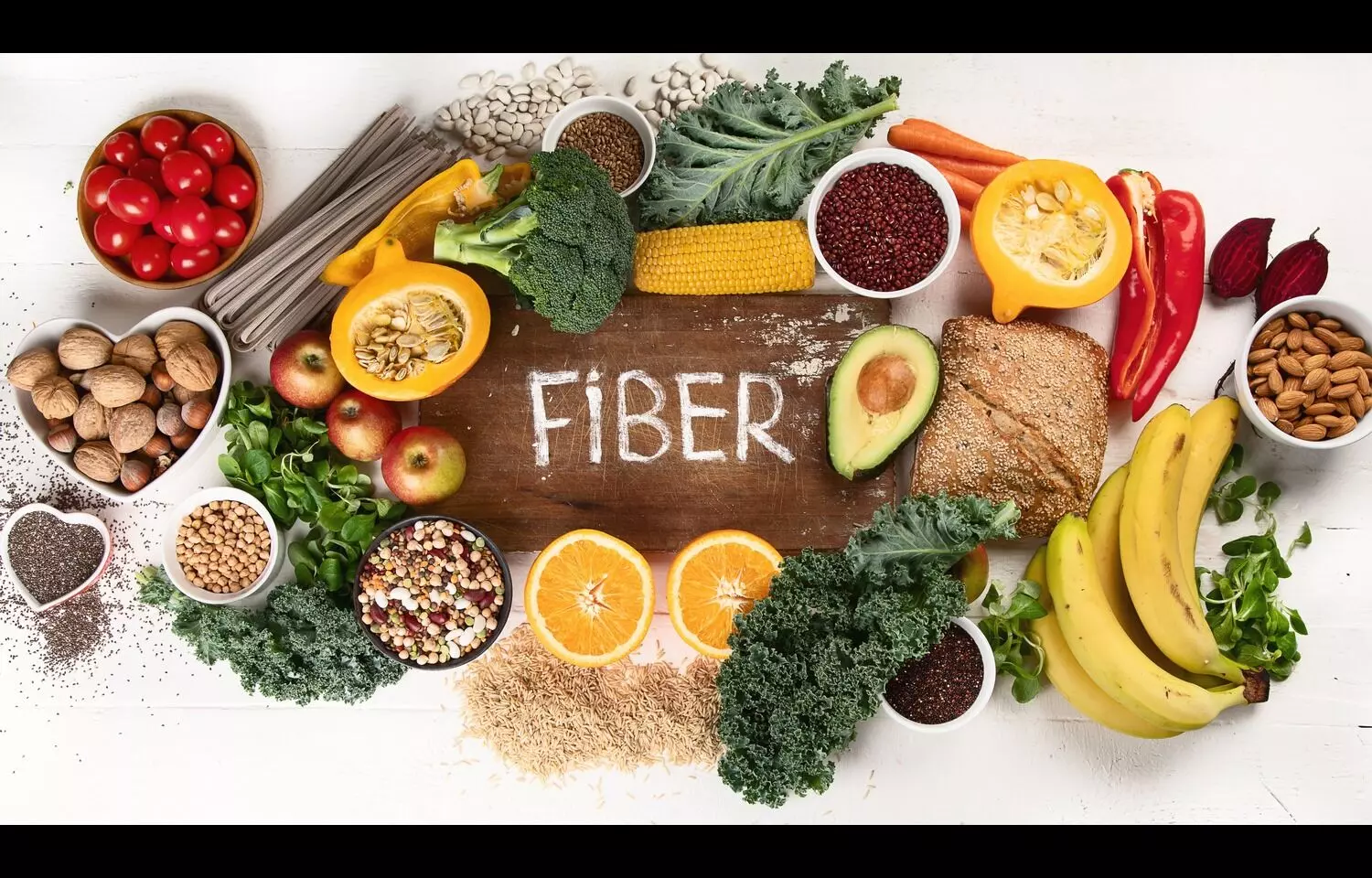
A recent cohort study published in JAMA Network Open by Klaassen-Dekker and colleagues has shown that bowel-related symptoms persist for years after a colorectal cancer diagnosis and treatment. The research followed a large group of survivors for up to five years and found that nearly half reported symptoms such as diarrhea, urgency, or mucus in stools six months post-diagnosis, with more than one-third still affected five years later. Importantly, the study revealed that higher dietary fibre intake was associated with a lower prevalence of diarrhea, suggesting that diet may play a key role in improving quality of life for colorectal cancer survivors.
The study analysed survivors recruited at diagnosis and followed them at 6 months, 2 years and 5 years after surgery. Patients who reported higher fibre intake—estimated from validated questionnaires—showed significantly reduced rates of moderate to severe diarrhea at the 6-month and 2-year time points. The researchers emphasised that this was independent of major treatment differences, such as chemotherapy or radiotherapy, and that dietary modification may offer a non-pharmacological strategy to manage long-term bowel dysfunction after cancer therapy.
Clinically, these findings suggest that dietary counselling and nutritional support should become standard components of survivorship care in colorectal cancer. Given the high burden of persistent bowel symptoms and their impact on quality of life, healthcare teams should emphasise fibre-rich diets as part of long-term follow-up. While further research is needed to define optimal fibre amounts and to explore effects on other gut symptoms, the evidence supports integrating nutrition into post-cancer care for better patient outcomes.

Keywords:
colorectal cancer survivors, bowel symptoms, dietary fibre intake, diarrhea, cancer survivorship, nutritional counselling
Dr. Shravani Dali has completed her BDS from Pravara institute of medical sciences, loni. Following which she extensively worked in the healthcare sector for 2+ years. She has been actively involved in writing blogs in field of health and wellness. Currently she is pursuing her Masters of public health-health administration from Tata institute of social sciences. She can be contacted at editorial@medicaldialogues.in.

