
Individualizing Tracheostomy Decannulation in Advanced Oral Cancer, Suggests Study
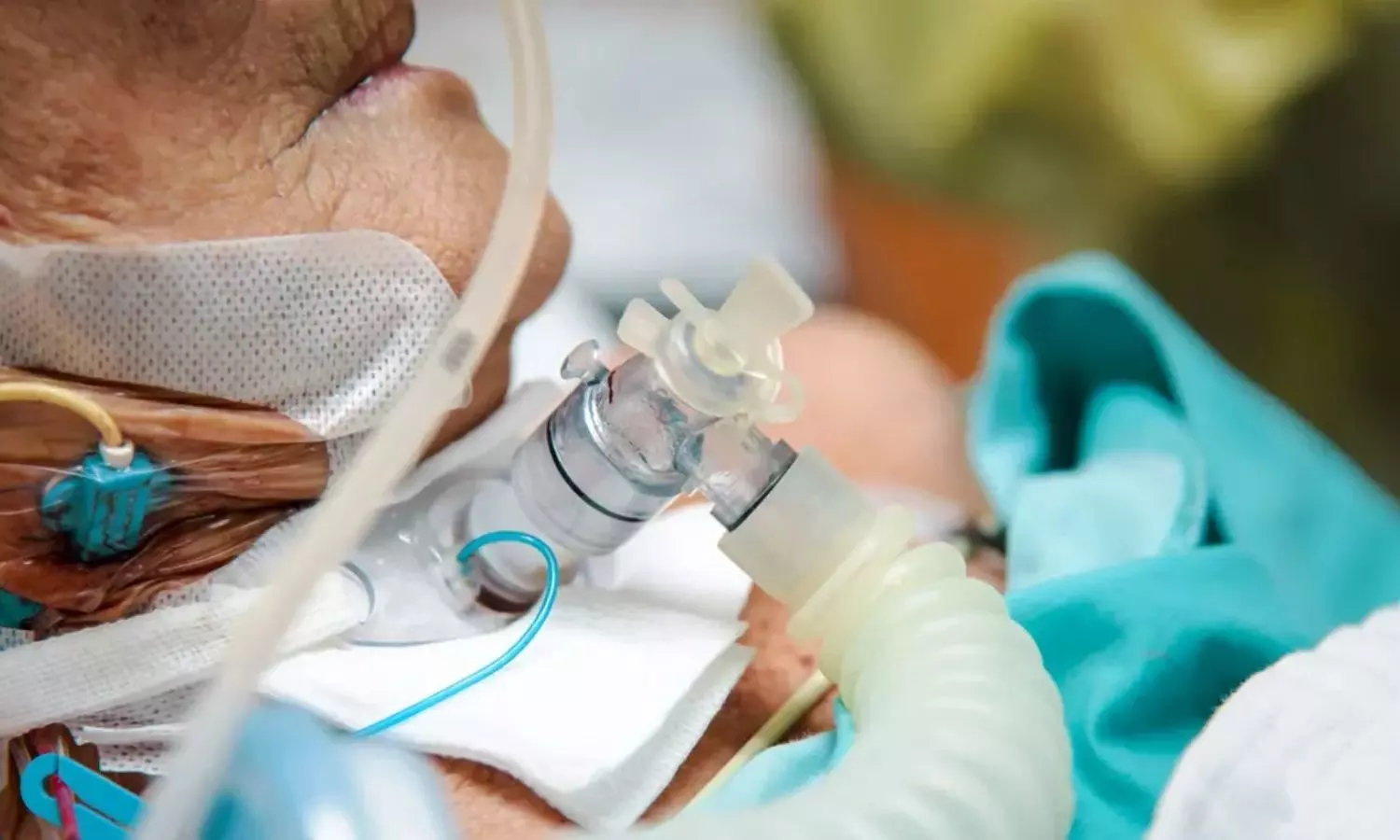


A recent retrospective observational study reveals that individualizing tracheostomy management based on tumor staging and surgical complexity is the primary driver for achieving a successful 20-day mean decannulation in advanced oral cancer cases, as published in the Indian Journal of Otolaryngology and Head & Neck Surgery in September 2025
While head and neck cancers (HNC) represent nearly 30% of the cancer burden in India, clinicians often lack standardized evidence for airway removal, relying instead on varied subjective judgments; therefore, Dhanush and colleagues from the Mahamana Pandit Madan Mohan Malviya Cancer Centre (MPMMCC) aimed to evaluate how specific tumor characteristics and surgical resections influence decannulation outcomes under a multidisciplinary protocol.
Therefore, the retrospective observational study analyzed 90 treatment-naïve adult patients with oral and oropharyngeal squamous cell carcinoma (SCC) who underwent intraoperative tracheostomy between January and December 2023, excluding anyone with prior oncologic therapy to ensure the primary endpoint of decannulation duration remained focused on immediate postoperative recovery. By utilizing clinical assessments and Fiberoptic Endoscopic Evaluation of Swallowing (FEES), researchers tracked the transition from cuffed to uncuffed tubes and final removal across a high-volume tertiary setting.
Key Clinical Findings of the Study Includes:
Surgical Subsite Impact: Patients requiring complete tongue base resections experienced significantly delayed airway recovery, with a mean transition to uncuffed tubes of 7.7 days compared to 4.2 days for those with base-preserving surgeries.
Reconstructive Challenges: Extensive upper alveolus and maxilla reconstructions were associated with a prolonged mean decannulation time of 25.7 days, whereas simpler "raw" cases without bulky flap intervention achieved removal in a mean of 14.4 days.
Comorbidity Influence: Pre-existing systemic conditions played a statistically significant role in recovery, with patients suffering from heart disease showing a prolonged decannulation mean of 37.3 days due to impaired healing and respiratory recovery.
Delay Determinants: Among the 26% of the cohort facing delayed removal beyond 20 days, 48% of these setbacks were attributed to breathing difficulties caused by bulky flap reconstructions that obstructed successful tube occlusion.
Protocol Adherence: The study highlighted that 17% of decannulation delays were not due to clinical complications but rather resulted from non-adherence to the multidisciplinary follow-up schedule and missed clinic appointments.
The results suggest that because surgical extent and reconstruction type are the dominant factors influencing airway patency, clinicians must employ a tailored approach to decannulation that anticipates longer support for patients undergoing complex tongue base or maxillary reconstructions. These findings underscore that a median recovery of 16 days is achievable when respiratory and swallowing parameters are integrated into a structured care plan.
Thus, the study concludes clinicians should consider implementing a standardized multidisciplinary strategy involving both surgeons and speech-language pathologists to proactively manage the respiratory challenges associated with advanced reconstructive surgery.
The primary limitations of this study include its single-center retrospective design and the lack of long-term follow-up data, suggesting an urgent need for future prospective, multicenter trials to validate these findings and establish universal decannulation standards.
Reference
Dhanush, Mishra, A., Lamba, K., & Sarkar, S. R. (2025). Tracheostomy Management in Oral and Oropharyngeal Carcinoma Patients: A Retrospective Study from a Multidisciplinary Protocol Approach. Indian Journal of Otolaryngology and Head & Neck Surgery, 77(5719–5729).
