Combined H. pylori stool antigen and FIT Screening Improves Outcomes and Reduces Costs in H pylori infection: JAMA
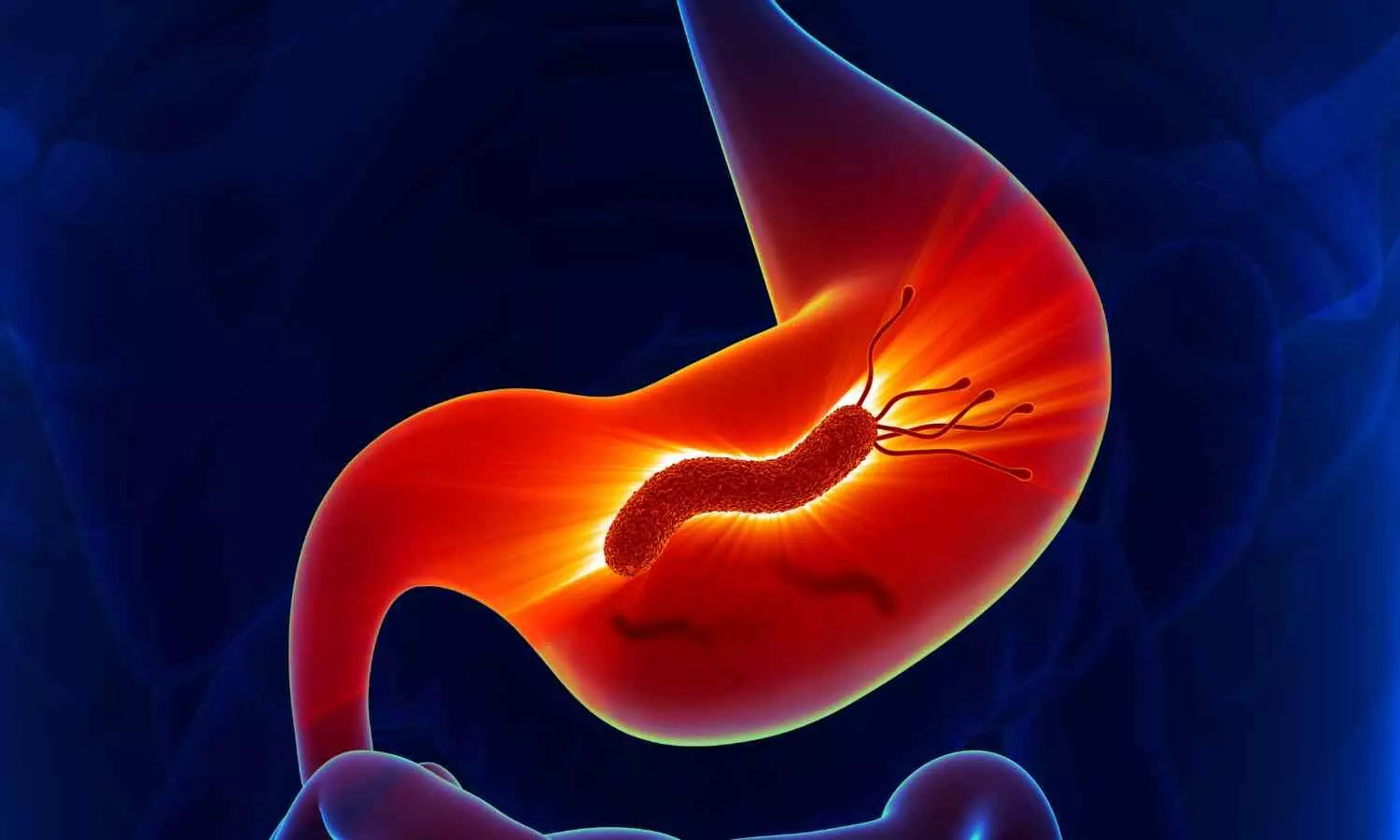


In a real-world randomized study, inviting individuals to undergo combined Helicobacter pylori stool antigen testing and fecal immunochemical testing (FIT) was more cost-effective than inviting FIT alone. The combined approach improved lifetime health outcomes, generated cost savings in Taiwan, and remained cost-effective in higher-cost healthcare settings with moderate H. pylori prevalence, despite incomplete adherence to screening. The study was published in JAMA by Yi-Chia and colleagues.
Parameters and patient adherence rates that were considered for the construction of the model simulation were extracted based on information obtained from a pragmatic randomized controlled trial done in Changhua County, Taiwan. The analytical model utilized a time horizon of thirty years within which to follow the progression of a virtual adult population in various health states and determine the long-run health outcomes such as incidence of gastric and colorectal cancers, associated financial costs, and quality-adjusted life-years, which incorporate total life expectancy alongside health status.
Financial costs were assessed based on a wide societal scope, and all future costs related to care as well as QALYs gained in the process were discounted annually by 3%. In addition, sensitivity analysis was performed extensively to verify whether the clinical benefits could be observed under different socioeconomic conditions globally with various rates of diseases.
Key findings:
- The economic base-case analysis showed a strongly positive incremental cost-effectiveness ratio of $2094 savings per QALY gained, while 95% CI indicated savings between $12,359 and $7291 in costs.
- Under the co-testing regimen, a strong positive net monetary benefit among the sample population proved that the gains in HRQOL were overwhelmingly larger than the cost of testing procedures.
- The financial simulation revealed a high benefit-cost ratio of 5.08, which means that the Taiwanese population derives about 5 times more economic benefit from each dollar spent on the screening campaign.
- Under the cost-effectiveness threshold of 1 × GDP per capita of Taiwan ($33,365) per QALY, the co-testing invitation was a reliable cost-saving intervention in 65.7% of all probabilistic simulations.
- From the higher-cost US perspective, the co-testing invitation could not be considered strictly cost-saving anymore; however, the intervention would still be economically attractive at the study prevalence level.
- According to sensitivity analyses, the prevalence rate of Helicobacter pylori disease in a particular region appeared to be the critical factor determining the economics of the intervention.
- If the prevalence rate is lower than 21.9%, then the co-testing invitation becomes cost-effective even under the conservative $100,000/QALY threshold.
Conclusively, compared to FIT alone, inviting patients to undergo both H pylori stool antigen and FIT test was more cost-effective in a practical environment where there is non-compliance, leading to improved outcomes in life and cost savings in Taiwan and still remaining cost-effective in high-cost environments with moderate H pylori prevalence.
Reference:
Lee Y, Liu J, Mülder DT, et al. Cost-Effectiveness of Fecal Immunochemical Testing Alone vs Co-Testing With Helicobacter pylori Stool Antigen. JAMA. Published online June 01, 2026. doi:10.1001/jama.2026.6908