
Helicobacter pylori Present in 39 Percent of gastritis cases: Study Finds
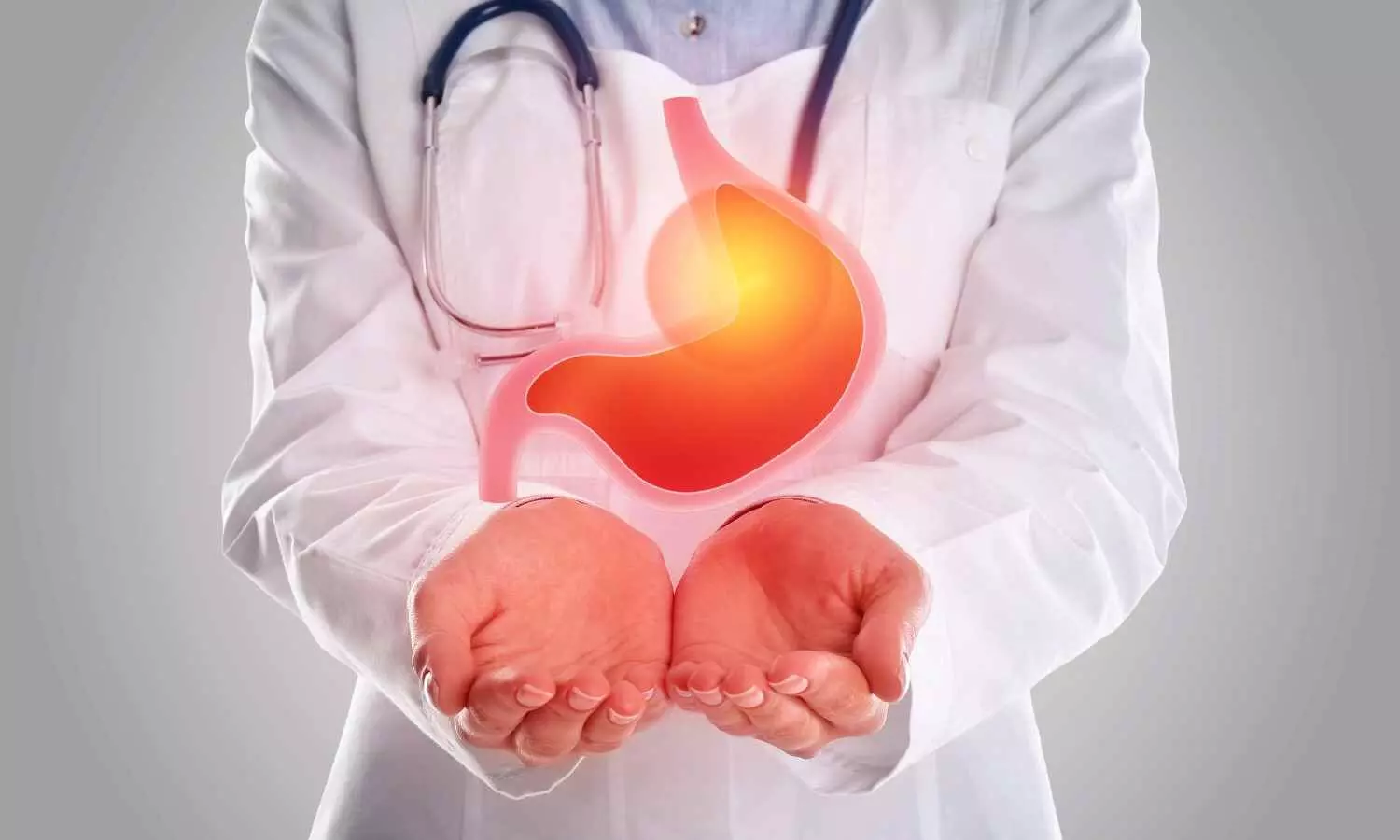


A recent investigation reveals that Helicobacter pylori was present in nearly 39% of gastritis cases, demonstrating a critical statistical link to chronic active inflammation and potential malignant transformation, as published in the Indian Journal of Pathology and Oncology in March 2026 has shown.
While Helicobacter pylori is the primary cause of chronic gastritis and a significant risk factor for gastric carcinoma, its reported prevalence in India remains inconsistent. Addressing the need for standardized diagnostic reporting, Maneesha Unnikrishnan Soya and colleagues from the Department of Pathology at Southern Railway Headquarters Hospital in Chennai investigated the prevalence and histopathological characteristics of H. pylori in biopsy-confirmed gastritis cases.
Therefore, the two-year descriptive study analyzed antral and corporal endoscopic biopsies from 90 patients (mean age 56). Using the Updated Sydney System and specialized stains (H&E and modified Giemsa), researchers correlated Helicobacter pylori density with inflammatory activity, glandular atrophy, and intestinal metaplasia.
Key Clinical Findings of the Study Include:
Active Gastritis Predominance: The study identified that 57.78% of participants suffered from chronic active gastritis, with the antrum serving as the most frequently affected anatomical region at 36.67%.
Significant Pathogen Prevalence: Helicobacter pylori was detected in 38.89% of all biopsy samples, showing a male-to-female ratio of 1.3:1 and a marked association with high-grade inflammation.
Inflammatory Correlations: A clear statistical link was established (p < 0.001), as 61.54% of active gastritis cases and over 78% of those with severe mononuclear infiltration were associated with the bacterium.
Structural and Immune Changes: Mucosal alterations were evident, with the study linking the pathogen to 80% of epithelial distortion cases and identifying lymphoid follicle formation in over 62% of positive patients, reinforcing its role in the pathogenesis of mucosa-associated lymphoid tissue.
Metaplastic Complexity: Interestingly, 93.75% of intestinal metaplasia cases were negative for the pathogen, which likely reflects the bacterium’s inability to survive in altered, metaplastic epithelium as the disease progresses.
The results suggest that Helicobacter pylori infection is a pivotal factor in escalating the severity of gastric inflammation, as evidenced by its strong correlation with neutrophilic activity and the development of potentially pre-neoplastic lymphoid follicles.
Thus, the study concludes that practitioners should consider that identifying and addressing bacterial colonization early is imperative for minimizing the morbidity associated with chronic gastric lesions.
The research acknowledges potential underestimation of prevalence due to the patchy nature of bacterial colonization and the lack of immunohistochemical resources, highlighting a need for broader future studies to refine local diagnostic and therapeutic patterns.
Reference
Soya MU, Reddy SK, Padmanaban JA. Prevalence of helicobacter pylori and histopathological correlates among biopsy proven gastritis cases. Indian J Pathol Oncol. 2026;13(1):29–34.
