
Non-Invasive Tests Improve Diagnosis and Assessment of MASLD and MASH, find researchers
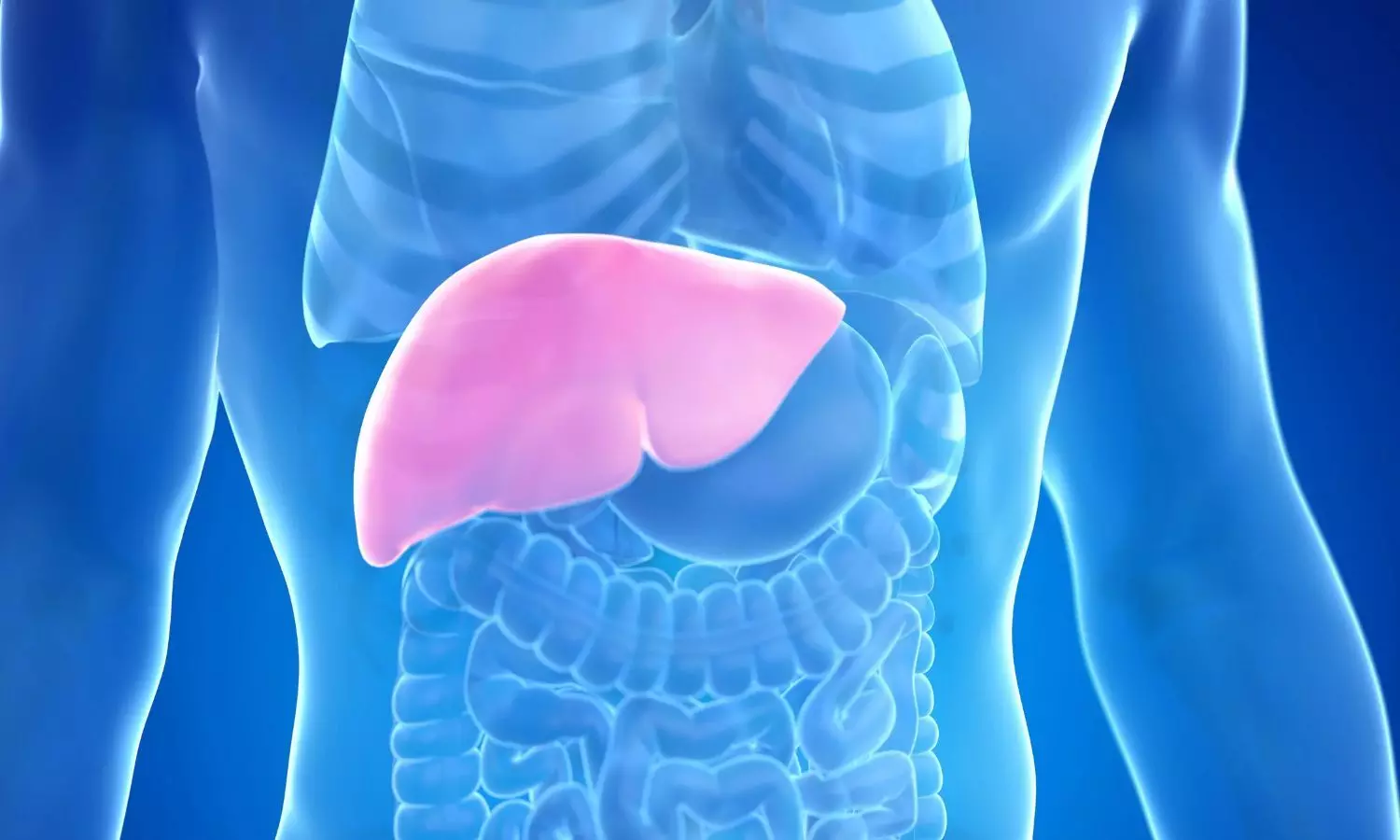


Two major international studies have provided the strongest evidence to date supporting the accuracy of non-invasive tests in diagnosing and assessing the severity of metabolic dysfunction-associated steatotic liver disease (MASLD) and its more advanced form, metabolic dysfunction-associated steatohepatitis (MASH). These findings could reduce reliance on invasive liver biopsies and facilitate more accessible disease assessment and monitoring.
Published in The Lancet and Nature Medicine, the studies form part of the LITMUS programme, the largest international effort to evaluate diagnostic tools for liver disease.
The main LITMUS Study, published today in The Lancet, assessed blood tests and ultrasound-based liver stiffness measurements in more than 1,500 patients - the largest international study of its kind.
The companion LITMUS Imaging Study, published in Nature Medicine, examined advanced MRI and elastography techniques in more than 350 patients.
Two studies, one comprehensive evidence base: a new benchmark for diagnosing liver disease
Professor Quentin Anstee, Ruth & Lionel Jacobson Chair in Personalised Medicine at Newcastle University, UK, and Honorary Consultant Hepatologist at Newcastle Hospitals NHS Foundation Trust, is joint senior author of both studies and the LITMUS consortium coordinator.
He said: “Together, these two studies give us the most complete picture yet of which diagnostic tests work for liver disease, and how to combine them into a pathway health systems can easily implement.
"For advanced liver scarring and cirrhosis, we now have tools good enough to use with real confidence. Detecting active liver inflammation remains more challenging, but promising non-invasive tests are becoming available."
MASLD affects up to one in three adults worldwide and as many as seven in 10 people living with obesity or type 2 diabetes.
As the first licenced drug treatments for MASH enter clinical practice, there is growing demand for accurate, non-invasive ways to diagnose and monitor disease.
Together, the studies assessed dozens of blood, imaging and elastography-based biomarkers — covering both state-of-the-art and routine diagnostic tests that are already used by doctors — comparing their accuracy to liver biopsy, read by expert pathologists.
The findings provide robust, prospective and independent evidence from large multinational patient cohorts, offering what researchers believe are the most realistic benchmarks yet for non-invasive liver disease testing.
The key findings of the studies are:
• For advanced liver fibrosis (scarring) and cirrhosis, the SOMAScan proteomic panel, MR elastography (MRE) and FibroScan-based elastography tools, including the Agile 3+ score, delivered the highest levels of diagnostic accuracy.
• The ELF and ADAPT blood tests also exceeded predefined performance thresholds for detecting cirrhosis.
• For identifying "at-risk MASH" - the group targeted in most clinical trials - only the SOMAScan panel met the predefined accuracy threshold.
• A simple and inexpensive gamma-GT blood test outperformed the widely used FIB-4 score as a first-line assessment tool and could be followed by FibroScan or ELF testing to confirm disease severity in routine care.
Targeting the right patients for referral to specialist liver care
The findings support a simplified diagnostic pathway that, after further validation, could be adopted across healthcare systems: use gamma-GT as an initial screening test, followed by ELF or FibroScan for patients requiring further assessment, with advanced imaging reserved for specialist care.
This approach could help more patients receive an accurate diagnosis without undergoing an invasive liver biopsy while ensuring specialist resources are targeted where they are most needed.
The findings also have important implications for MASH clinical trials.
Because regulators require confirmation of "at-risk MASH" for enrolment in late-stage studies, liver biopsy is likely to remain necessary for now. However, the strong performance of SOMAScan highlights its potential for future adoption.
The LITMUS Imaging Study also demonstrated that elastography techniques performed well for detecting advanced fibrosis and cirrhosis, with MRE outperforming FibroScan-based liver stiffness measurements.
Reference:
Vali Y, Wonders K, Lee J et al. Non-invasive tests in metabolic dysfunction-associated steatotic liver disease: the LITMUS prospective multicentre diagnostic accuracy study The Lancet, DOI: 10.1016/S0140-6736(26)01145-1
