
Pumpkin Seed Products Show No Significant Advantage in Lowering Triglycerides: Study
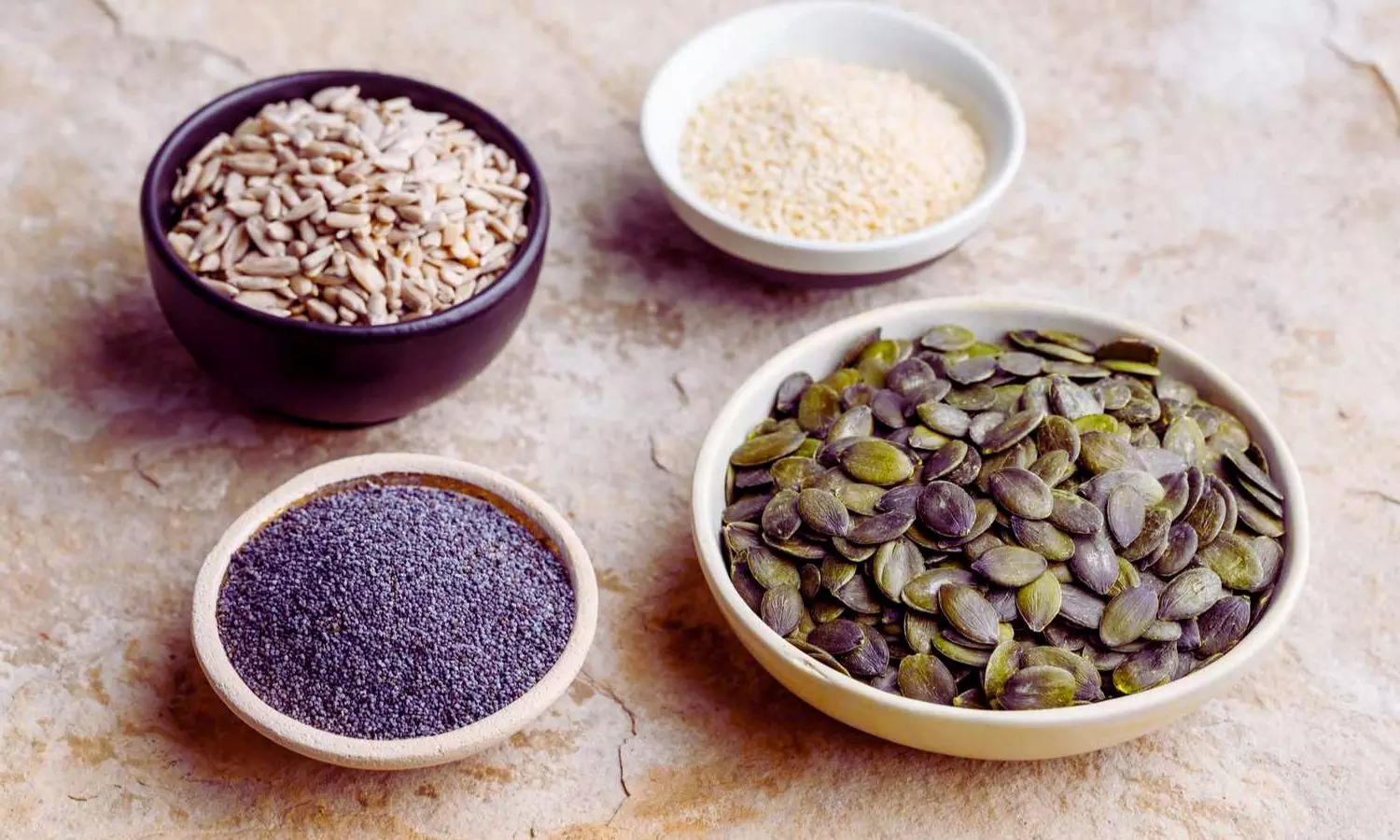


A new study published in the Irish Journal of Medical Science showed that pumpkin seed products do not demonstrate a notable benefit in reducing triglyceride levels. Hyperlipidemia is a significant metabolic condition characterized by increased levels of circulating lipids, especially triglycerides and cholesterol, which play a crucial role in the onset of atherosclerotic cardiovascular diseases. While lifestyle changes and lipid-lowering drugs are the primary treatments, dietary approaches involving functional foods have attracted growing interest as supplementary therapeutic options.
Pumpkin seeds (Cucurbita pepo) and their oil are abundant in unsaturated fatty acids, phytosterols, tocopherols, polyphenols, and other bioactive substances that may offer cardiometabolic advantages. Their antioxidant and lipid-regulating effects could impact lipid metabolism, lower triglyceride levels, and enhance overall lipid profiles. Thus, this randomized controlled trial investigated their short-term impact, when added to a low-cholesterol diet, on cardiometabolic risk factors in overweight individuals with hyperlipidemia.
107 overweight adults with hyperlipidaemia were randomly allocated into three groups; 89 participants completed the 4-week intervention and were included in the final evaluation: pumpkin seed (n = 29), pumpkin seed oil (n = 33), and control (n = 27). All subjects adhered to a standard 4-week low-cholesterol diet plan, adjusted for age and sex, containing less than 100 mg cholesterol daily.
The intervention diets consisted of either 30 g/day of pumpkin seeds or 15 g/day of pumpkin seed oil. Anthropometric data, blood pressure, and biochemical parameters were measured both prior to and following the intervention. The biochemical assessments included triglycerides (TG), total cholesterol (TC), low-density lipoprotein cholesterol (LDL-C), alanine aminotransferase (ALT), glucose, and aspartate aminotransferase (AST).
Total cholesterol, low-density lipoprotein cholesterol, alanine aminotransferase, and aspartate aminotransferase all showed significant reductions across all groups (p < 0.05). Triglycerides significantly decreased in the pumpkin seed and pumpkin seed oil groups, but not in the control group; nevertheless, the changes in TG were not significantly different between the groups. Anthropometric measurements improved in all groups, with no notable differences observed between them.
Overall, triglyceride levels dropped markedly in both the pumpkin seed and pumpkin seed oil groups. However, there were no significant differences observed between these groups. Additional research is required to establish if pumpkin seed products offer advantages beyond standard dietary changes.
Source:
Karli, K., Yilmaz, H. Ö., & İncaman, D. (2026). Pumpkin seed and seed oil affect triglyceride levels in adults with hyperlipidemia: a randomized controlled trial. Irish Journal of Medical Science. https://doi.org/10.1007/s11845-026-04706-3

