
Empagliflozin and finerenone Combo Provides Greater BP and Albuminuria Reduction: Study
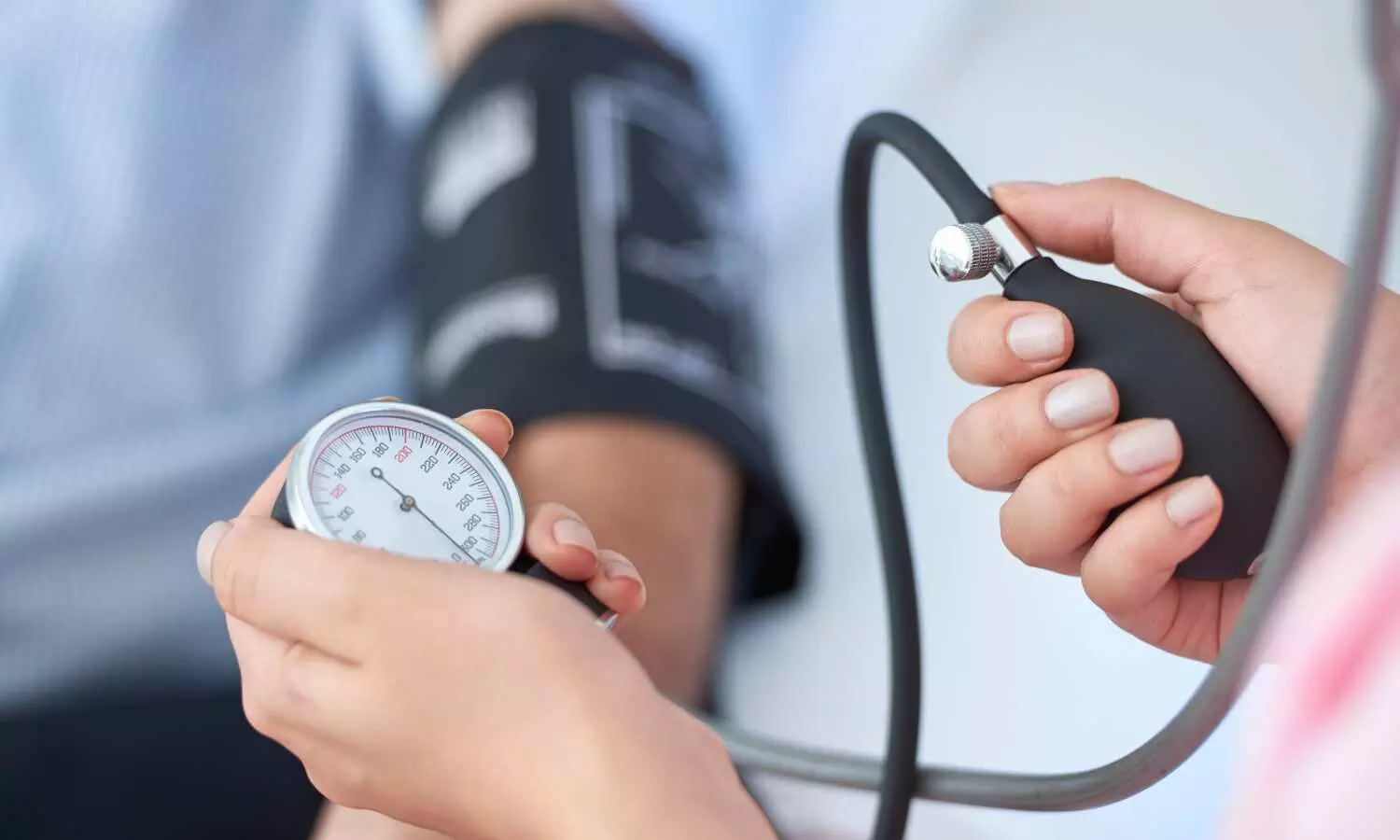


A new study published in the journal of Hypertension showed that participants with systolic blood pressure (SBP) ≥130 mm Hg responded better to the empagliflozin and finerenone combination treatment when compared to either medication alone.
Systolic blood pressure changes with empagliflozin/finerenone combination therapy versus monotherapy in individuals with chronic kidney disease and type 2 diabetes across baseline SBP categories were evaluated in this secondary analysis of the CONFIDENCE (combination effect of fInerenone and empagliflozin in participants with chronic kidney disease and type 2 diabetes using a UACR endpoint) trial. The SBP response predictors and whether urine albumin-to-creatinine ratio decreases are mediated by early (day 30) SBP alterations were evaluated.
Baseline SBP (<130 mm Hg; ≥130 mm Hg) was used to stratify the participants (n = 800). SBP response (≥10 mm Hg reduction from baseline at day 180) and longitudinal SBP variations were among the results, which were examined using logistic regression and linear mixed-effects models. The impact of day 30 SBP variation on day 180 urine albumin-to-creatinine ratio decrease was assessed using causal mediation analysis, a secondary exploratory investigation.
532 (66%) of the individuals had SBP ≥130 mm Hg at baseline, whereas 268 (34%) had SBP <130 mm Hg. When compared to finerenone (probability ratio, 1.83 [95% CI, 1.21–2.76]; P=0.004) or empagliflozin (odds ratio, 1.45 [95% CI, 0.97–2.17]; P=0.07), combination treatment enhanced the odds of an SBP response.
Baseline SBP was the best predictor of response (odds ratio, 2.04 per 10 mm Hg greater SBP; P<0.0001). In the ≥130 mm Hg group, combination treatment significantly lowered SBP compared to monotherapies (P<0.0001), but not in the <130 mm Hg group.
Less than 10% of the overall decrease in the urine albumin-to-creatinine ratio was mediated by SBP reduction. The incidence of hyperkalemia and acute renal damage was comparable among SBP subgroups. Overall, in patients with SBP ≥130 mm Hg, combination treatment lowered SBP greater than monotherapies.
The decrease in the urinary albumin-to-creatinine ratio at day 30 seemed to be mostly unrelated to changes in SBP; However, this secondary analysis was constrained by the use of clinic blood pressure measurements. It is necessary to conduct prospective research using ambulatory blood pressure monitoring.
Source:
Agarwal, R., Correa-Rotter, R., Navaneethan, S. D., Heerspink, H. J. L., Weir, M. R., McGill, J. B., Mottl, A. K., Nangaku, M., Rosenstock, J., Rossing, P., Vaduganathan, M., Scott, C., Li, L., Brinker, M., Kovesdy, C. P., Green, J. B., & Mann, J. F. E. (2026). Safety and synergy of finerenone and empagliflozin in lowering blood pressure. Hypertension, HYPERTENSIONAHA.126.27036. https://doi.org/10.1161/HYPERTENSIONAHA.126.27036

