
Low Haptoglobin Linked to Early Renal Injury After PFA: Study
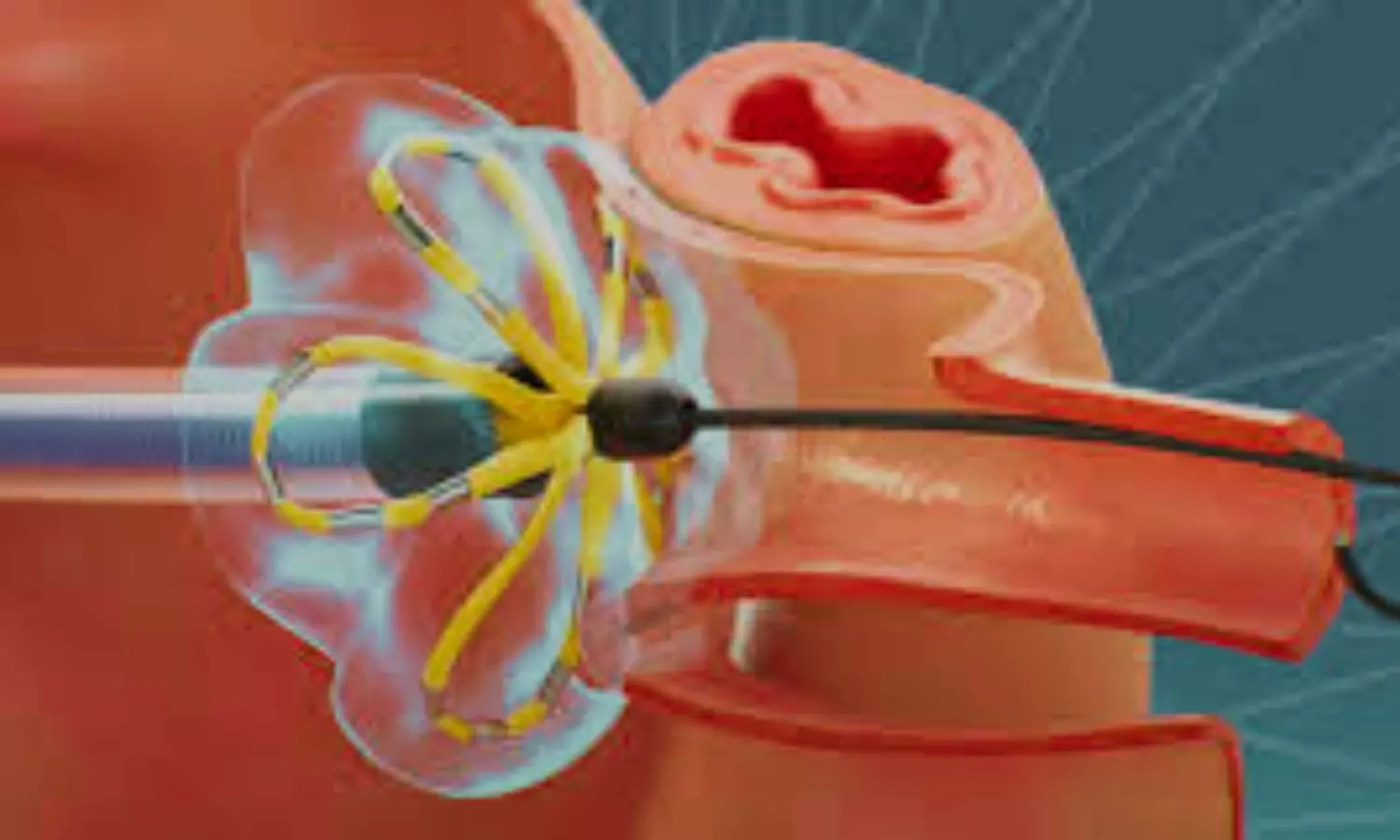


Japan: Lower baseline haptoglobin levels were associated with an increased risk of early renal injury following pulsed-field ablation (PFA), indicating greater susceptibility to hemolysis-related renal stress. Haptoglobin supplementation may be a feasible preventive strategy, although further studies are needed to confirm its effectiveness.
These findings are from a prospective study published in Heart Rhythm by Yasuaki Tanaka from the Cardiovascular Center, Yokosuka Kyosai Hospital, Yokosuka, Kanagawa, Japan, and colleagues, which investigated the relationship between pre-procedural haptoglobin levels and early kidney injury following pulsed-field ablation.
Pulsed-field ablation has emerged as an effective non-thermal treatment for atrial fibrillation. However, concerns remain regarding procedure-related hemolysis and its potential impact on kidney function.
Haptoglobin is a plasma protein that binds free hemoglobin released during red blood cell breakdown, helping protect the kidneys from hemoglobin-induced oxidative damage. The researchers hypothesized that lower baseline haptoglobin levels may increase susceptibility to renal injury after PFA.
The study included 493 patients undergoing PFA. Baseline haptoglobin and serial creatinine levels were measured. Early renal injury, defined as a creatinine increase of at least 0.2 mg/dL within 24 hours, was the primary endpoint, while KDIGO-defined acute kidney injury was assessed as a secondary outcome. The main analysis included 481 patients without haptoglobin supplementation, while 12 high-risk patients with low haptoglobin levels and hemoglobinuria received exploratory intravenous haptoglobin supplementation.
The researchers reported the following findings:
- Early renal injury occurred in 3.3% of patients in the non-supplemented cohort.
- The incidence of early renal injury decreased progressively across increasing baseline haptoglobin tertiles.
- Lower baseline haptoglobin levels were independently associated with a higher risk of early renal injury (odds ratio 0.985).
- Baseline haptoglobin showed moderate predictive ability for early renal injury (AUC 0.69).
- Only 1.2% of patients fulfilled KDIGO criteria for acute kidney injury.
- In patients with baseline haptoglobin levels ≥80 mg/dL, the reduction in haptoglobin correlated with the number of PFA deliveries performed.
- In the exploratory supplementation cohort, intravenous haptoglobin administration was associated with rapid resolution of hemoglobinuria.
- Renal function remained stable after haptoglobin supplementation during the peri-procedural period, suggesting a possible protective effect.
The findings collectively suggest that baseline haptoglobin may serve as a biomarker for susceptibility to hemolysis-related renal stress following pulsed-field ablation. Patients with lower levels appear to be at higher risk for early renal injury, likely due to reduced capacity to neutralize free hemoglobin released during the procedure.
While the study points toward a potential preventive role for haptoglobin supplementation, the authors emphasize that these findings are preliminary. Larger studies are required to confirm efficacy, refine risk stratification, and determine whether routine supplementation can improve clinical outcomes in patients undergoing PFA.
Reference:
Tanaka, Y., Takahashi, A., Yano, H., Kawaguchi, N., Nakashima, E., Okubo, K., Hikita, H., & Sasano, T. (2026). Association between baseline haptoglobin and early renal injury after pulsed-field ablation. Heart Rhythm. https://doi.org/10.1016/j.hrthm.2026.05.026

Next Story