AIIMS Delhi hosts global collaboration to bridge gap between medicine and technology
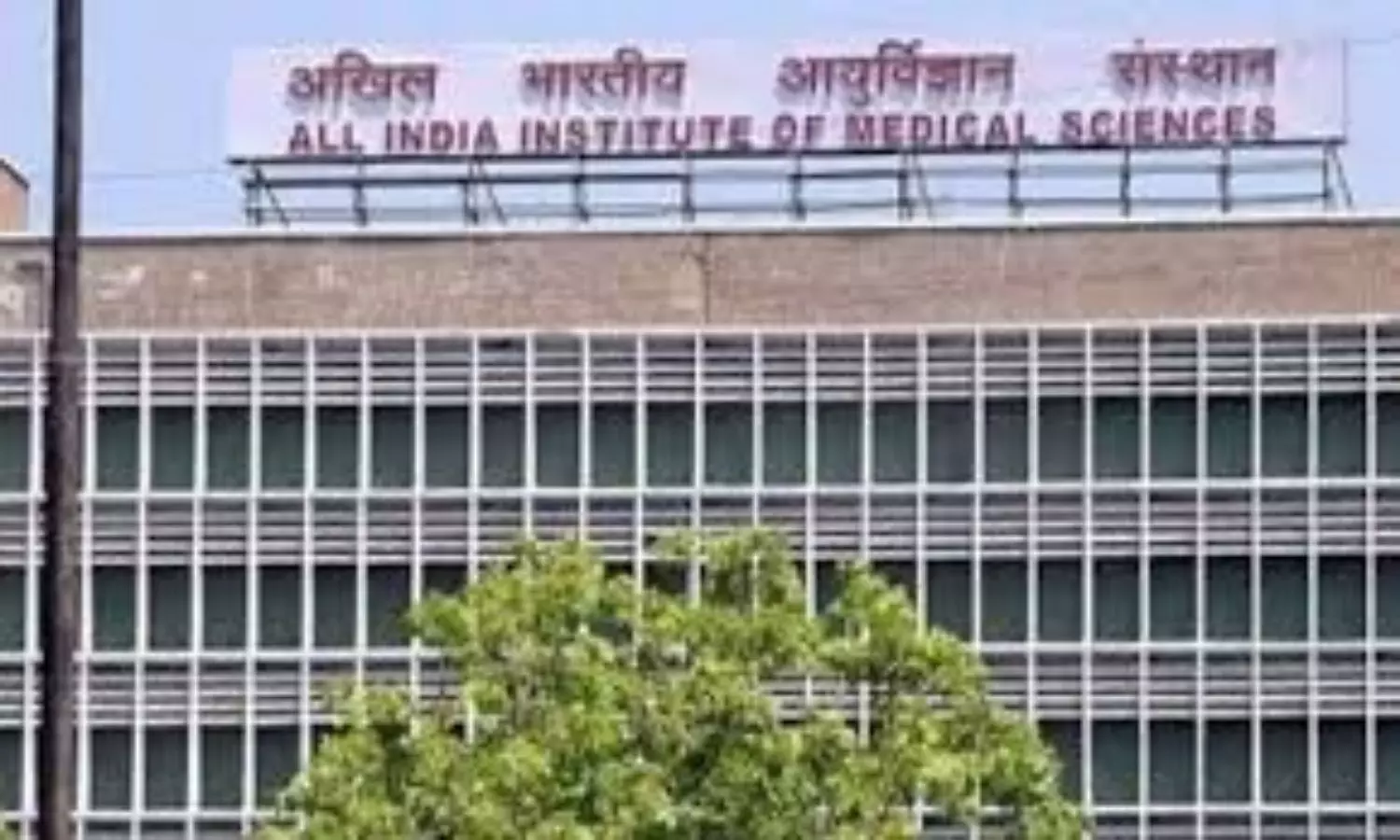


New Delhi: The All India Institute of Medical Sciences (AIIMS) Delhi has brought together engineers and clinicians from leading global institutions, including IIT Delhi and the Massachusetts Institute of Technology (MIT), to jointly develop innovative solutions for pressing healthcare challenges.
The initiative also brings together researchers from UiT The Arctic University of Norway, the University of Oslo, the University of Southampton, and SINTEF, reflecting a growing international push to combine medical expertise with cutting-edge engineering research for improved patient care, diagnosis, and treatment.
Also Read:Doctors, faculty call for immediate rollout of NExT exam for MBBS students
Speaking to Tribune India, Dr Vivek Tandon from AIIMS’s Department of Neurosurgery said, “The aim of organising this workshop is to bring engineers and doctors together and create engineering innovations that would actually help the doctors.” He emphasised that clinical needs must guide technological design. “If I want a specific camera to perform a neurosurgery, then it should be a doctor who sits with an engineer to explain what sort of need the camera must fulfil,” Dr Tandon said. He added that such an approach allows both sides to identify and build targeted healthcare technologies.
The workshop is being organised under the chairmanship of IIT Delhi’s DS Mehta, while Dr Balpreet Singh Ahluwalia from UiT The Arctic University of Norway is co-chairing the programme. From MIT, Professor Peter So, an expert in biological engineering and multiphoton microscopy, is among the key international participants.
The discussions opened with a fundamental concern in clinical care. Dr Dipak Sapkota, a researcher from the University of Oslo, highlighted that the most important question patients ask is not what disease they have, but how long they are going to survive, pointing to a gap that continues to challenge modern medicine.
He highlighted challenges in managing oral leukoplakia, a potentially cancerous condition that is difficult to predict and often requires repeated biopsies. “We don’t know what to do; at times in oral cancer, we just wait until the patient dies,” he said, underscoring the urgent need for better predictive tools.
Dr Sapkota stressed that no single technology could solve such complex problems. Instead, he advocated combining clinical data with optical spectral analysis, AI-based imaging, and advanced approaches like single-cell and spatial omics to better identify high-risk patients.
Similar gaps are being addressed through AI in dermatology. Dr Somesh Gupta from AIIMS’s dermatology department said skin diseases generate the highest number of health-related queries globally, yet nearly three billion people lack access to specialists. “There are countries with only two or three specialists,” he said. He pointed out that most datasets used to train AI models are skewed towards lighter skin tones, while a larger share of the global population has darker or Asian skin, reports Tribune India.
To address this, his team is developing India-specific AI models in collaboration with partners, including Google Health, aimed at helping frontline healthcare workers identify and triage skin diseases more effectively.
The ophthalmology department at AIIMS showcased an AI-powered system called MadhuNetraAI, designed to detect and grade diabetic retinopathy. The tool can be deployed in community settings and used by trained health workers to identify patients needing urgent referral.
With a reported sensitivity of 98% and specificity of 96%, the system helps reduce unnecessary hospital visits while ensuring timely treatment for high-risk patients.
Experts also discussed public health issues, noting that tobacco warning labels have limited behavioural impact, while indirect advertising continues to influence consumption patterns in subtle ways.
The discussions are part of the ongoing ‘Photonics 4 Clinics’ workshop at AIIMS, which focuses on the use of light-based technologies combined with artificial intelligence to detect biological changes and improve clinical decision-making.