Health Ministry revises fire safety norms for hospitals: All you need to know
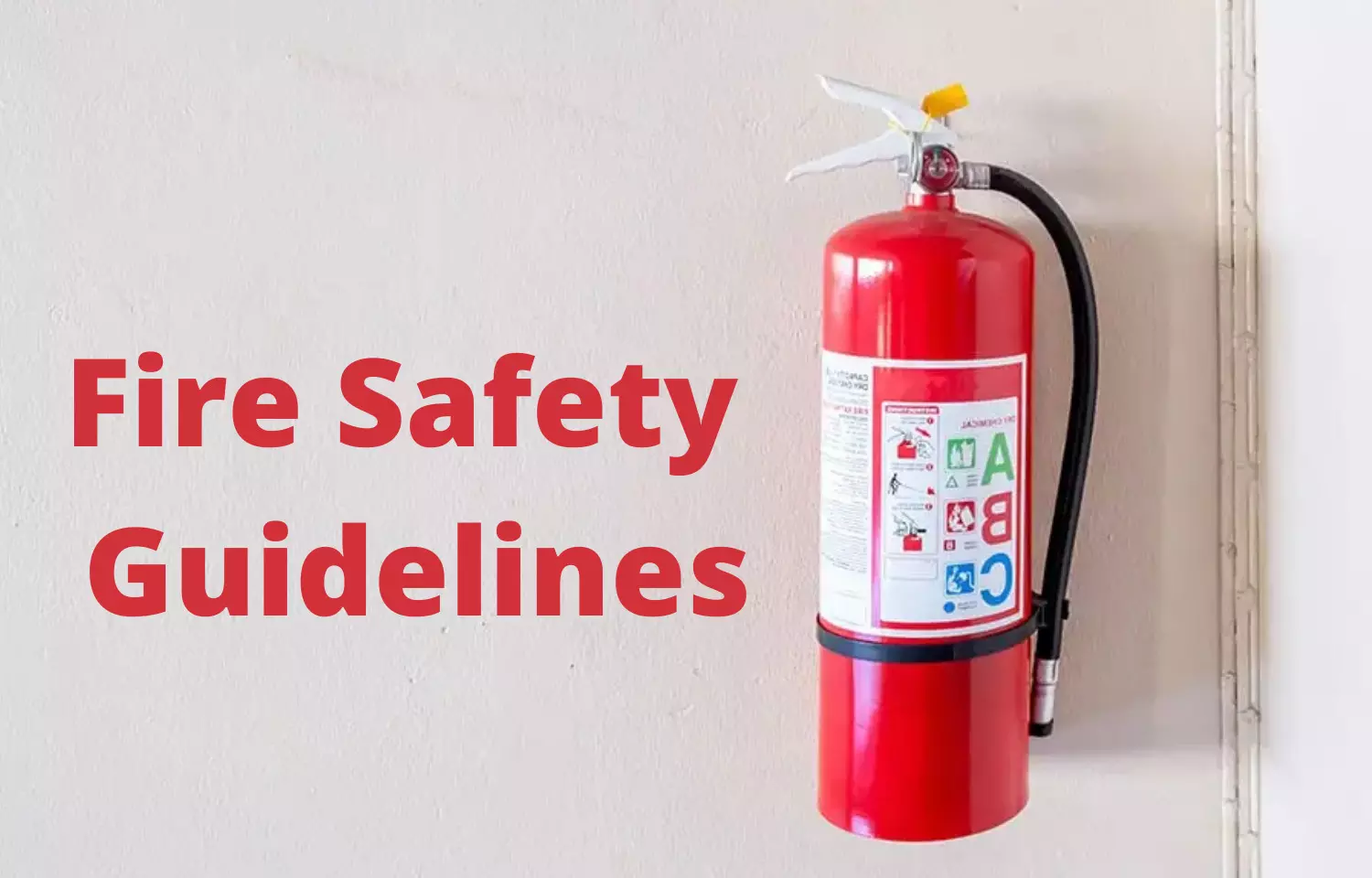
Fire Safety Regulations


New Delhi: The Union Health Ministry has issued revised national guidelines on fire and life safety in healthcare facilities (2026), aimed at strengthening compliance through regular audits, stricter safety checks, and reinforced evacuation protocols across hospitals in the country.
According to officials, healthcare facilities face heightened fire risks due to the presence of patients with limited mobility, extensive use of oxygen and medical gases, complex electrical systems, and storage of combustible materials. In India, past incidents have shown that even minor lapses can result in severe consequences for patients, staff, and infrastructure.
Also Read:Fire at Kolkata's Anandalok Hospital, patients evacuated
The 2026 revision strengthens these provisions in light of evolving risks and modern safety practices. While advisory in nature, compliance with applicable national, state, and local fire safety regulations remains mandatory for all healthcare facilities.
Stronger accountability framework
The revised guidelines assign primary responsibility for fire safety compliance to hospital administration.
Hospital administrations are required to approve and periodically review the Hospital Fire Safety Plan [as a part of the broader umbrella of the Hospital Disaster Management Plan], facilitate regular fire safety audits and certification from competent authorities.
Fire Safety Committee
A major highlight of the new framework is the mandatory establishment of a Fire Safety Committee in every healthcare facility, which will include representatives from various departments, ensuring a coordinated approach to fire prevention and response.
The guidelines also mandated a designated Fire Safety Officer (FSO) in healthcare facilities, preferably with a technical background and fire safety training. This Fire Safety Officer will be responsible for maintaining firefighting equipment, conducting regular inspections, organizing drills, training staff, and coordinating with local fire departments.
Staff Responsibilities
Fire safety is a shared responsibility across all levels of hospital staff. Every staff member must undergo mandatory training, be familiar with firefighting equipment, understand evacuation routes, and promptly report potential hazards such as electrical faults or gas leaks. Special attention is required in critical care areas like ICUs, NICUs, and operating theatres, where patient evacuation is more complex.
Mandatory Risk Assessments and Audits
Hospitals are required to conduct periodic fire hazard assessments—at least quarterly or after any major structural or functional change. Facilities must maintain a detailed Fire Hazard Register documenting identified risks, corrective measures, and timelines.
Annual fire safety audits, including electrical safety checks, are compulsory, with independent third-party audits recommended to strengthen compliance.
Comprehensive Fire Safety Planning
Each healthcare facility must prepare a comprehensive Fire Safety Plan, approved by the Fire Safety Committee. The plan should outline roles and responsibilities, prevention strategies, detection and suppression systems, evacuation procedures, and emergency response mechanisms.
Key components include floor-wise evacuation maps, designated assembly points, incident reporting systems, and regular fire drills involving local emergency services. Hospitals are also encouraged to establish coordination mechanisms with nearby healthcare facilities for patient transfer during large-scale emergencies.
Fire Prevention Measures
The guidelines emphasize essential fire prevention measures, including the use of fire-resistant materials, safe handling of medical gases, and strict electrical safety practices to prevent faults. They also stress proper building design to support fire safety, along with reliable fire detection and alarm systems for early warning.
Effective fire suppression systems—such as sprinklers, hydrants, hose reels, and portable extinguishers—are required, along with smoke exhaust systems and integrated HVAC controls to help contain and manage fire incidents efficiently.
The 2026 revised fire safety guidelines represent a strengthened and more structured approach to preventing fire-related incidents in healthcare facilities.
Also Read:SCB Medical College Hospital to launch 20-bed trauma ICU by April 25