Hospital mark-ups on medicines, consumables under SC scrutiny; Centre flags data gaps


New Delhi: The Centre has flagged gaps in data and regulatory challenges in extending price controls to medicines and consumables sold by hospitals, stating that a detailed assessment of profit margins is required before considering any intervention.
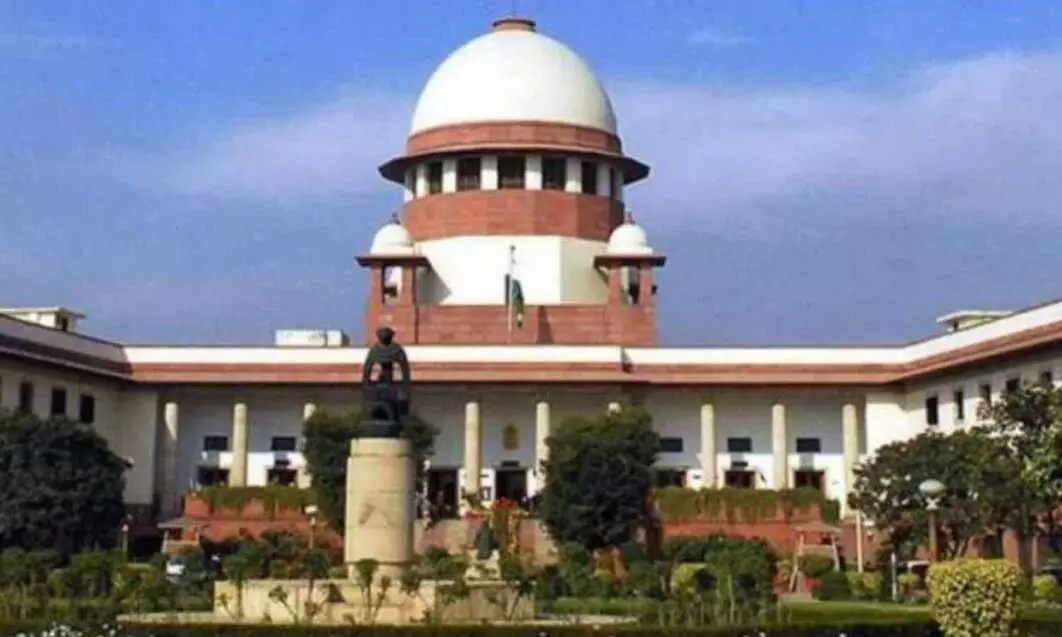
The issue has come under scrutiny of the Supreme Court amid concerns over hospitals charging patients steep mark-ups on medicines and consumables used during treatment.
Medical Dialogues had previously reported that, criticising the commercialisation of private healthcare, the Supreme Court of India observed that corporate hospitals operate as profit-driven industries rather than service providers, while common citizens and taxpayers foot the bill for exorbitant drug markups.
In an affidavit submitted before the Supreme Court, the Union government has acknowledged that mark-ups on hospital consumables can range from 100% to 1,000% or more, highlighting concerns over the high prices patients may have to pay for items used during treatment.
However, a senior official said that the Centre currently lacks the data required to assess margins across hospital supplies and determine whether wider price controls are necessary.
“We first need to get the data and then examine whether there is a margin and a need to control it,” another senior official said, explaining that the purchase price of medicines and consumables would need to be compared with what hospitals charge patients before deciding on any intervention, reports TOI.
The Centre currently fixes ceiling prices for scheduled medicines and restricts annual price increases for non-scheduled drugs to 10%. It has also decided to cap trade margins on certain anti-cancer medicines at 30% of their maximum retail price (MRP).
However, officials said extending similar restrictions to other medicines and hospital consumables would require detailed analysis and consultations.
A Health Ministry official questioned how far the Union government could intervene in hospital billing, pointing out that health is a state subject and hospitals are governed by the Clinical Establishments Act or other laws enacted by individual state governments.
According to the official, the Centre’s regulatory role is largely confined to drug-price regulation through the National Pharmaceutical Pricing Authority (NPPA).
Regulating individual components of hospital bills could prove difficult, the official said, noting that hospitals often charge package rates instead of providing detailed, itemised bills to patients.
The official also cautioned that restricting charges on medicines and consumables could prompt hospitals seeking to protect their revenues to increase other fees, including surgeons’ charges.
The official also disputed the blanket use of the term “overcharging” when hospitals bill patients at the MRP, saying there is no general legal requirement to offer discounts below the printed price. They cited delayed reimbursements from insurance firms and govt health schemes as financial pressures on hospitals that would need to be factored in while deciding any broader intervention, reports TOI.
Also Read:U S government sets penalties on 43 drugs over price hikes