JNIMS Imphal doctors raise concerns over administrative uncertainty, medicine shortages
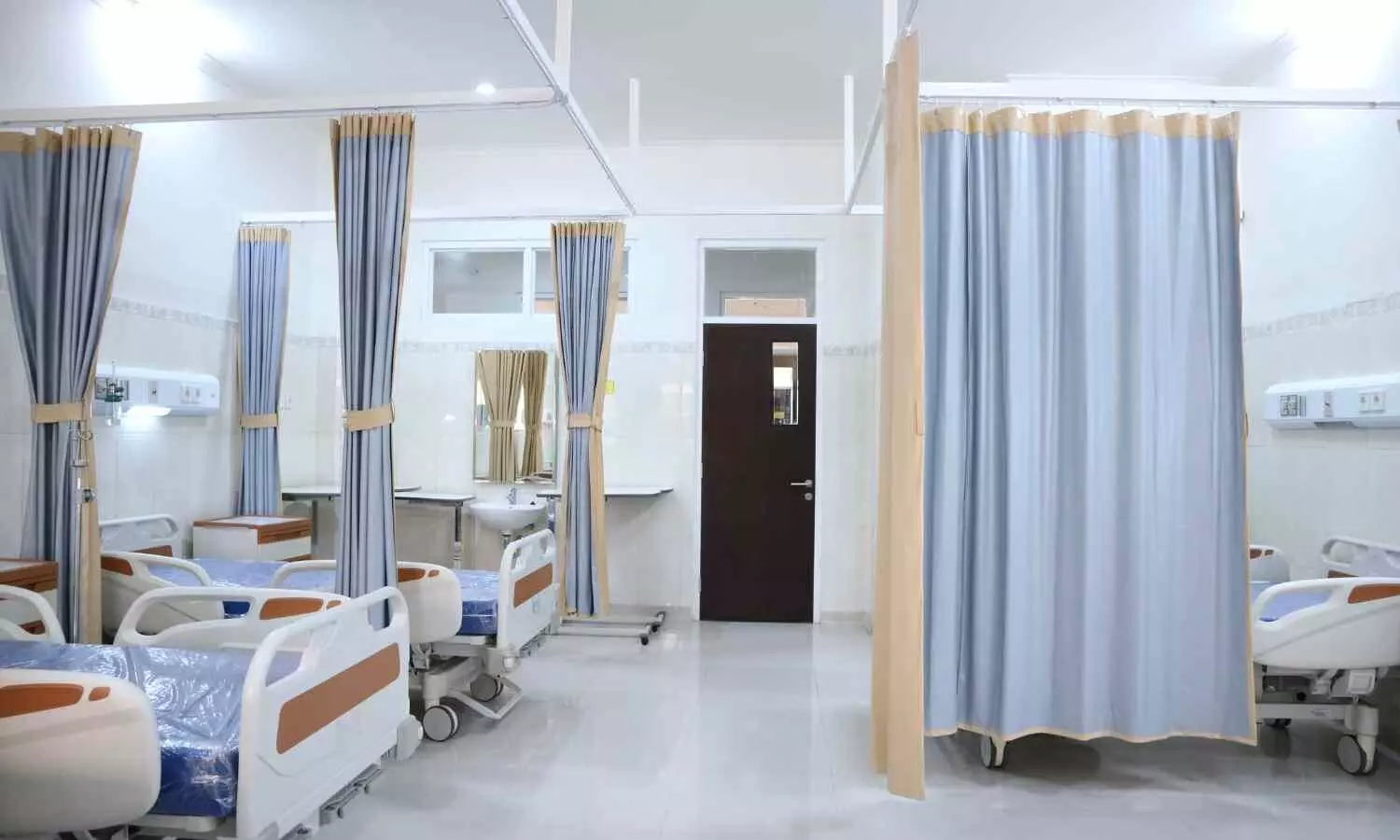


Imphal: Doctors at the Jawaharlal Nehru Institute of Medical Sciences (JNIMS), Imphal, have raised concerns over several administrative and operational issues at the institute, including the absence of a regular Director, shortages of medicines and consumables, employee service matters and a possible shortage of Junior Resident doctors.
Members of the Teachers’ Association, JNIMS (TA-JNIMS), raised the concerns during a press conference at the Manipur Press Club. The association said the functioning of a medical institution depends on specialised professional leadership and timely administrative decisions, particularly because its responsibilities include both patient care and medical education.
The association said JNIMS has been without a regular Director following the completion of the previous Director’s tenure on April 30, 2026. An officer from the general administration was subsequently given additional charge, but that arrangement ended on August 4.
The doctors said the lack of clarity over the institute's leadership has added to concerns regarding its day-to-day administration. They called for professionally qualified leadership and dedicated administrative positions to manage the requirements of the medical institution.
TA-JNIMS also highlighted pending issues concerning the regularisation and salaries of employees. According to the association, these matters require attention to ensure that staff-related concerns do not continue to affect the institution.
Another issue raised by the doctors was the availability of essential medicines and consumables. They reported shortages shortages, though the statement did not provide details on the specific medicines or supplies affected.
The association also pointed to the Junior Resident workforce. It said the tenure of the existing Junior Residents ended on August 6 and warned that delays in fresh recruitment could place additional pressure on ward and emergency services.
According to a report by Imphal Times, they expressed concern over the continued uncertainty surrounding the Institute’s administration, including the absence of a regular Director. According to the association, the previous Director’s tenure ended on April 30, 2026, while an officer of the general administration was subsequently given additional charge. That arrangement ended on August 4, and no fresh notification had been issued as of the date of the association’s paper.
Beyond staffing, the doctors sought greater administrative and financial autonomy for JNIMS. They also called for structured consultation with medical professionals when policies affecting healthcare delivery and medical education are formulated.
TA-JNIMS said strengthening the institution would require addressing its leadership, staffing, administrative and resource-related concerns together rather than treating them as isolated issues.