Remdesivir stock records at Kozhikode Medical College under scrutiny amid Nipah medicine controversy
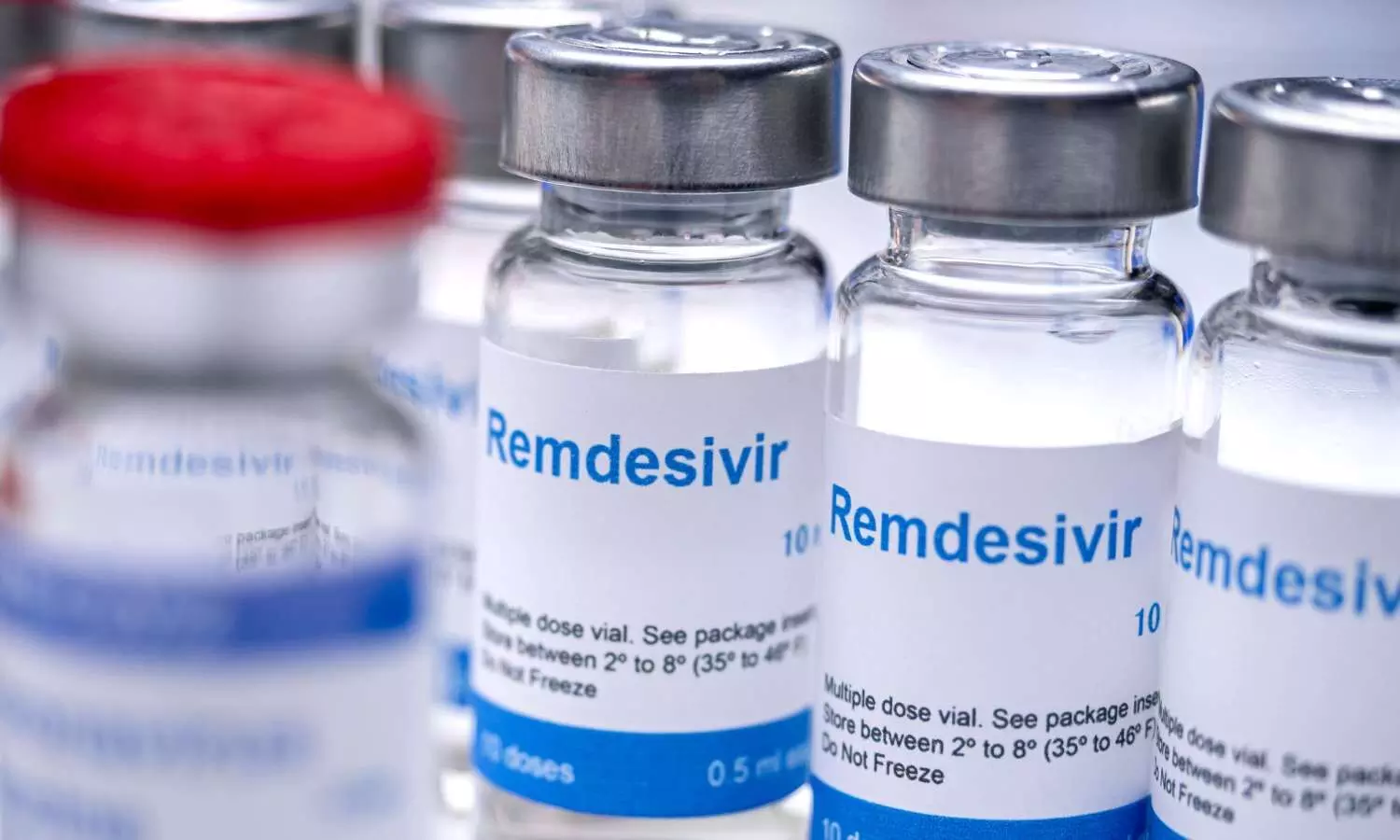


Kozhikode: Allegations of irregularities in the storage and documentation of Remdesivir stocks at Kozhikode Government Medical College Hospital (MCH)have triggered concerns over medicine inventory management, with a Congress legislator alleging that vials without manufacturing dates were found at the institution.
The allegations emerged amid a controversy over the procurement and storage of Remdesivir during Kerala's Nipah outbreaks. Congress leader Mathew Kuzhalnadan cited findings from a Comptroller and Auditor General (CAG) report, along with enquiries conducted by his team, to question how the antiviral drug had been procured, stored and accounted for at the medical college.
He also alleged that some Remdesivir vials found at the institution did not carry manufacturing dates. The claim has brought the hospital's stock records and procedures for checking the validity of medicines under scrutiny.
Former Chief Minister Pinarayi Vijayan, however, rejected the allegations, who described the claims as a “blatant lie”. He maintained that none of the six patients who died among the 13 Nipah-positive cases reported in Kerala between 2023 and 2025 had received Remdesivir from Kozhikode Medical College.
“It is surprising that the health minister is taking the lead in spreading allegations and weakening the strength of the healthcare sector. His statements insult the dedication and sacrifices of healthcare workers, including Sister Lini,” Pinarayi, the then CM, said. He asked whether the controversy was intended to create an opportunity for private hospital lobbies, TNIE reported.
Health experts have called for a detailed examination of the drug's procurement, storage and distribution records. They have pointed out that government hospitals and pharmaceutical institutions are expected to maintain documentation showing when medicines are received, stored and issued. Any reported gaps in manufacturing or expiry details, they said, warrant verification.
At the same time, experts cautioned against linking patient deaths to allegedly expired medicines without evidence that the drugs were administered and that their use contributed to the outcomes. Nipah is a severe infection, and the effectiveness of Remdesivir in treating it remains uncertain.
The controversy therefore raises two distinct questions: whether medicine stocks at the medical college were properly documented and managed, and whether any of the disputed batches were actually administered to patients. Establishing the latter would require examination of patient treatment records alongside the hospital's inventory and dispensing documents.