
West Bengal to introduce 24x7 surveillance across Government Hospitals
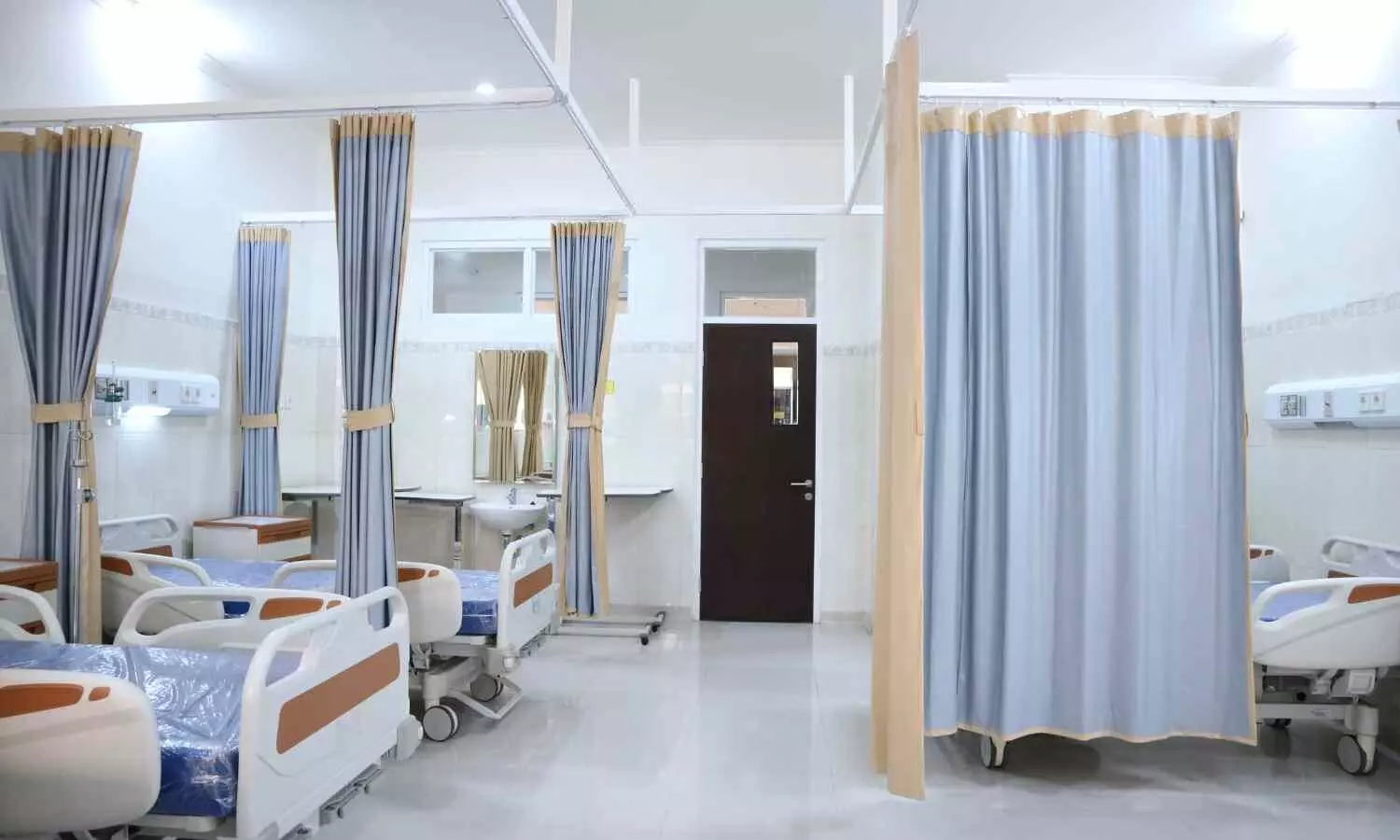


West Bengal: The West Bengal government has announced plans to monitor all state-run hospitals, including medical colleges, through a centralised control room at Swasthya Bhavan as part of efforts to improve patient care, strengthen hospital management and curb the presence of touts on hospital premises.
Chief Minister Suvendu Adhikari reviewed the Integrated Control Room during a surprise visit on Thursday. The facility is currently connected to around 15-16 state-run hospitals and two district hospitals. The state government has directed the Health Department to expand the surveillance system to all government hospitals up to the sub-divisional level within a month.
According to the government, the proposed monitoring system will receive live feeds from areas such as emergency departments, outpatient departments (OPDs), corridors, entrances, exits and storerooms. While patient wards will not be monitored in view of privacy guidelines, officials said the system would help track cleanliness, patient movement, delays in emergency services and overall hospital functioning.
The initiative is also aimed at identifying and preventing the activities of touts operating within hospital premises. Officials believe continuous monitoring will help identify individuals who repeatedly visit hospitals without any legitimate purpose and prevent them from exploiting patients.
The Chief Minister also proposed introducing colour-coded laminated identity cards for doctors, nurses, support staff and other hospital employees to clearly distinguish different categories of workers. In addition, patients and their attendants may be issued colour bands to help identify unauthorised persons inside hospitals.
According to The Telegraph, the Chief Minister said the monitoring system is intended to improve hospital services while eliminating brokers from government hospitals. He added that if a person is repeatedly seen standing in hospital queues over several days without any genuine reason, the surveillance system would help identify such individuals.
Health Department officials said dedicated teams have been formed to monitor live feeds round the clock. The centralised system is also expected to assist in patient referrals, strengthen grievance redressal and improve the availability of beds across government hospitals.
