
Prospective Study Finds No Major Effect of Maternal Hypothyroidism on Fetal Thyroid
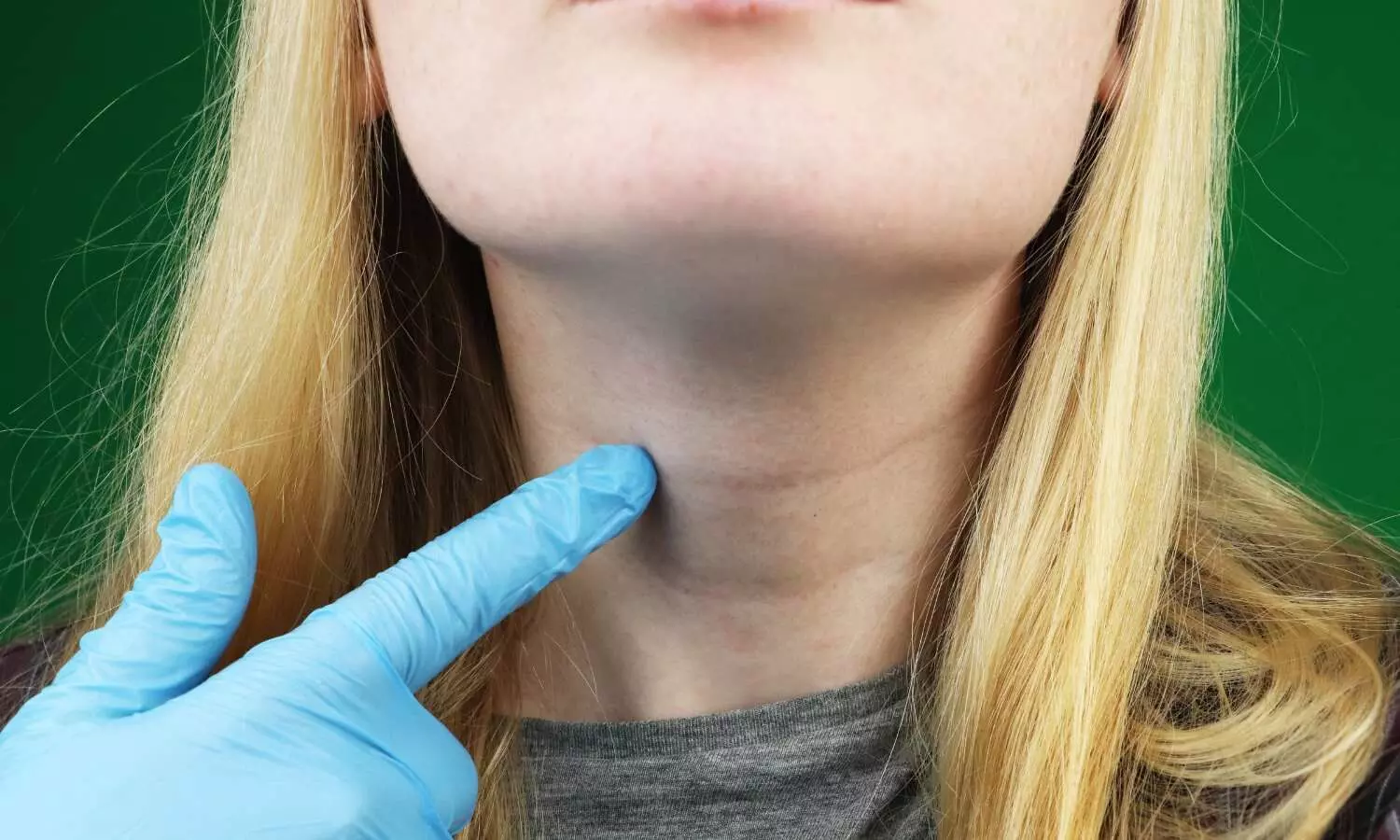


Unraveling the Mystery of Maternal Thyroid and Fetal Health
Maternal hypothyroidism is a common concern during pregnancy, known for its potential links to impaired cognitive development in children. However, the actual effects of a mother’s low thyroid hormone levels on her baby’s developing thyroid gland have remained unclear. This new prospective study, published in BMC Pregnancy and Childbirth, set out to answer whether maternal hypothyroidism truly influences the fetal thyroid gland and related pregnancy outcomes.
The Study: Tracking Thyroid Health from Mom to Baby
Researchers followed 136 pregnant women—68 with hypothyroidism and 68 with healthy pregnancies—at a major Chinese hospital. All hypothyroid mothers were diagnosed before 14 weeks of pregnancy and were monitored closely, with regular ultrasound checks of their babies’ thyroid glands at two key stages: 20–24 weeks and 28–32 weeks gestation. Most women with hypothyroidism received levothyroxine to maintain stable hormone levels throughout pregnancy.
What Did the Researchers Find?
Surprisingly, the study found virtually no difference in fetal thyroid size between babies born to mothers with hypothyroidism and those born to mothers without thyroid issues. At both ultrasound time points, thyroid volumes were almost identical. Furthermore, there were no significant differences between groups in birth weight, gestational age at birth, rates of preterm birth, or neonatal thyroid function (measured with routine screening just after birth).
Even after adjusting for factors like maternal age, BMI, method of conception, and pregnancy complications, these results held steady. Subgroup analyses examining different types of hypothyroidism, medication doses, and timing of treatment initiation also showed no meaningful variation in fetal thyroid size.
Why Do These Results Matter?
This research provides reassuring news for women with well-managed hypothyroidism. As long as maternal thyroid hormone levels are kept under control, the risk of adverse impacts on the baby’s thyroid development appears minimal. While earlier animal studies and some clinical data raised concerns about fetal thyroid and brain development, this human study suggests that real-world impacts on the fetal thyroid gland are limited—at least when hypothyroidism is treated effectively.
Limitations and the Road Ahead
It’s important to note that most mothers in the study had well-controlled, and often mild, hypothyroidism. The results might not extend to cases of untreated or severe maternal hypothyroidism. Additionally, the study relied on ultrasound to assess fetal thyroid size, which may not detect subtle functional problems.
Key Takeaways
Well-controlled maternal hypothyroidism did not significantly alter fetal thyroid gland size or function.
No difference was observed in birth weight, gestational age, or preterm birth rates between groups.
Effective medication and regular monitoring are key for thyroid health in pregnancy.
The study highlights the importance of early detection and management of hypothyroidism.
More research is needed to understand the effects of untreated or severe hypothyroidism.
Citation:
Feng X, Sun H, Liu T, Li L. Impact of maternal hypothyroidism on fetal thyroid gland: a prospective observational study. BMC Pregnancy and Childbirth. 2025;25:594. https://doi.org/10.1186/s12884-025-07714-w
