
Study Finds Circumvallate Placenta as Significant Cause of Midtrimester Bleeding: Study
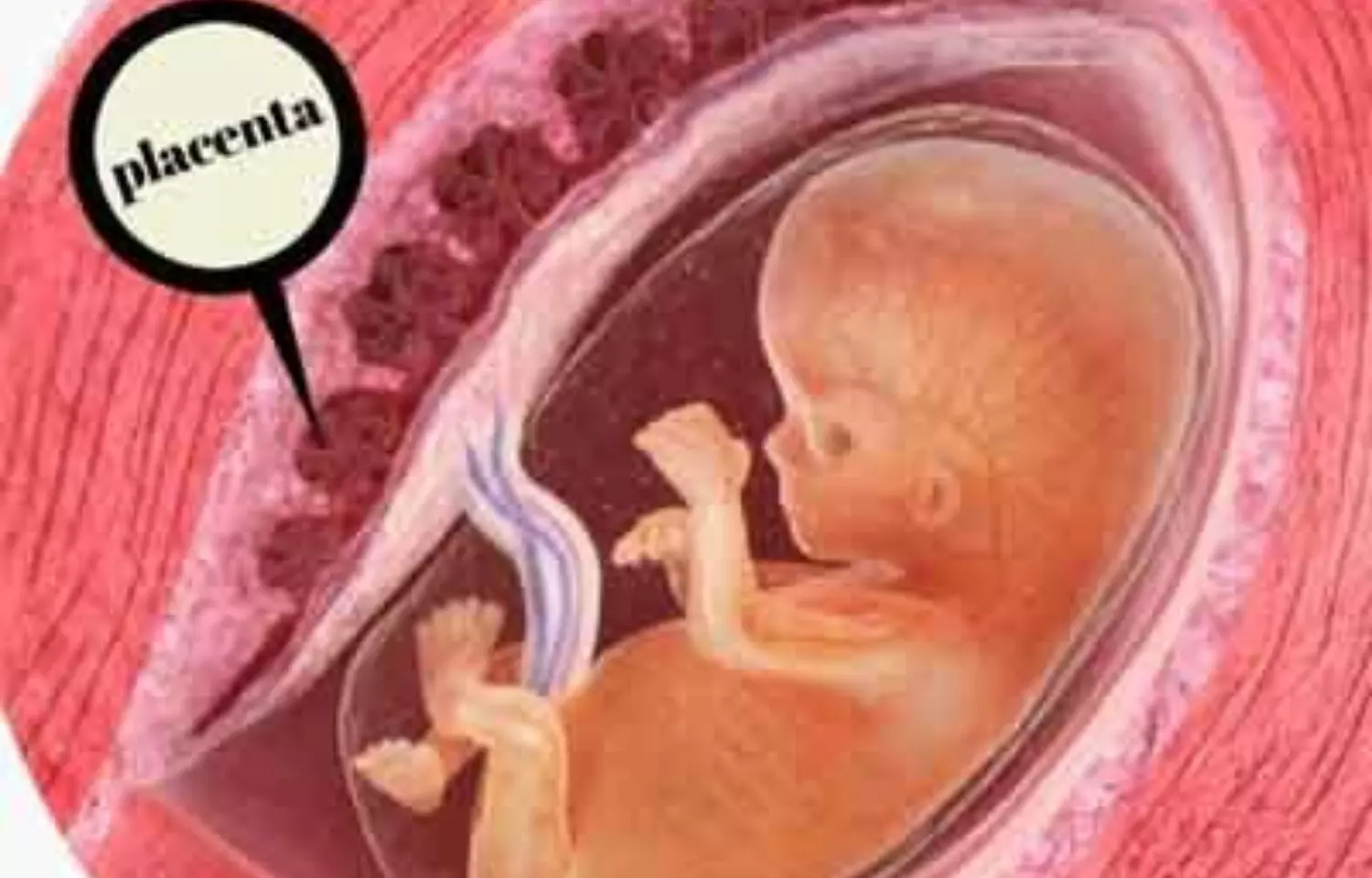


A recent study published in the Indian Obstetrics & Gynaecology in February 2026 identifies circumvallate placenta as a critical morphological driver behind a staggering 60% rate of preterm premature rupture of membranes (PPROM) and retroplacental clots, urging obstetricians to heighten clinical suspicion for midtrimester bleeding to anticipate acute obstetric crises.
Once considered rare, circumvallate placenta is an underdiagnosed anomaly linked to fetal growth restriction and high perinatal mortality. Despite these risks, the condition is frequently overlooked in modern obstetric literature. To address this gap, Dr. Rajneet N. Bhatia (Clinical Associate, Mumbai) and colleagues evaluated the condition's incidence and fetomaternal outcomes to improve antenatal detection through clinical presentation.
Therefore, the retrospective study analyzed 10 pregnancies where circumvallate placenta was diagnosed via gross macroscopic examination and photography. After excluding placenta previa, uterine anomalies, and coagulation disorders, investigators evaluated clinical outcomes, focusing on fetal survival and complications like PPROM.
Key Clinical Findings of the Study Include:
Universal Clinical Presentation: The analysis showed that every patient in the study presented with midtrimester vaginal bleeding that lacked any other obvious clinical etiology, representing a 100% correlation within this specific group.
Rupture and Fluid Issues: The research revealed that 60% of patients experienced preterm premature rupture of membranes during their pregnancy, while severe oligohydramnios was detected in 20% of the cases.
Placental Pathology Indicators: Findings indicated that retroplacental clots were discovered in 60% of cases upon delivery, and significant accidental hemorrhage occurred in 20% of the cohort.
Pregnancy Resolution Trends: Documentation showed that fetal survival was restricted to 40% in this study, with 60% of the pregnancies ending in midtrimester abortions.
Maternal Morbidity Factors: Data reported that postpartum hemorrhage occurred in 10% of cases, while 20% of the women experienced retained placental tissue requiring medical or surgical intervention.
The results suggest that circumvallate placenta, which occurred at an incidence of 0.6% in this practice, significantly predisposes patients to preterm emergency Lower Segment Caesarean Sections (LSCS) and poor outcomes such as fetal loss or prolonged Neonatal Intensive Care Unit (NICU) stays.
Thus, the study concludes clinicians should consider the possibility of circumvallate placenta in any instance of midtrimester bleeding that remains unexplained after initial evaluation.
While the current study was limited by the absence of histopathologic corroboration, there is an attractive opportunity for future research to refine antenatal ultrasound screening protocols for detecting the unique structural abnormalities associated with this condition.
Reference
Bhatia RN, Sheriar NK. Circumvallate placenta—a significant cause of midtrimester bleeding. Indian Obstet Gynaecol. 2025;15(4):16-20.
