What are Indications of caesarean section in nulliparous women in tertiary health care centre?
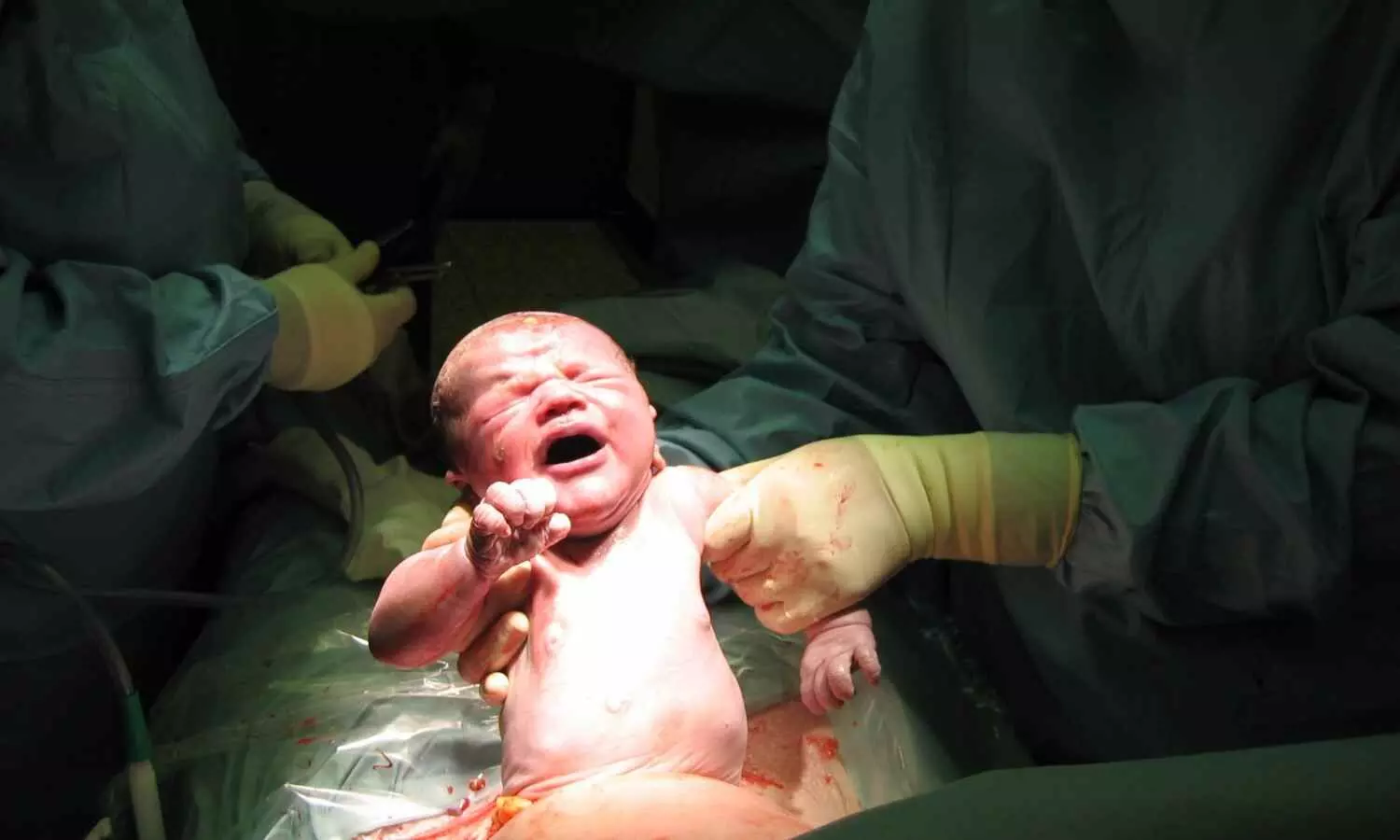


Pregnancy and childbirth, which are natural processes, may carry some type of risk along with them. A cesarean section is an obstetrical emergency which can save the lives of both mother and fetus and is a very effective emergency procedure during complications like fetal distress, dystocia, obstructed labor, and other obstetrical emergencies. However, worldwide, there is a misconception that CS deliveries are safer than vaginal deliveries, but in reality, without a proper indication, CS can carry more risks and harm to the fetus as well as the mother.
As a cesarean section (CS) is a life saving procedure when medically indicated, it can also result in many short-term and long-term health complications, such as heavy bleeding, infection, prolonged recovery post-childbirth, challenges in initiating breastfeeding and establishing skin to-skin contact with the newborn, as well as an increased likelihood of complications in subsequent pregnancies. Additional risks encompass the need for blood transfusion, anesthesia-related complications, internal organ injury, thromboembolic disease, neonatal respiratory distress, and other consequences associated with iatrogenic prematurity.
This retrospective chart review shows the indications and immediate outcomes of Caesarean section deliveries at a tertiary healthcare center. By analyzing this data can understand the factors leading to the high rates of Caesarean deliveries in the Indian population. This was a retrospective study conducted at Dr. D.Y. Patil Hospital from January 2023 to December 2023. A total of 1000 nulliparous women who underwent caesarean section were included. Statistical analysis was performed using the chi-square test with a significance level of p < 0.05.
Majority of cases around 74% were referred cases (>37 weeks – size-87%). Most common indication are fetal distress (25%), CPD (18%), Oligohydramnios (14%), Preeclampsia (12%), Non Progression of Labor (11%), PROM with Poor Bishops Score (10%), Breech presentation (6%), Caesarean Delivery on Maternal Request (1%), Placenta Previa (1%), Twin Gestation(1%), Diabetes with Macrosomia(1%). Around 77% were healthy, NICU admissions were 23%, in which 4% required ventilator support and 0.3% were still births. When indications were compared between term and preterm patients, p value came significant for foetal distress followed by CPD in labour and PROM with bishops score and when perinatal outcome were compared, it came more significant for ventilator support babies.
It's interesting to note that fetal distress was the primary reason for Caesarean sections, especially in pre-term deliveries. On the other hand, cephalo-pelvic disproportion was more common in term deliveries. It's good to know that non-medical reasons for Caesarean deliveries were not significantly high at our hospital. Adverse neonatal outcomes were observed in about 23% of cases, particularly in pre-term deliveries. However, it's important to note that this study was conducted in a tertiary care center where cases with significant morbidities were referred. Therefore, the findings may not be applicable to the entire Indian population.
Source: Deepika et al. / Indian Journal of Obstetrics and Gynecology Research 2026;13(1):57–61