
Why Ovaries May Stop Working Early: Insights from a Major Research Review
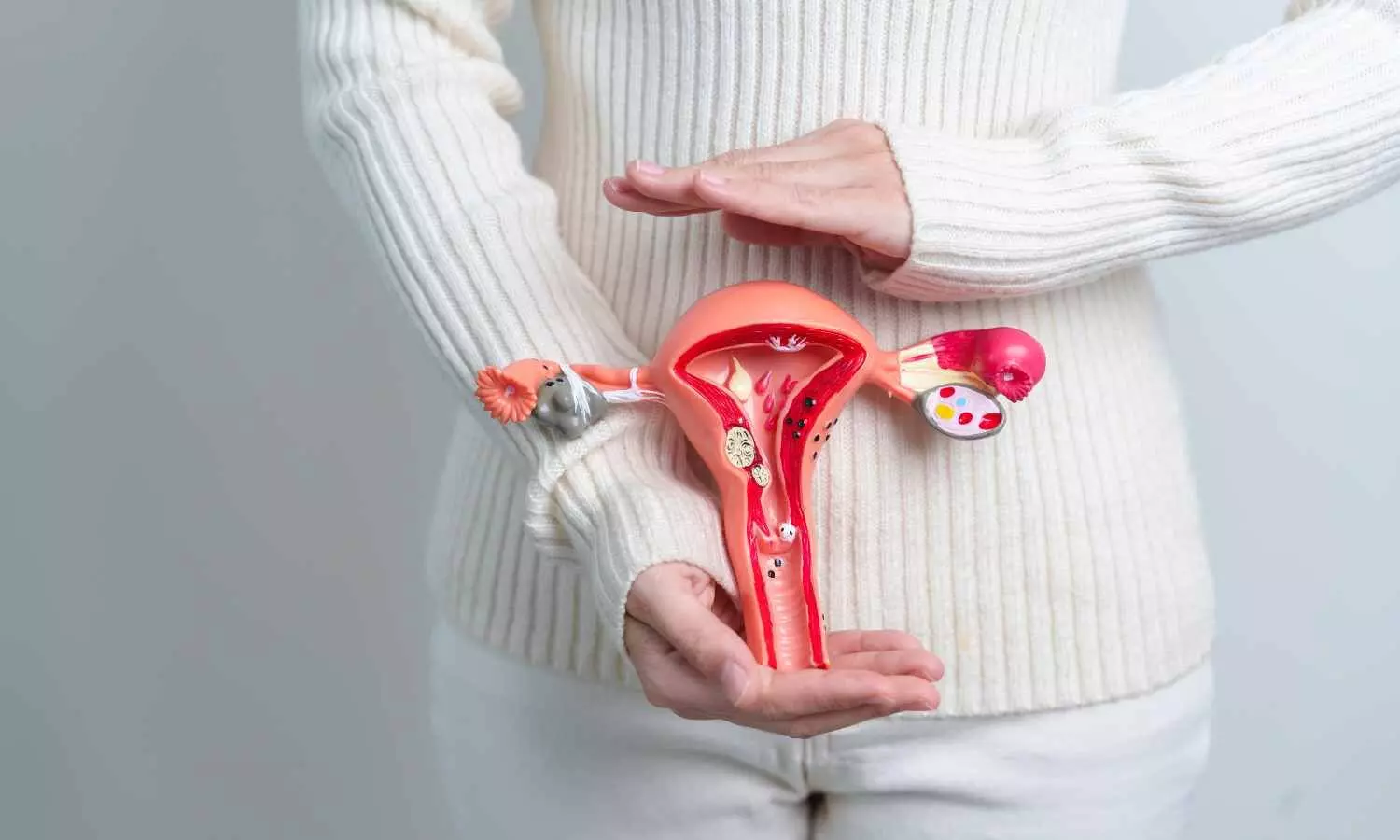


Premature ovarian insufficiency (POI) is a life-changing condition affecting women under 40, marked by diminished ovarian function, irregular menstruation, and early infertility. While the causes of POI are diverse and often mysterious, a recent systematic review and meta-analysis published in the Journal of Obstetrics and Gynaecology sheds new light on the modifiable and non-modifiable factors that elevate risk, offering hope for prevention and early intervention.
The diagnostic criteria for POI are amenorrhoea or oligomenorrhea lasting at least 4months and elevated follicle-stimulating hormone (FSH) levels exceeding 25U/L on two separate tests, spaced 4weeks apart. The global incidence of POI is reported to range from 1% to 4%, with a prevalence of 3.7%.
The meta-analysis included participants who were patients with disorders related to ovarian function decline, such as premature ovarian failure, POI, or diminished ovarian reserve.
The metaanalysis included a total of 38 studies. All included studies were case-control studies. A total of 4,968 cases and 5,158 control subjects were involved across the studies. The results as reflected by the given systematic review and meta‐analysis showed the following:
The findings reveal a multifactorial etiology, with both lifestyle and hereditary elements playing substantial roles:
1. Lifestyle Hazards:
o Chemical Exposure & Hair Dyeing: Regular exposure to chemicals, especially in certain professions (e.g., hairdressing), and frequent hair dye use significantly increased POI risk (OR up to 4.7).
o Smoking & Sleep Deprivation: Both active and passive smoking, along with chronic sleep deprivation (less than 6 hours per night), were found to nearly triple or quadruple the risk.
o Negative Emotional States: Type A personalities, chronic stress, and persistent bad moods were among the strongest predictors, with Type A behavior increasing risk sixfold.
2. Medical and Surgical Histories:
o Family History & Infections: Women with a family history of POI were four times more likely to develop the condition. A history of mumps, particularly in childhood, was also a strong risk factor.
o Gynecological Surgeries & Abortions: Past pelvic surgeries and multiple induced abortions were consistently associated with heightened POI risk.
Protective Factors:
Certain habits can help safeguard ovarian health:
• Physical Exercise: Regular, moderate activity emerged as a significant protective factor, reducing POI risk by as much as 70%.
• Vegetable Intake: Diets rich in vegetables and plant-based nutrients offered additional protection, thanks to their antioxidant and anti-inflammatory effects.
The meta-analysis also emphasizes the role of the gut microbiome in POI.
These results highlight the multifactorial nature of POI and underscore the importance of considering a wide range of risk factors in both clinical practice and public health strategies.
Clinical and Public Health Implications
Early screening of high-risk population, combined with the initiatives like public health strategies including educating the public on smoking cessation, stress management and healthy nutrition along with implementing workplace measures to reduce chemical exposure and support mental well-being can help improve outcomes for individuals at risk of POI.
BULLET POINTS:
• POI is related with abnormal menstruation, hair dyeing, chemical exposure, Type A personality, survival stress, sleep deprivation, bad mood, smoking history, family history of POI, history of mumps, number of abortions, and history of pelvic surgery.
• Physical exercise and vegetable intake may provide protection against the development of POI.
• The findings underscore the importance of managing lifestyle factors and stress to reduce the risk of premature ovarian insufficiency.
• Early screening for high-risk groups and the initiatives like public health strategies may help preserve fertility.
REFERENCE: Shuling Lin, Shanyan Chen & Qin Zhang (2025) Factors influencing premature ovarian insufficiency: a systematic review and meta-analysis, Journal of Obstetrics and Gynaecology, 45:1, 2469331, DOI: 10.1080/01443615.2025.2469331
