
Blood test identifies HPV-associated head and neck cancers up to 10 years before symptoms: Study


Human papilloma virus (HPV) causes around 70% of head and neck cancers in the United States, making it the most common cancer caused by the virus, with rates increasing each year. Unlike cervical cancers caused by HPV, there is no screening test for HPV-associated head and neck cancers. This means that patients are usually diagnosed after a tumor has grown to billions of cells in size, causing symptoms and spreading to lymph nodes. Screening methods that can detect these cancers much earlier could mean earlier treatment interventions for patients.
In a new federally funded study, published in the Journal of the National Cancer Institute, Mass General Brigham researchers show that a novel liquid biopsy tool they developed, called HPV-DeepSeek, can identify HPV-associated head and neck cancer up to 10 years before symptoms appear. By catching cancers earlier with this novel test, patients may experience higher treatment success and require a less intense regimen, according to the authors.
“Our study shows for the first time that we can accurately detect HPV-associated cancers in asymptomatic individuals many years before they are ever diagnosed with cancer,” said lead study author Daniel L. Faden, MD, FACS, a head and neck surgical oncologist and principal investigator in the Mike Toth Head and Neck Cancer Research Center at Mass Eye and Ear, a member of the Mass General Brigham healthcare system. “By the time patients enter our clinics with symptoms from the cancer, they require treatments that cause significant, life-long side effects. We hope tools like HPV-DeepSeek will allow us to catch these cancers at their very earliest stages, which ultimately can improve patient outcomes and quality of life.”
HPV-DeepSeek uses whole-genome sequencing to detect microscopic fragments of HPV DNA that have broken off from a tumor and entered the bloodstream. Previous research from this team showed the test could achieve 99% specificity and 99% sensitivity for diagnosing cancer at the first time of presentation to a clinic, outperforming current testing methods.
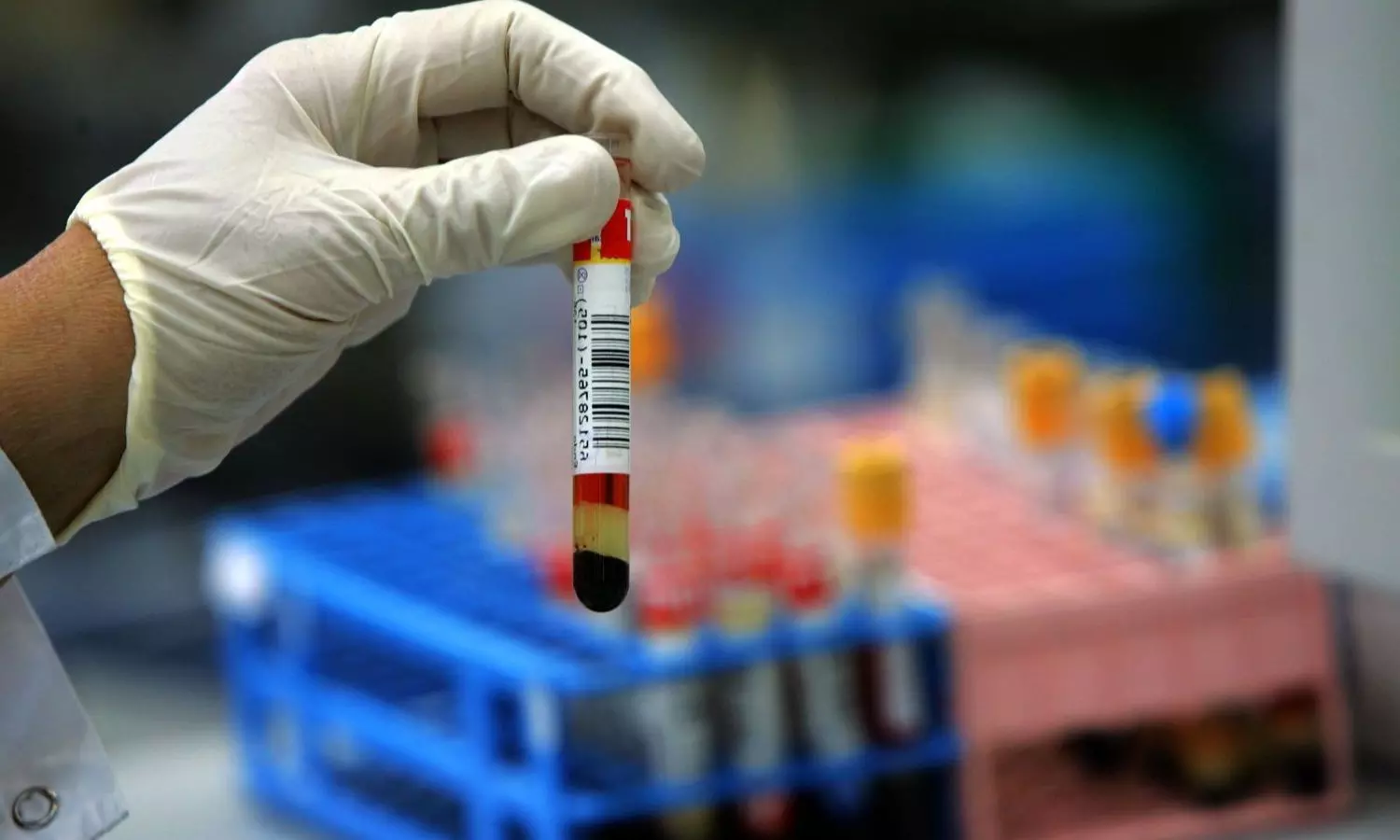
To determine whether HPV-DeepSeek could detect HPV-associated head and neck cancer long before diagnosis, researchers tested 56 samples from the Mass General Brigham Biobank: 28 from individuals who went on to develop HPV-associated head and neck cancer years later, and 28 from healthy controls.
HPV-DeepSeek detected HPV tumor DNA in 22 out of 28 blood samples from patients who later developed the cancer, whereas all 28 control samples tested negative, indicating that the test is highly specific. The test was better able to detect HPV DNA in blood samples that were collected closer to the time of the patients’ diagnosis, and the earliest positive result was for a blood sample collected 7.8 years prior to diagnosis.
Using machine learning, the researchers were able to improve the test’s power so that it accurately identified 27 out of 28 cancer cases, including samples collected up to 10 years prior to diagnosis.
Reference:
Dipon Das, Shun Hirayama, Ling Aye, Michael E Bryan, Saskia Naegele, Brian Zhao, Vasileios Efthymiou, Julia Mendel, Adam S Fisch, Zoe Guan, Lea Kröller, Birgitta E Michels, Tim Waterboer, Jeremy D Richmon, Viktor Adalsteinsson, Michael S Lawrence, Matthew G Crowson, A John Iafrate, Daniel L Faden, Circulating tumor human papillomavirus DNA whole genome sequencing enables human papillomavirus-associated oropharynx cancer early detection, JNCI: Journal of the National Cancer Institute, 2025;, djaf249, https://doi.org/10.1093/jnci/djaf249
