FMT Plus Immunotherapy Delivers 80 Percent Response Rate in Advanced NSCLC: Phase 2 Trial
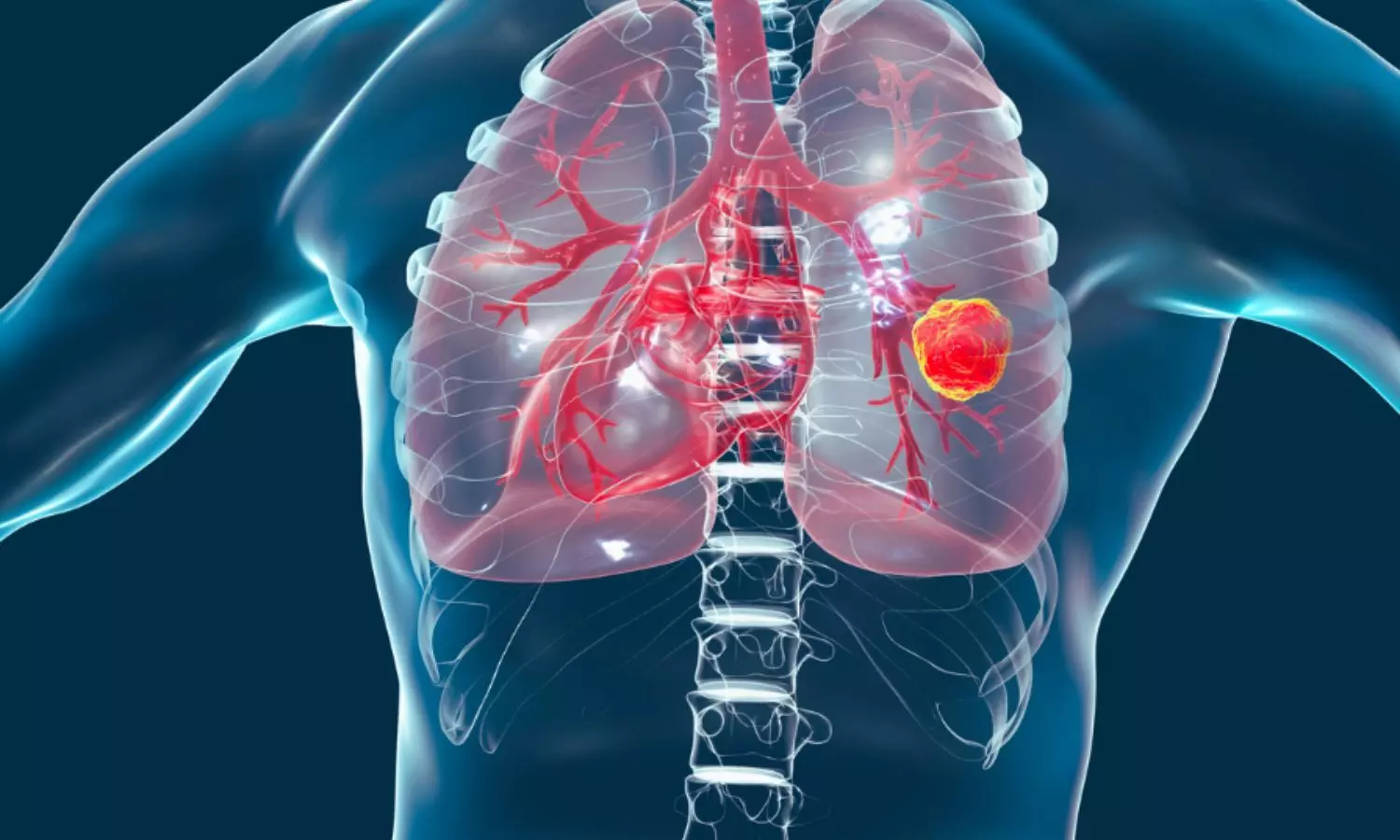


Canada: A recent phase 2 trial involving treatment-naive patients found that combining fecal microbiota transplantation (FMT) with immune checkpoint inhibitors (ICI) achieves high objective response rates (ORR) of 80% in non-small cell lung cancer (NSCLC) and 75% in melanoma.
The phase 2 trial was published in the journal Nature Medicine in January 2026.
Although immune checkpoint inhibitors such as anti-programmed cell death protein-1 (PD-1) and anti-cytotoxic T-lymphocyte antigen-4 (CTLA-4) therapies have transformed outcomes in NSCLC and melanoma, nearly half of patients fail to respond due to primary resistance. Growing evidence suggests that the gut microbiome plays a key role in modulating immunotherapy efficacy; however, the clinical benefit and mechanistic basis of combining healthy donor FMT with first-line ICI regimens have remained unclear.
To address this gap, researchers led by Dr Arielle Elkrief of the Université de Montréal, Québec, Canada, conducted the FMT-LUMINate trial to evaluate the clinical activity, safety, and microbiome-driven mechanisms of FMT administered before frontline immunotherapy.
The multicenter, open-label, phase 2 study was conducted across five academic centers in Canada and enrolled 40 patients, including 20 with NSCLC (PD-L1 expression ≥50%) and 20 with cutaneous melanoma. All participants underwent bowel preparation using a polyethylene glycol laxative, followed by oral ingestion of 36–40 FMT capsules derived from healthy donors. Within one week of FMT, patients with NSCLC initiated pembrolizumab monotherapy, while those with melanoma received dual ICI therapy with nivolumab and ipilimumab. The primary endpoint was ORR in the NSCLC cohort, while secondary endpoints included ORR in melanoma, safety outcomes, disease control rate (DCR), and donor–recipient microbiome similarity.
Key Findings of the Study:
- Lung Cancer Outcomes: The NSCLC cohort achieved an 80% ORR and a 95% disease control rate (DCR), with 100% overall survival (OS) at one year.
- Melanoma Outcomes: Patients reached a 75% ORR, with a one-year OS of 79% and a progression-free survival (PFS) of 58%.
- Microbial Remodelling: Clinical success is primarily driven by the depletion of harmful baseline species, such as Clostridium innocuum and Enterocloster citroniae, rather than just the engraftment of donor strains.,
- Safety Disparity: While NSCLC patients experienced no adverse events (AEs) of grade 3 or higher, 65% of the melanoma cohort faced severe toxicities.,
- Toxicity Predictors: Severe AEs, including a 15% incidence of myocarditis, clustered in recipients of Prevotella-rich donors, suggesting a context-dependent risk when used with a dual ICI backbone.
These results suggest that FMT effectively sensitizes tumors by eliminating immunosuppressive "pathobionts," which in turn reduces kynurenine levels and expands circulating CD8+ memory T cells. Metagenomic analysis confirmed that responders exhibited a significantly greater depletion of species-level genome bins (SGBs) compared to non-responders.
Dr. Elkrief and colleagues conclude that the "elimination of deleterious taxa is required for FMT-mediated therapeutic benefit," providing an actionable framework for donor selection and the rational design of next-generation microbial therapies that prioritize the removal of harmful bacteria to optimize systemic immunity.
While the trial demonstrated clear clinical efficacy, the authors acknowledge that the findings are interpreted within the context of a small, single-arm study design using multiple donors and were influenced by pandemic-related enrollment adjustments, indicating a need for larger mechanistic studies to further explore the complex interplay between microbial depletion, toxicity, and therapeutic response.
Reference