Organ Preservation After TNT May Improve Long-Term Quality of Life in Rectal Cancer, finds study
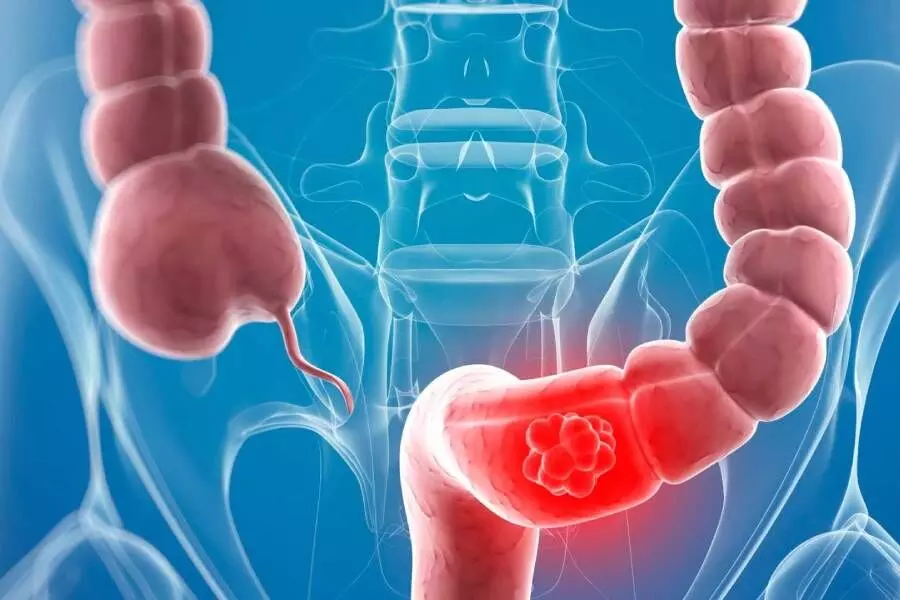


A new study published in the Journal of American Medical Association showed that preserving the organ after total neoadjuvant therapy (TNT) might provide significant quality-of-life advantages for up to five years in rectal cancer patients who attain a full clinical response.
The use of TNT enhances the chances of achieving a complete pathological response and improving disease-free survival in high-risk rectal cancer patients. Due to the rise in clinical complete response rates, there has been an increase in the adoption of watch-and-wait (WW) approaches, as shown in the OPRA trial, which indicated a 53% five-year survival without total mesorectal excision (TME). Thus, this research assessed the long-term quality of life and functional outcomes related to organ preservation following TNT.
In this retrospective cohort study, data from the CAO/ARO/AIO-12 and CAO/ARO/AIO-16 trials were utilized, with participants recruited between June 15, 2015, and October 7, 2020, from 19 centers in Germany. The study included individuals diagnosed with cT3 to cT4 or node-positive rectal adenocarcinoma. The comprehensive neoadjuvant therapy consisted of a combination of chemoradiation therapy with either induction or consolidation chemotherapy. The impact of WW on functional outcomes and quality of life (QOL) was evaluated using EORTC QLQ-C30, EORTC QLQ-CR29, and Wexner score questionnaires collected prospectively.
Initial questionnaires were completed by 346 out of 385 patients (89.9%), with a median age of 60 years and 67% being male. The number decreased to 185 (48.1%) after 5 years. Through longitudinal analysis, it was observed that there were significant improvements in various aspects such as fecal incontinence, stool frequency, embarrassment, flatulence, buttock pain, social, physical and role functioning, and overall health status with the WW approach.
These positive changes were evident in both groups, those preserving organs and those free of disease. Patients who maintained a complete response clinically after 3 years also saw enhancements in bowel symptoms, skin soreness, embarrassment, and social and role functioning when compared to those who achieved a complete response pathologically or had similar baseline characteristics.
Overall, this research offers indications implying enduring and significant advantages for organ conservation in terms of quality of life, particularly for the majority of gastrointestinal dimensions, interpersonal interactions, and overall health condition.
Source:
Diefenhardt, M., Fokas, E., Kosmala, R., Polat, B., Germer, C. T., Schlenska-Lange, A., Kuhnt, T., Ghadimi, M., Rieken, S., Wiegering, A., Schwarzbach, M., Fleischmann, M., Grützmann, R., Ott, O. J., Martus, P., Königsrainer, A., Zips, D., Hofheinz, R.-D., Gani, C., & Rödel, C. (2026). Organ preservation and quality of life after total neoadjuvant treatment in rectal cancer. JAMA Network Open, 9(10), e2639063. https://doi.org/10.1001/jamanetworkopen.2026.39063