Very Hot Beverages Linked to Higher Esophageal Cancer Risk: Study
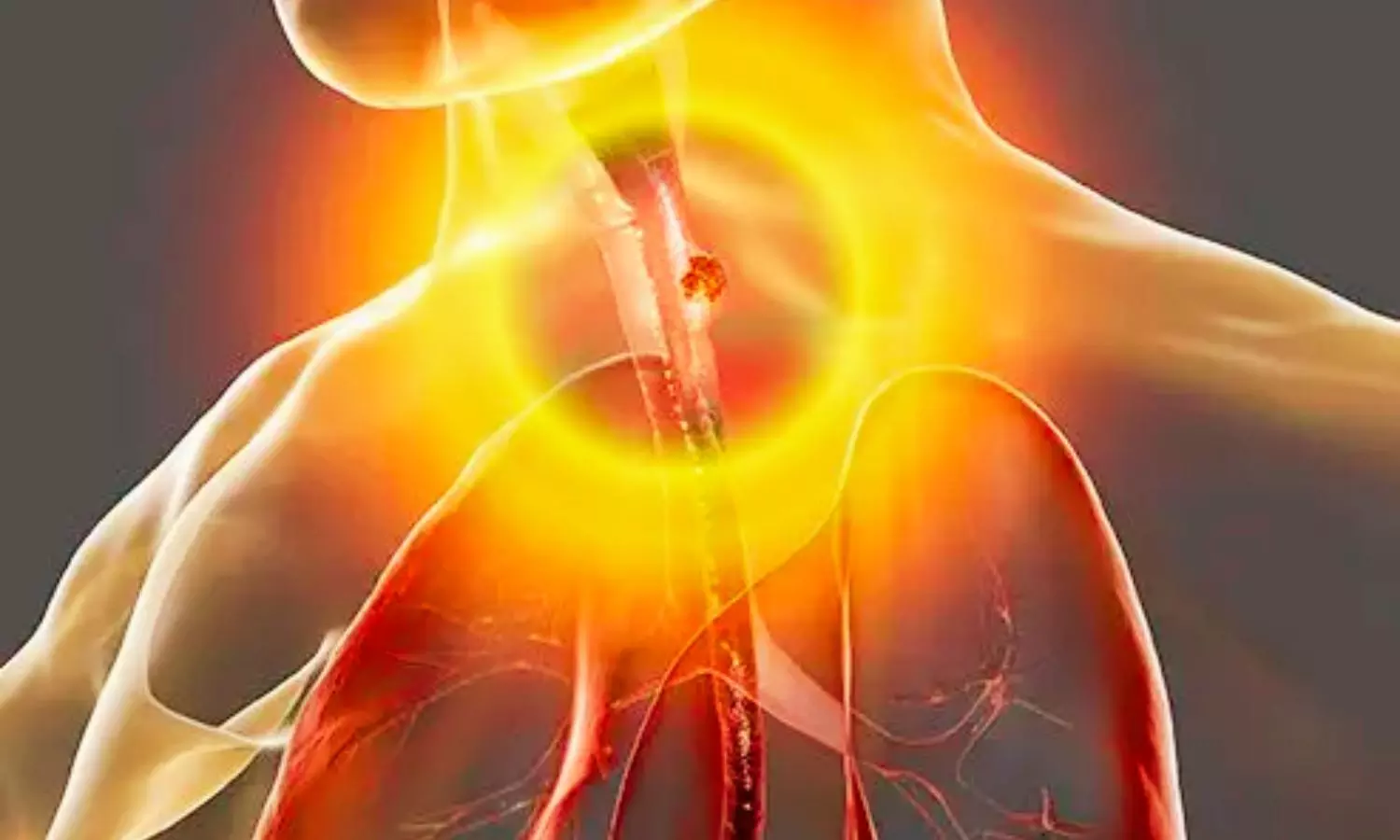


According to an analysis of two large UK cohorts published in the International Journal of Cancer, drinking hot beverages at a “very hot” temperature was associated with approximately a threefold higher risk of esophageal squamous cell carcinoma compared with consuming them at a “warm” temperature. The findings suggest that avoiding extremely hot beverages and allowing them to cool before drinking may help reduce esophageal cancer risk. The study was published in the International Journal of Cancer by Keren P. and colleagues.
To determine the influence of self-reported preference in beverages’ temperature and frequency of drinking on particular histological types of oesophageal cancer, researchers analyzed the data of 977,282 subjects recruited from two major cohorts of United Kingdom – the Million Women Study (MWS) and the United Kingdom Biobank (UKB). Follow-up was carried out within 14.2 years of the Million Women Study and 11.1 years of the United Kingdom Biobank.
Cox proportional hazards regression model was applied to estimate hazard ratios (relative risks, RRs) with 95% confidence intervals (CIs) for development of oesophageal squamous cell carcinoma (SCC) and adenocarcinoma (AC). Main exposures included the self-reported preferred drinks’ temperature – cold, warm, hot, and very hot, and frequency of drinking tea and coffee per day. Inverse-variance weighted average of log relative risks for cohort-specific estimates was used to obtain pooled risk estimates, accounting for main confounding factors.
Key findings:
- During the follow-up period of many years, there have been recorded 2,348 new cases of oesophageal cancer in the combined cohort, including 1,045 cases of squamous cell carcinomas and 1,303 adenocarcinomas.
- Drinking beverages at 'very hot' versus 'warm' temperature is associated with significantly higher risk of squamous cell carcinoma development (RR = 3.17 [95% CI: 2.49, 4.03]), adjusting for consumption frequency.
- Drinking beverages at 'very hot' temperature is not associated with the significantly higher risk of adenocarcinoma development (RR = 0.92 [95% CI: 0.76, 1.12]).
- Controlling for beverage temperature, drinking 6 or more hot beverages daily instead of less than 6 hot drinks daily increased SCC risk by 71% (RR = 1.71 [95% CI: 1.51, 1.94]).
- Conversely, drinking 6 or more hot drinks daily resulted in only slight increased risk of adenocarcinoma development (RR = 1.19 [95% CI: 1.06, 1.33]).
- It has been estimated that about 14% of esophageal squamous cell carcinomas in UK population could have been prevented if those people who consumed drinks at 'very hot' temperature switched to consuming drinks at typical 'hot' temperature.
In summary, drinking of extremely hot beverages is known to predispose to squamous cell carcinoma of the esophagus in Western countries. The findings of the study show that temperature of drinks and frequency of intake are two critical and easily changeable targets for preventing cancer. Changing temperature of drinks will help in preventing most cases of squamous cell carcinoma of the esophagus globally.
Reference:
K. Papier, K. Gaitskell, S. Floud, and G. K. Reeves, “ Hot Drinks and Oesophageal Cancer: Prospective Analyses in Around 1 Million UK Adults,” International Journal of Cancer (2026): 1–9, https://doi.org/10.1002/ijc.70654.