
AI Accuracy in Diabetic Retinopathy Screening Depends on fundus Camera Type, suggests study
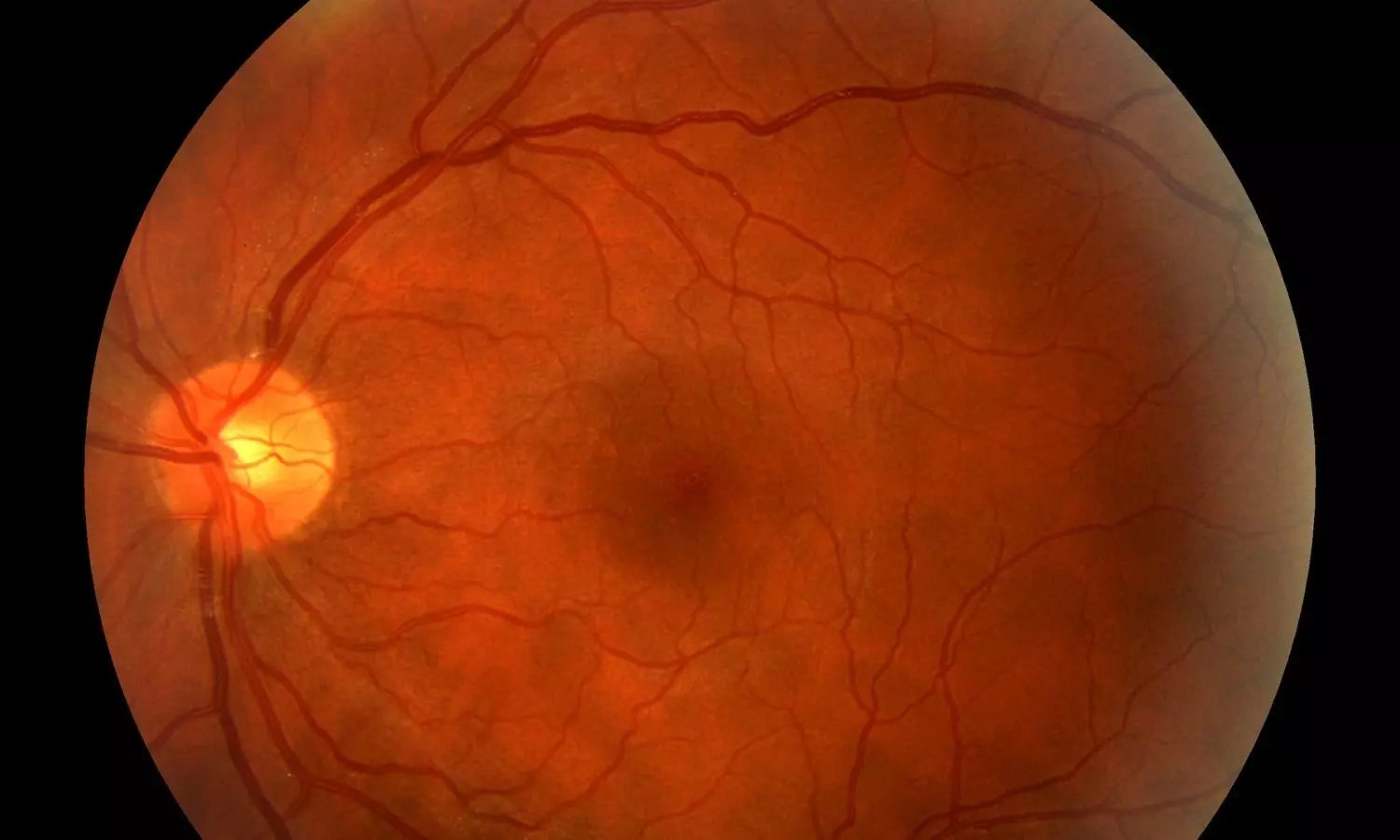


A recent prospective primary care study published in the Indian Journal of Ophthalmology in June 2026 reveals that the real-world accuracy of AI in diabetic retinopathy screening is highly dependent on the specific fundus camera used. While some algorithms achieve an impressive 97.5% sensitivity, rigorous, device-specific validation is essential to prevent excessive false positives and safely integrate AI into clinical practice.
Despite demonstrating >85% accuracy in controlled trials, the real-world clinical performance of AI in diabetic retinopathy screening often varies across different populations and imaging devices. To address this gap, Dr. Anshul Chauhan and colleagues at PGIMER evaluated the real-world diagnostic accuracy of three distinct AI algorithms using two different fundus cameras.
Therefore, the prospective primary care study evaluated the diagnostic accuracy of three artificial intelligence (AI) platforms for diabetic retinopathy screening compared to masked human graders. The analysis included 272 fundus images from 136 diabetic adults captured on two camera systems (Forus and Intuvision), measuring sensitivity, specificity, and predictive values while excluding patients with recent ocular trauma or surgery.
Key Clinical Findings of the Study Includes:
• High Sensitivity vs. Low Specificity: Researchers reported that the first AI algorithm achieved the highest sensitivity of 97.5% on the Forus camera and 81.7% on the Intuvision camera but struggled with lower specificities of 62.7% and 53.8% respectively, risking clinically significant over-referral rates.
• Balanced Diagnostic Performance: Investigators observed that the second algorithm delivered the most clinically balanced results across devices, yielding a high specificity of 95.7% alongside an 80.0% sensitivity on the Forus platform, and a 92.0% specificity with a 77.0% sensitivity on the Intuvision camera.
• Moderate Overall Accuracy: Analysts found that the third algorithm provided moderate diagnostic capabilities, with sensitivity ranging from 73.3% to 79.7% and specificity falling consistently between 82.0% and 86.0% across both camera platforms.
• Impact of Media Opacities: Reviewers discovered that patient comorbidities like cataracts disproportionately affected image gradability, causing the highly sensitive first algorithm to reject significantly more images as ungradable compared to the other evaluated models.
The results suggest that AI performance in DR screening is not universally camera-agnostic, with diagnostic accuracy heavily dependent on specific device specifications, internal calibration thresholds, and inherent patient characteristics, as evidenced by the 100% gradability but nearly 40% under-detection rate seen in the most specific algorithm.
Thus, the study concludes healthcare providers should ensure automated screening algorithms are specifically validated and carefully calibrated for the exact fundus camera systems utilized within their local clinical workflows before full-scale deployment in primary care settings.
Although the real-world clinical setting is a significant strength, the modest sample size, eye-wise analysis without clustering adjustments, and single-site design constrain the broader applicability of the findings, politely highlighting a necessity for wider external validation of specific camera-algorithm pairings and focused testing in patient subgroups with media opacities to refine future screening protocols.
Reference
Chauhan A, Rana G, Verma P, Yadav M, Kumar L, Kaur G, et al. Diagnostic performance of multiple artificial intelligence (AI) algorithms for diabetic retinopathy screening in primary care: Evidence from real-world settings in India. Indian J Ophthalmol 2026.
