Conjunctiva-Sparing Surgery Reduces IOP and Medication Dependency, Suggests Study
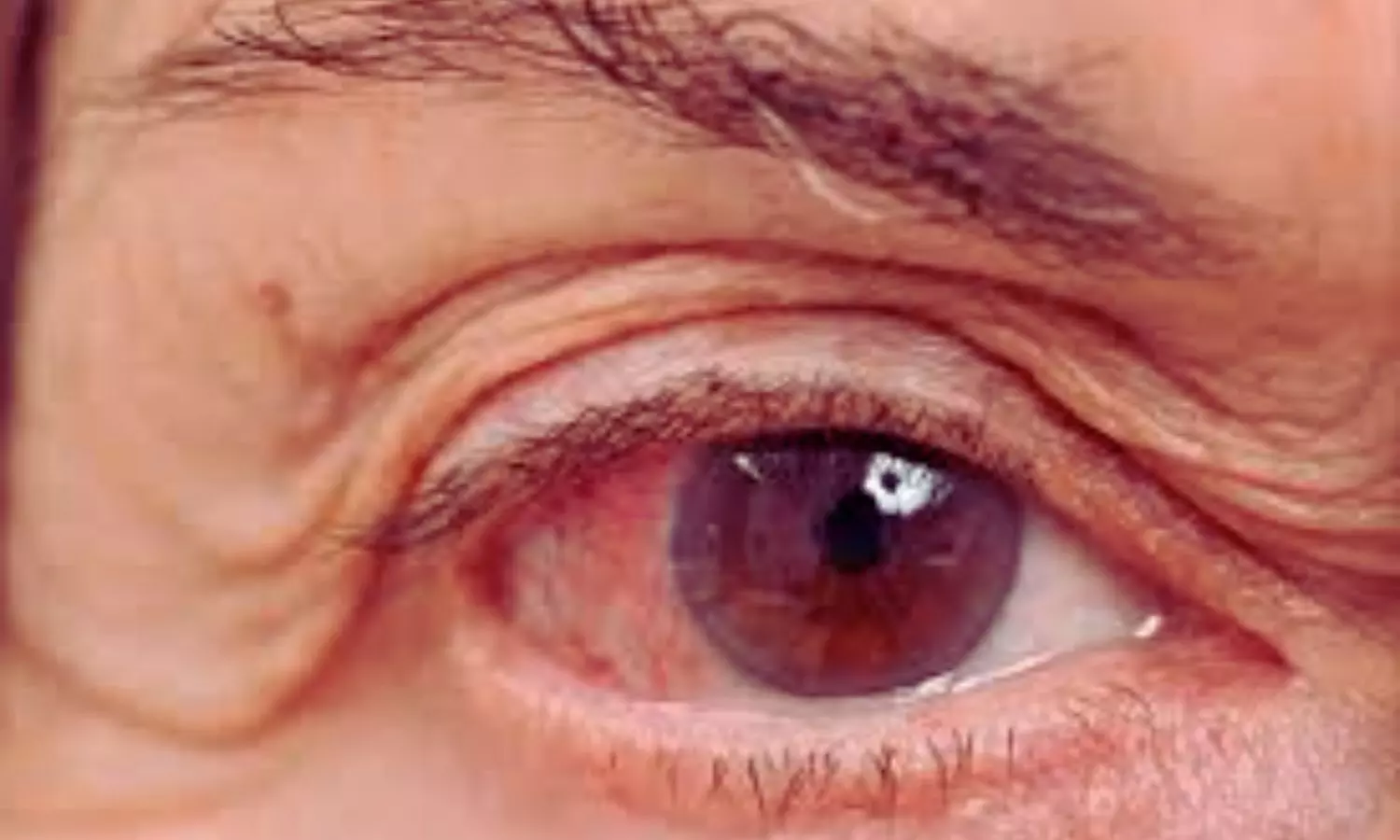


A recent retrospective study published in the Indian Journal of Ophthalmology in January 2026 reveals that combining cataract extraction with a conjunctiva-sparing surgical approach safely delivers an impressive 44% reduction in intraocular pressure and a 93% drop in medication dependency for patients with primary and secondary pseudoexfoliative glaucoma.
While minimally invasive glaucoma surgeries (MIGS) are gaining global traction and limited previous studies have noted their efficacy in Indian populations, there remains a critical need for localized clinical data on the concurrent use of these procedures to manage coexisting conditions; thus, Dr. Pooja Bhomaj and colleagues from Shanti Saroj Netralay in Maharashtra aim to evaluate the early outcomes and safety profiles of combined phacoemulsification and suture gonioscopy-assisted transluminal trabeculotomy (GATT) over a one-year period to thoughtfully expand modern surgical options.
Therefore, the retrospective study evaluated combined phacoemulsification and suture GATT in 42 eyes with coexisting cataracts and primary open-angle or pseudoexfoliative glaucoma over a 6- to 12-month period. By excluding patients on anticoagulants or those with complex secondary glaucomas, the researchers assessed complete and qualified surgical success based on targeted intraocular pressure reductions.
Key Clinical Findings of the Study Includes:
Intraocular Pressure (IOP) Reduction: Demonstrably, the combined surgical approach significantly lowered the mean baseline eye pressure from 23.05 mmHg to a much healthier 13.4 mmHg by the one-year mark.
Medication Burden Decline: Remarkably, the average daily antiglaucoma medication (AGM) requirement plummeted from nearly two medications (1.93) preoperatively to just 0.13 over twelve months.
High Surgical Success: Successfully, at the final follow-up, the procedure reached an impressive complete success rate of 90% and a qualified success rate of 93%.
Favorable Visual Recovery: Notably, patients experienced substantial improvements in overall visual clarity, with the best-corrected visual acuity (BCVA) sharpening significantly from 0.533 to 0.013 logMAR.
Manageable Complication Profile: Safely, the most frequently observed early complications were transient pressure spikes in 19% of patients and minor anterior chamber bleeding in 14%, all naturally resolving without necessitating major clinical interventions.
The results suggest that combined phacoemulsification and suture GATT is a highly effective, cost-efficient, and safe intervention for patients, successfully driving a 44% reduction in intraocular pressure alongside a 93% decrease in daily medication reliance by the end of one year.
Implementing the conjunctiva-sparing technique as an early intervention allows clinicians to potentially delay or even prevent the need for more invasive filtration surgeries while gently keeping vital future options like trabeculectomy open.
These clinical findings are naturally constrained by a modest sample size, a short follow-up duration, and the inclusion of mixed glaucoma phenotypes, gently indicating that future long-term studies would be beneficial to firmly validate these promising early outcomes.
Reference
Bhomaj P, Patel R, Pujari T, Salunkhe R. Early outcomes of combined suture gonioscopy-assisted transluminal trabeculotomy and phacoemulsification in Indian eyes: A retrospective study. Indian J Ophthalmol 2026;74:389-93.