Neuro-Ophthalmic Disorders Mimic Glaucoma, Suggests Study
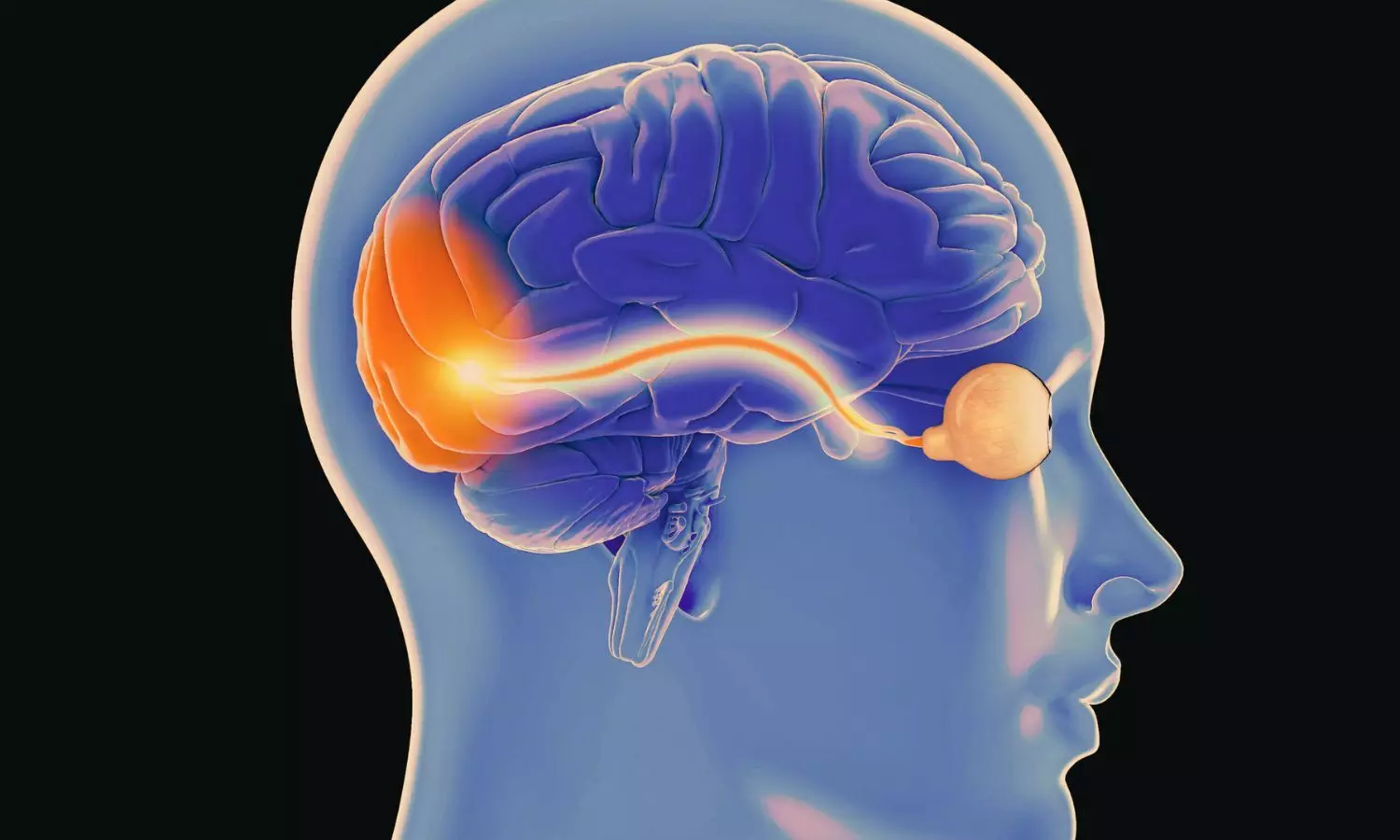


A recent retrospective study published in the Journal of Current Glaucoma Practice in July 2026 reveals that 32% of patients diagnosed with glaucoma actually suffered from mimicking neuro-ophthalmic disorders. This striking rate of misdiagnosis highlights how easily serious neurological conditions can masquerade as routine optic nerve damage.
Differentiating glaucoma from mimicking optic neuropathies is challenging because of overlapping clinical features, especially in resource-limited settings. To address this diagnostic gap, Dr. Priti Singh and colleagues at the All India Institute of Medical Sciences, Bhopal, evaluated the prevalence and patterns of these misdiagnoses to identify corrective clinical strategies.
Therefore, the retrospective study at a Central Indian hospital reviewed 53 patients referred with glaucoma between July and December 2024. Researchers analyzed clinical data, corneal thickness, and advanced imaging for 17 patients ultimately diagnosed with mimicking neuro-ophthalmic conditions instead of glaucoma.
Key clinical findings from the Study Includes:
• Diagnostic Misclassification Rate: The study found that thirty-two percent of the referred cohort (17/53) had been incorrectly diagnosed with glaucoma when they actually suffered from underlying neurological disorders.
• Demographic Risk Factors: The study found that among those misdiagnosed, 58% were younger than 50 years of age, 58.8% were male, and 76.5% presented with bilateral ocular involvement.
• Frequent Clinical Mimickers: The study found that compressive optic neuropathy was the most common masquerader (23.5%), followed closely by demyelinating optic neuropathy at 23.5% and ischemic optic neuropathy at 17.6%.
• Major Confounding Factors: The study found that falsely elevated IOP measurements due to increased CCT, unrecognized optic disc pallor resembling cupping, and a family history of glaucoma were primary drivers of diagnostic bias.
• Critical Diagnostic Modalities: The study found that automated HVF testing and magnetic resonance imaging (MRI) of the brain and orbit with contrast were identified as the most critical investigations to establish a definitive diagnosis.
The results suggest that a significant 32% of referred glaucoma patients actually had neuro-ophthalmic disorders, demonstrating that relying on routine IOP measurements and family history without CCT assessment can lead to unwarranted, lifelong treatments. Consequently, integrating systematic evaluations of clinical red flags and selective neuroimaging is essential to prevent these costly management errors.
Thus, the study concludes clinicians are encouraged to adopt structured diagnostic protocols and undergo specialized training to recognize atypical features like optic disc pallor disproportionate to cupping, ensuring more accurate and timely referrals for suspected neuro-ophthalmic conditions.
Although the research is limited by its retrospective design and a relatively small cohort of fifty-three patients from a single center, it highlights the pressing need for larger, prospective, multicenter trials to validate these findings and standardize diagnostic pathways in diverse clinical environments.
Reference
Singh P, Karkhur S, Duddumpudi RT, et al. Neuro-opthalmic Conditions Misdiagnosed as Glaucoma: A Retrospective Study of Cases and Contributing Factors in a Developing Setting. J Curr Glaucoma Pract 2026;20(2):67–73.