Ophthalmic Screening After Tamoxifen Initiation Remains Inadequate, finds JAMA study
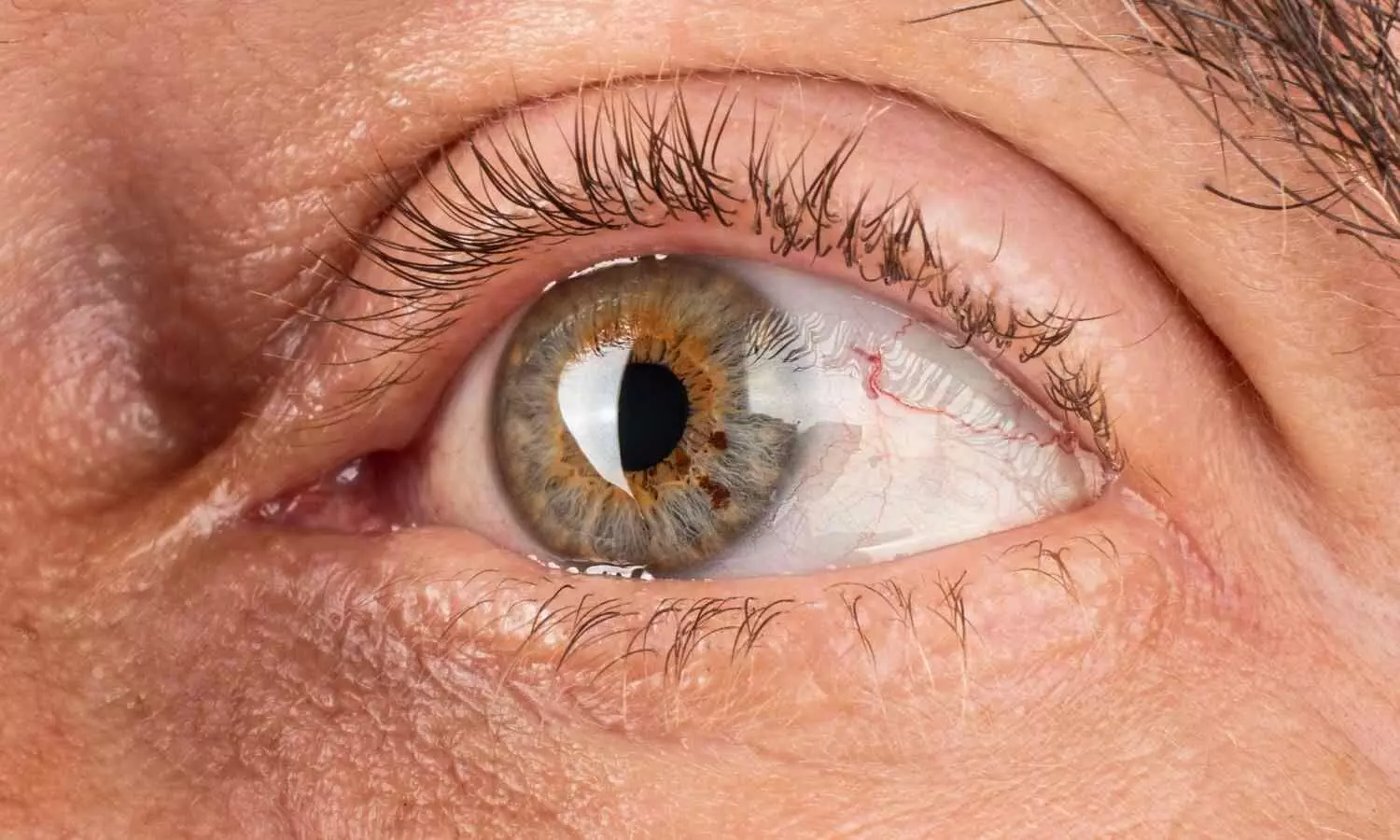


A new study published in the Journal of American Medical Association showed that eye examinations after starting tamoxifen were infrequent, and tests specifically targeting the retina were especially uncommon. Tamoxifen, commonly used to treat hormone receptor-positive breast cancer, has been linked to possible eye-related side effects such as retinopathy, cataracts, and visual impairments.
Conducting eye examinations after starting tamoxifen is crucial for identifying complications related to the treatment. Analyzing the patterns of ophthalmic consultations can aid in improving monitoring approaches, enabling prompt diagnosis, and safeguarding vision. This research evaluated ophthalmic service utilization following tamoxifen initiation, determine associated predictors, and compared 12-month utilization rates between breast cancer patients on tamoxifen and those receiving aromatase inhibitors.
This retrospective cohort study was carried out from May to June 2026 using data from All of Us, with a minimum follow-up period of 365 days. The study setting was a multisite research program based in the United States. Participants were adults who had their first recorded prescription for tamoxifen in the All of Us database, excluding individuals taking hydroxychloroquine. The comparator group consisted of breast cancer patients receiving aromatase inhibitors.
The primary outcome measured was any ophthalmic encounter within a 12-month period, identified through codes related to eye examinations, retinal procedures, and eye visits. Secondary outcomes included retinal optical coherence tomography (OCT) or fundus photography. Logistic regression was used to evaluate predictors and to compare the treatment groups, adjusting for demographic factors, existing medical conditions, healthcare utilization prior to the index date, geographic region, and year of treatment initiation.
Out of 2327 individuals prescribed tamoxifen, 162 (7.0%) had an ophthalmic consultation within a year, and 39 (1.7%) received retinal OCT or fundus photography. Among those with preexisting glaucoma or diabetic retinopathy, 22 of 88 (25.0%) had an ophthalmic visit compared to 140 of 2239 (6.3%) without these conditions. Factors linked to increased ophthalmic use included preexisting glaucoma, higher health care utilization before the index period, and older age.
In the subgroup of participants with breast cancer, 126 of 1886 individuals on tamoxifen (6.7%) had an ophthalmic encounter, whereas 240 of 2809 individuals using aromatase inhibitors did. After controlling for confounding variables, tamoxifen use was not associated with a higher frequency of ophthalmic consultations. Overall, findings from this cohort study indicate that ophthalmic utilization following the commencement of tamoxifen was infrequent, and testing specific to the retina was uncommon.
Source:
Gandhi, S., Balas, M., Wang, P., McKay, B. R., Kertes, P. J., & Martens, R. (2026). Ophthalmic encounters after tamoxifen initiation. JAMA Ophthalmology. https://doi.org/10.1001/jamaophthalmol.2026.4646