
Regenerative Growth Factors Reduce Recurrence in Spinal Surgery, Suggests Study
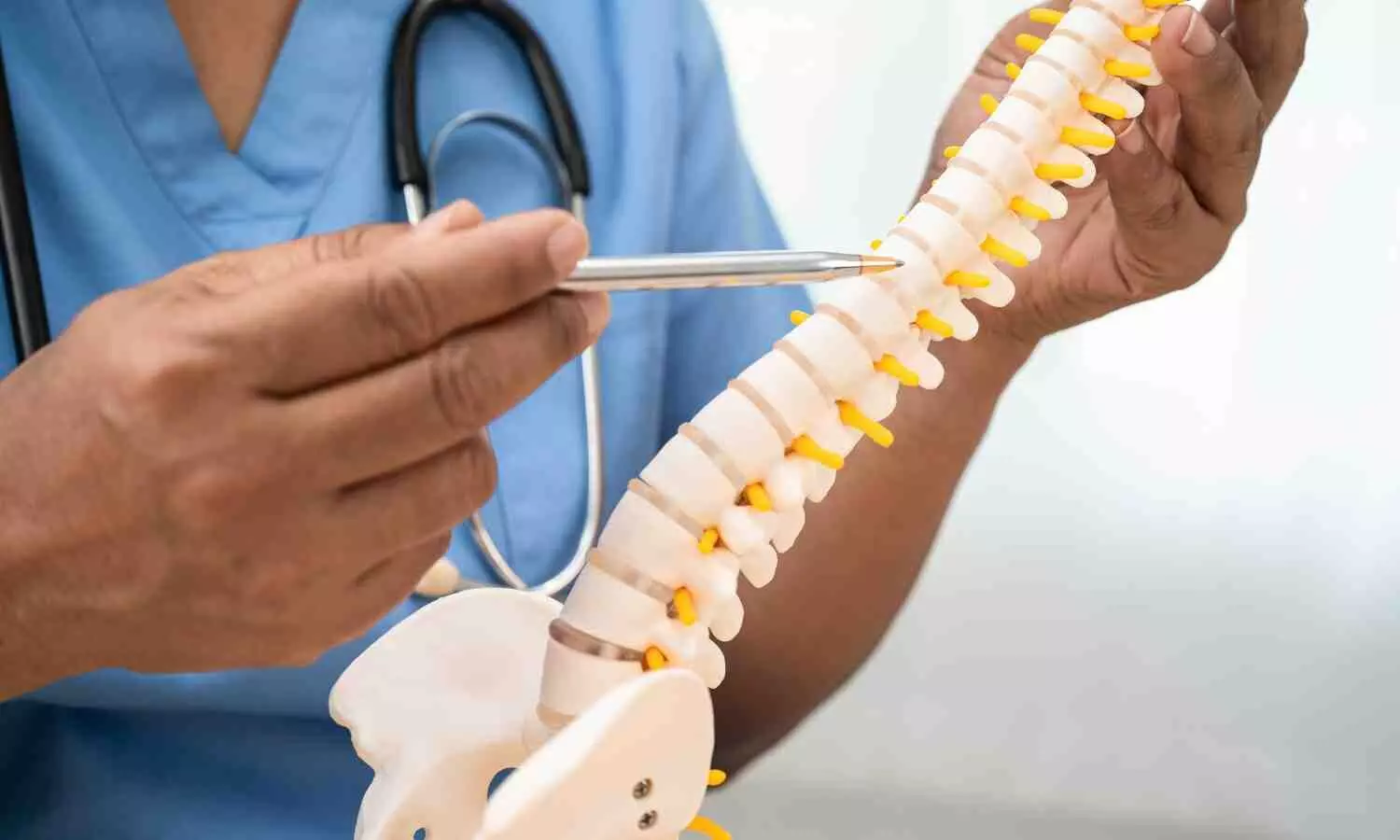


A recent meta-analysis found the breakthrough in spinal surgery revealing that augmenting minimally invasive procedures with regenerative growth factors can significantly improve postoperative disc stability and reduce recurrence rates, as published in the Indian Journal of Orthopaedics in May 2026.
Despite the regenerative potential, the clinical efficacy of Platelet-Rich Plasma (PRP) as an adjunct to percutaneous endoscopic lumbar discectomy (PELD) remains debated. To address this uncertainty, Guy Awad et al. conducted a meta-analysis to determine if this biologic therapy significantly enhances surgical outcomes and patient recovery trajectories
Therefore, the meta-analysis of five studies (479 patients) compared PELD with and without PRP. Researchers assessed pain (VAS), functional recovery (ODI/JOA), and MRI structural markers—including disc height and Pfirrmann grading—excluding any research lacking clear surgical protocols or comparative data.
The key clinical findings of the review include:
Accelerated Pain Relief: Investigators found that patients treated with the biologic adjunct experienced significantly lower low back pain (p < 0.001) and leg pain (p < 0.001) at the three-month follow-up compared to those who underwent the standard procedure.
Enhanced Functional Outcomes: The analysis demonstrated that both clinician-assessed Japanese Orthopaedic Association (JOA) scores and patient-reported functional recovery via the Oswestry Disability Index were significantly superior at both three and six months (p < 0.001).
Preserved Spinal Structure: In the analysis, MRI outcomes revealed greater postoperative expansion of the spinal canal (p < 0.001) and significantly better preservation of intervertebral disc height (p = 0.002) in the group receiving the adjunct.
Mitigated Disc Degeneration: Researchers noted that the intervention group showed significantly less progression in Pfirrmann degenerative grading (p < 0.001), suggesting a protective effect on the disc's structural health.
Reduced Surgical Recurrence: Notably, the addition of the regenerative treatment was associated with a statistically significant reduction in the rate of recurrent lumbar disc herniation (p = 0.007).
The results suggest that platelet-rich plasma serves as a highly effective adjunct to percutaneous endoscopic lumbar discectomy, as it not only enhances early pain control and functional recovery but also contributes to long-term disc integrity and reduced re-operation risks.
Thus, the analysis concludes clinicians may consider incorporating platelet-rich plasma into their endoscopic surgical workflows to potentially optimize the recovery and structural outcomes for patients suffering from lumbar disc herniation.
The current analysis is limited by the relatively small number of comparative studies available, suggesting that while the initial data is promising, larger-scale randomized controlled trials would be beneficial to further refine application protocols and establish long-term clinical efficacy.
Reference
Awad, G., Boutros, M., Saad, J.-P., Smadi, Z., & Bou Monsef, J. (2026). Percutaneous Endoscopic Lumbar Discectomy With or Without Platelet-Rich Plasma: A Meta-Analysis. Indian Journal of Orthopaedics, 19 May 2026.
