
Levofloxacin Safe and Effective in Refractory Mycoplasma Pneumonia Children: Study
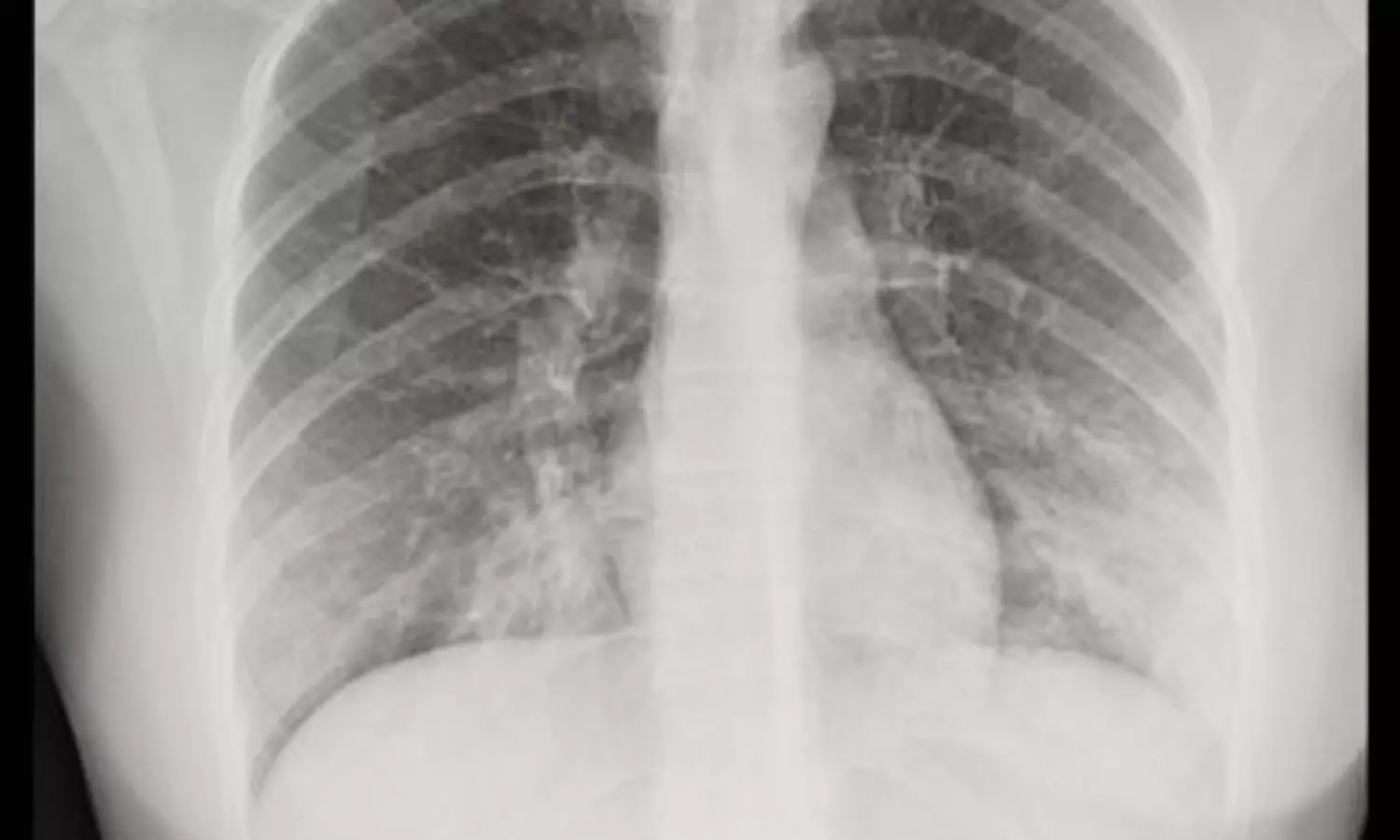


China: Levofloxacin demonstrated good clinical effectiveness in children with refractory Mycoplasma pneumoniae pneumonia (RMPP), with rapid fever resolution averaging about 2 days. Hematological parameters (WBC, neutrophils, platelets) remained stable, indicating no adverse impact on blood counts.
Biochemical markers such as AST, LDH, CK-MB, creatinine, and urea showed significant reduction after treatment, suggesting improvement in disease status without liver or kidney toxicity. The drug was well tolerated, with only mild side effects reported, and no serious adverse events or long-term complications observed during 12 months of follow-up.
These findings are from a study published in BMC Infectious Diseases by Tianhua Li and colleagues from the Department of Paediatrics at Weifang People’s Hospital Affiliated to Shandong Second Medical University. The research addresses a growing clinical challenge, as resistance of Mycoplasma pneumoniae to macrolide antibiotics has increased significantly in recent years, limiting the effectiveness of first-line therapies and prompting consideration of alternative agents such as levofloxacin.
The investigators conducted an exploratory study involving 82 pediatric patients diagnosed with RMPP who were treated with levofloxacin between November 2023 and December 2024. The aim was to evaluate both the therapeutic response and safety profile of the drug in this specific population. Clinical outcomes were assessed alongside laboratory parameters, including routine blood counts and biochemical markers, before and after treatment.
The study led to the following findings:
- Fever resolved quickly after starting levofloxacin, with an average defervescence time of around two days.
- White blood cell count, neutrophils, and platelet levels remained stable after treatment, indicating no negative effect on bone marrow function.
- Lymphocyte counts showed a slight increase but remained within normal limits.
- Alanine aminotransferase levels did not change significantly, while aspartate aminotransferase levels decreased after treatment.
- Lactate dehydrogenase and creatine kinase-MB levels showed significant reductions, indicating improvement in disease-related inflammation or tissue injury.
- Creatinine and blood urea levels decreased, suggesting preserved or improved kidney function without drug-related toxicity.
- A small number of mild adverse reactions were reported, including rash, gastrointestinal symptoms, transient neurological effects, and lower limb pain.
- No serious adverse events were observed during treatment.
- No long-term complications or sequelae were reported during the 12-month follow-up period.
Overall, the study suggests that levofloxacin may serve as an effective and relatively safe alternative in children with refractory Mycoplasma pneumoniae pneumonia, particularly in settings where resistance to standard macrolide therapy is prevalent. The authors highlight the need for further large-scale studies to confirm these findings and to better define the role of levofloxacin in pediatric respiratory infections.
Reference:
Li, T., Zhao, L., Lang, X. et al. Clinical application and safety observation of levofloxacin in children with refractory Mycoplasma pneumoniae pneumonia. BMC Infect Dis (2026). https://doi.org/10.1186/s12879-026-13433-0

Next Story